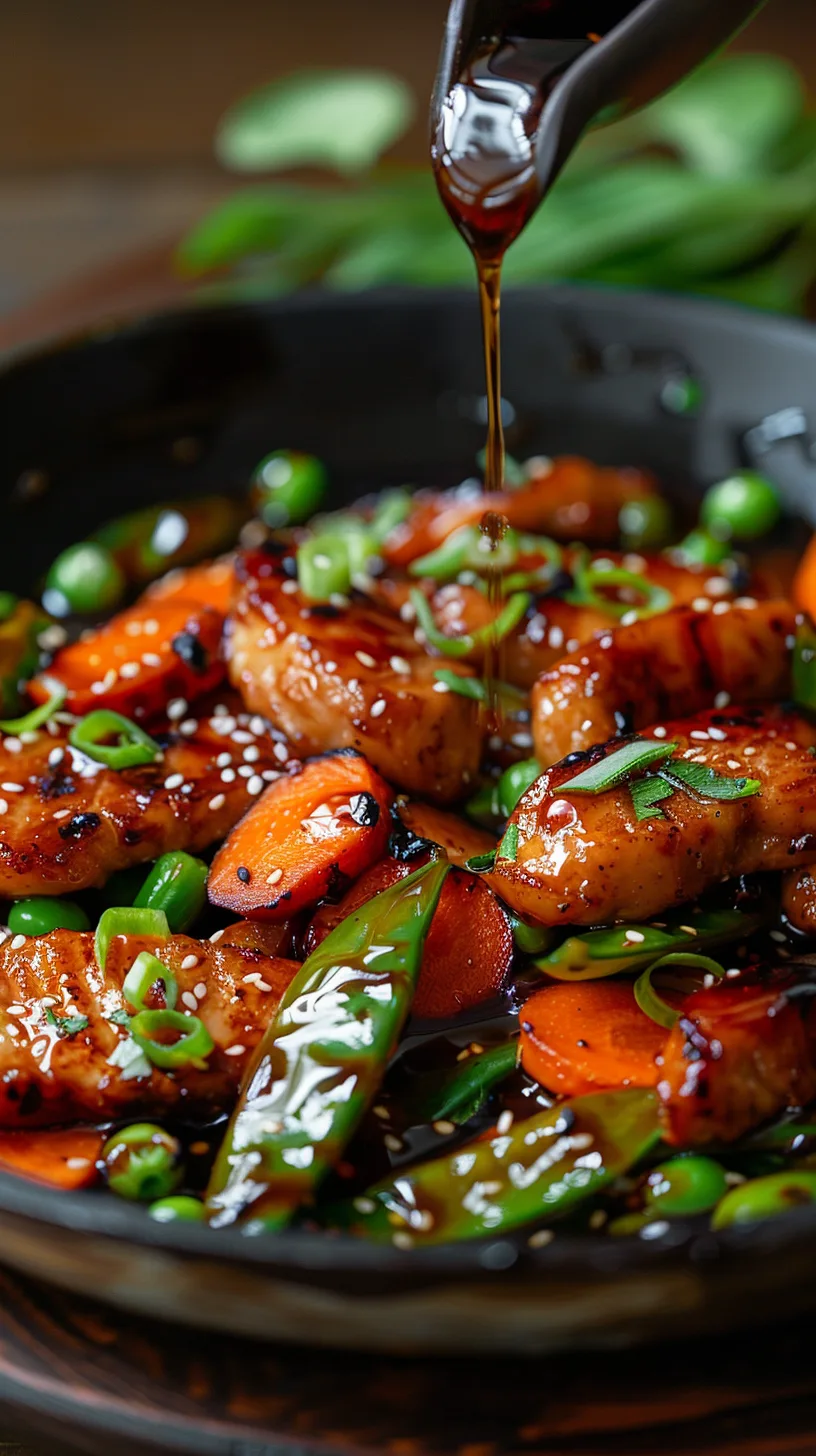
Teriyaki Carrots & Sugar Snap Peas is a nutrient-dense vegetable side dish that combines crisp-tender garden vegetables with a savory, umami-rich glaze. This vibrant recipe utilizes fresh ginger and toasted sesame oil to create a restaurant-quality finish in under twenty minutes. It serves as an excellent high-fiber accompaniment to various proteins, offering a perfect balance of natural sweetness from the carrots and a spicy kick from Korean chili flakes.
Recipe Overview
| Prep Time | Cook Time | Total Time | Servings | Difficulty | Cuisine | Category | Calories |
|---|---|---|---|---|---|---|---|
| 10 Mins | 14 Mins | 24 Mins | 4 | Easy | Asian-American | Side Dish | 145 kcal |
Why This Recipe Works
This recipe succeeds because it prioritizes the structural integrity of the vegetables through a staged cooking process. By starting with the denser carrots and adding the delicate snap peas later, you ensure every bite maintains a satisfying crunch without becoming mushy or waterlogged. The high-heat sear in sesame oil provides a nutty foundation that complements the natural sugars found in the carrots.
The use of a soy-free teriyaki sauce makes this dish accessible to those with dietary restrictions while maintaining a deep, caramelized flavor profile. I find that the addition of Gochugaru adds a complex, smoky heat that cuts through the sweetness of the glaze. This combination of textures and flavors appeals to both seasoned foodies and picky eaters who typically shy away from plain steamed vegetables.
Ingredients
| Ingredient | Quantity | Purpose | Substitutions |
|---|---|---|---|
| Large Carrots | 6 Whole | Provides bulk and sweetness | Parsnips or sweet potatoes |
| Sugar Snap Peas | 8 oz | Adds crunch and bright color | Snow peas or broccoli florets |
| Green Onions | 4 pieces | Sharp, aromatic garnish | Chives or shallots |
| Sesame Oil | 2 Tbsp | Fat source and nutty aroma | Avocado oil plus sesame seeds |
| Soy-Free Teriyaki Sauce | 1/4 cup | Primary seasoning and glaze | Coconut aminos and honey |
| Fresh Ginger Root | 1 tsp | Zesty, bright top note | 1/4 tsp dried ground ginger |
| Sesame Seeds | 1 Tbsp | Textural finish | Crushed peanuts or cashews |
| Gochugaru | 1 tsp | Smoky, moderate heat | Red pepper flakes (use half) |
| Sea Salt | 1 pinch | Enhances natural flavors | Omit if sauce is very salty |
Step-by-Step Instructions
Vegetable Preparation
- Peel the carrots and slice them on a sharp bias into thin, oval coins about one-eighth inch thick.
- Wash the snap peas and remove the tough string from the side if necessary.
- Slice the green onions into thin rounds, separating the white parts from the green tops.
Stir-Fry and Glaze
- Heat the sesame oil in a large skillet or wok over medium-high heat until it begins to shimmer.
- Add the sliced carrots to the pan and cook for 3 minutes, stirring occasionally to ensure even browning.
- Toss in the snap peas and continue to cook for another 3 minutes until they turn a vibrant green.
- Stir in the teriyaki sauce, Gochugaru chili flakes, minced ginger, and the white parts of the sliced onions.
- Cook for approximately 5 to 8 minutes while stirring frequently to prevent the sauce from burning.
- Observe the liquid as it begins to evaporate and the vegetables start to develop a darker, caramelized exterior.
- Sprinkle the toasted sesame seeds and remaining green onion tops over the mixture before serving.
Chef Tips for Perfect Results
- Ensure your skillet is fully preheated before adding oil to prevent the vegetables from sticking or steaming.
- Cut the carrots into uniform thicknesses so they cook at the same rate and reach doneness simultaneously.
- Dry your vegetables thoroughly after washing because excess water will dilute the teriyaki glaze and prevent proper browning.
- Use a high-quality toasted sesame oil rather than a light refined version for the most authentic and robust aroma.
- Monitor the temperature closely once the sugar-rich teriyaki sauce is added to avoid a bitter, charred flavor.
Common Mistakes to Avoid
Overcrowding the pan is the most frequent error which leads to the vegetables steaming in their own moisture rather than searing. If you are doubling the recipe, work in batches to maintain high heat and achieve that signature caramelization. Another mistake is adding the ginger too early, which causes the delicate aromatics to burn and become acrid before the vegetables are tender.
Avoid overcooking the snap peas as they should retain a distinct snap rather than becoming soft or grayish. If the sauce thickens too quickly before the carrots are tender, add a tablespoon of water to loosen the glaze. Lastly, skipping the salt seasoning entirely can result in a flat flavor profile even with the presence of soy-based sauces.
Variations and Substitutions
| Ingredient | Substitution | Flavor Impact | Best Use |
|---|---|---|---|
| Snap Peas | Broccoli Florets | Earthier, absorbs more sauce | Low-carb meal prep |
| Gochugaru | Sriracha | Vinegary, sharper heat | Spicy stir-fry fans |
| Carrots | Sliced Bell Peppers | Fruity, softer texture | Quick high-heat sauté |
| Sesame Oil | Coconut Oil | Lightly sweet, tropical | Paleo-focused diets |
Serving Suggestions and Pairings
Serve these teriyaki vegetables alongside a bowl of steamed jasmine rice or fluffy quinoa to soak up the extra glaze. For a complete meal, pair the dish with grilled salmon or pan-seared chicken breast seasoned with garlic and black pepper. You can also visit authority sites like Cooking Light for more inspiration on healthy protein pairings. If you prefer a vegetarian feast, serve these carrots alongside crispy tofu triangles and a side of smacked cucumber salad.
Storage and Reheating
| Method | Duration | Instructions | Best Result |
|---|---|---|---|
| Refrigerator | 3-4 Days | Store in an airtight glass container | Retains flavor well |
| Freezer | Not Recommended | Vegetables become mushy upon thawing | N/A |
| Microwave | 1-2 Minutes | Cover with a damp paper towel | Quick lunch option |
| Stovetop | 3-5 Minutes | Reheat in a dry skillet over medium | Restores crisp edges |
Nutritional Information
| Nutrient | Amount per Serving |
|---|---|
| Calories | 145 kcal |
| Total Fat | 8g |
| Sodium | 420mg |
| Total Carbohydrates | 16g |
| Dietary Fiber | 4g |
| Sugars | 9g |
| Protein | 3g |
Approximate values.
Frequently Asked Questions
Can I use frozen vegetables for this recipe?
Frozen vegetables are not ideal for this specific preparation because they release too much water during the thawing process. Fresh carrots and snap peas provide the necessary structural integrity for the high-heat caramelization required in this dish. If you must use frozen, thaw and pat them completely dry before beginning the stir-fry process.
How do I know when the carrots are fully cooked?
The carrots are finished when they are tender enough to be pierced with a fork but still offer a slight resistance. They should transition from a matte orange to a glossy, translucent appearance as the heat breaks down the cellular structure. Avoid cooking them until they are limp, as they will continue to soften slightly after being removed from the heat.
What is a good substitute for Gochugaru if I cannot find it?
Aleppo pepper or a mixture of red chili flakes and a pinch of smoked paprika serves as a suitable replacement. Gochugaru provides a specific fruitiness and mild heat that is characteristic of Korean cuisine, but standard red pepper flakes will suffice for heat. Start with half the amount of standard flakes as they are often more pungent than Gochugaru.
Can this dish be made ahead of time for meal prep?
This recipe holds up exceptionally well for meal prep and can be stored for several days in the refrigerator. To maintain the best texture, slightly undercook the vegetables by one minute so they do not become mushy when reheated. The flavors often deepen overnight as the ginger and teriyaki permeate the carrots.
Is this recipe gluten-free and soy-free?
The recipe is naturally soy-free and gluten-free provided you use a teriyaki sauce made from coconut aminos rather than traditional soy sauce. Always check the labels on your bottled sauces to ensure no hidden wheat thickeners or soy derivatives are present. For additional dietary guidance, check resources like Healthline regarding thyroid-friendly vegetable preparations.
Conclusion
Mastering a quick and flavorful side dish like Teriyaki Carrots & Sugar Snap Peas is a game-changer for busy weeknight cooking. This recipe provides a sophisticated combination of textures and heat that elevates standard produce into a memorable culinary experience. By following the staged cooking method, you ensure every vegetable retains its peak flavor and crunch. Once you taste the balance of caramelized glaze and fresh ginger, this will surely become a recurring favorite in your kitchen rotation. Enjoy the irresistible harmony of sweet sesame and smoky chili in every bite.
PrintTeriyaki Carrots & Sugar Snap Peas: Healthy 20-Minute Side
A vibrant Asian-American side dish featuring seared carrots and snap peas glazed with soy-free teriyaki. Bright ginger, nutty sesame oil, and smoky Gochugaru create a savory-sweet profile with a satisfying crunch.
- Prep Time: 10
- Cook Time: 14
- Total Time: 24
- Yield: 4 servings
- Category: Dinner
- Method: Stir Fry
- Cuisine: Asian-American
- Diet: Vegetarian
Ingredients
6 large carrots
8 oz sugar snap peas
4 green onions
2 Tbsp sesame oil
1/4 cup soy-free teriyaki sauce
1 tsp fresh ginger root
1 Tbsp sesame seeds
1 tsp Gochugaru
Instructions
Peel carrots and cut into 2-inch diagonal slices
Heat 1 Tbsp sesame oil in a large skillet over medium-high heat
Sear carrots for 6-7 minutes, stirring occasionally, until slightly softened
Toss in snap peas, remaining 1 Tbsp sesame oil, and Gochugaru; stir fry 3-4 minutes until snap peas are bright green
Mix in teriyaki sauce and fresh ginger; cook 2 more minutes until glazed
Sprinkle roasted sesame seeds and chopped green onions before serving
Notes
For thicker glaze: reduce teriyaki sauce mixture by 1 minute
Substitute snow peas for lower water content
Store leftovers in an airtight container for up to 3 days