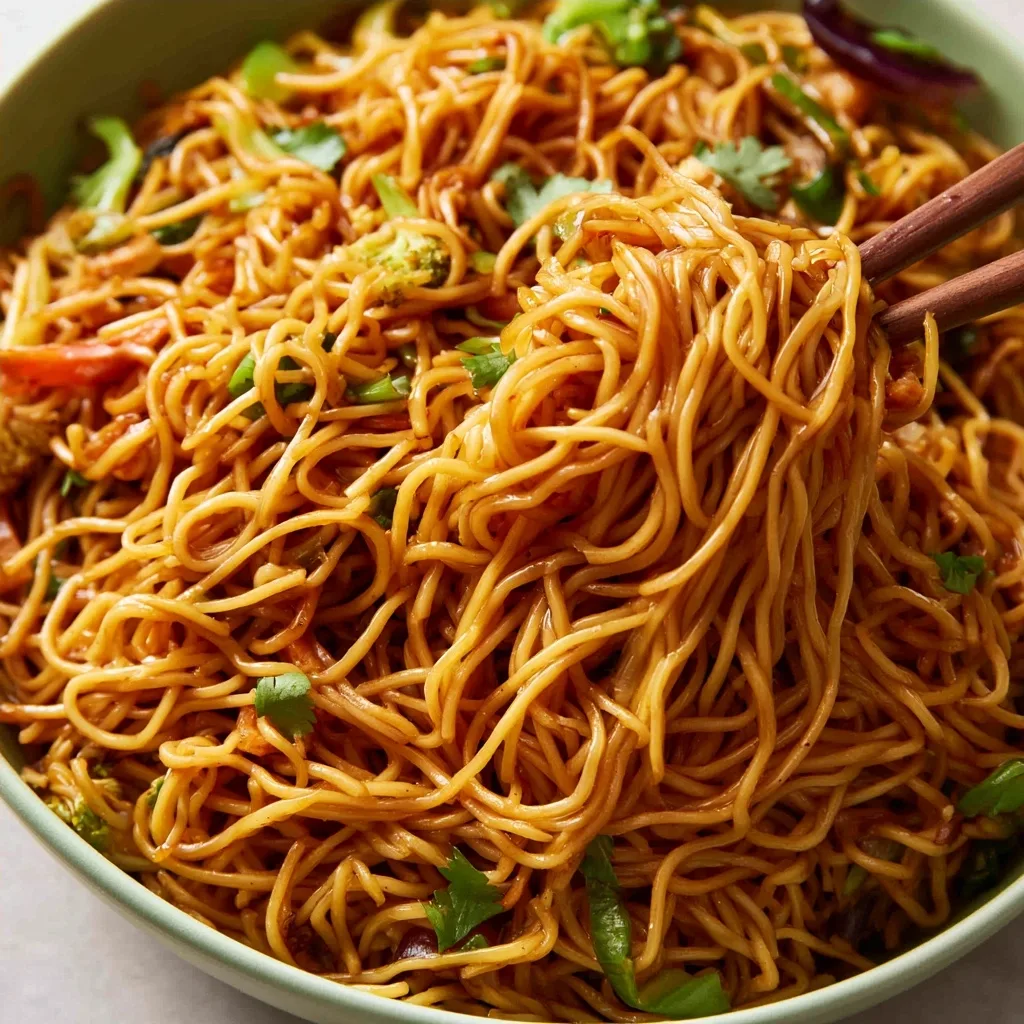
Panda Express Chow Mein is the quintessential side dish that features springy noodles, crisp cabbage, and crunchy celery tossed in a savory, umami-rich sauce. Mastering this takeout favorite at home allows you to control the quality of ingredients while perfectly replicating that signature restaurant taste. This recipe focuses on precise heat management and timing to ensure your noodles maintain their ideal texture without becoming mushy. With the right technique, you can produce a restaurant-quality meal in your own kitchen in under twenty minutes.
Recipe Overview
| Prep Time | Cook Time | Total Time | Servings | Difficulty | Cuisine | Category | Calories |
|---|---|---|---|---|---|---|---|
| 10 min | 10 min | 20 min | 4 | Easy | American-Chinese | Side Dish | 320 |
Why This Recipe Works
This recipe works because it prioritizes the texture of the noodles and the crunch of the aromatics through a quick blanching and high-heat stir-fry process. By avoiding overcooking the vegetables, we maintain the fresh bite that makes the original dish so appealing to diners. The sauce balance provides a deep, savory foundation that clings to the noodles without creating excessive liquid in the pan.
Home cooks often struggle with the stickiness of stir-fry noodles, but this method uses a specific blanching technique to loosen the strands perfectly. You will achieve a restaurant-style flavor profile by emulsifying the sauce with a touch of cornstarch and aromatics. This approach ensures a glossy finish and a depth of flavor that mimics the professional gas-range cooking used in Panda Express kitchens.
Ingredients
| Ingredient | Quantity | Purpose | Substitutions |
|---|---|---|---|
| Chow Mein Noodles | 1 lb | Base of the dish | Lo mein or fresh ramen |
| Green Cabbage | 2 cups | Texture and bulk | Napa cabbage |
| Celery | 1 cup | Crunch and flavor | Bok choy stalks |
| Yellow Onion | 1 small | Aromatic base | Shallots |
| Soy Sauce | 2 tbsp | Salt and color | Tamari |
| Dark Soy Sauce | 0.5 tbsp | Rich dark color | Molasses with soy |
| Oyster Sauce | 2 tbsp | Umami and depth | Vegetarian mushroom sauce |
| Sesame Oil | 1 tbsp | Nutty aroma | Toasted walnut oil |
| Garlic | 2 cloves | Pungent base | Garlic powder |
| Chicken Stock | 0.25 cup | Sauce binder | Vegetable broth |
| Cornstarch | 0.5 tbsp | Thickening agent | Potato starch |
Step-by-Step Instructions
Sauce Preparation
- In a small bowl, whisk together the soy sauce, dark soy sauce, oyster sauce, sesame oil, minced garlic, chicken stock, and cornstarch.
- Ensure the cornstarch is completely dissolved to avoid lumps in your final sauce.
Stir-Fry Process
- Bring a large pot of water to a boil over medium-high heat.
- Blanch the fresh chow mein noodles for 20 to 30 seconds until they loosen.
- Strain the noodles immediately in a colander, shaking off excess water, but do not rinse them.
- Heat 1 tablespoon of vegetable oil in a large wok or skillet over high heat.
- Stir-fry the cabbage, celery, and onions for about 1 minute until they begin to soften but remain crisp.
- Push the vegetables to the edges of the pan to create a well in the center.
- Pour the remaining oil and the prepared noodles into the center of the pan.
- Pour the sauce mixture over the noodles and toss everything vigorously for 2 minutes.
- Remove from heat once the sauce has thickened and coated every strand.
Chef Tips for Perfect Results
- Always use high-heat settings to create a slight sear on the cabbage, which adds a smoky character reminiscent of commercial stir-fry kitchens.
- Do not overcook the noodles during the blanching stage; they will continue to soften during the final toss with the sauce.
- Keep your vegetables sliced to a uniform thickness so they cook evenly throughout the stir-fry process.
- Use a large wok or a wide, heavy-bottomed skillet to ensure the noodles have enough space to distribute the sauce evenly.
- If your sauce is too thin, stir it before adding it to the pan because the cornstarch tends to settle at the bottom.
Common Mistakes to Avoid
- Overcrowding the pan prevents the vegetables from searing and leads to steamed, limp greens.
- Rinsing the noodles after blanching removes the natural starches necessary for the sauce to cling properly to the strands.
- Using cold ingredients can drop the pan temperature too quickly; ensure all components are prepped and ready before you start cooking.
- Skipping the dark soy sauce will significantly impact the look of the dish, as it provides the iconic deep brown color of authentic chow mein.
Variations and Substitutions
| Ingredient | Substitution | Flavor Impact | Best Use |
|---|---|---|---|
| Chicken Stock | Vegetable Broth | Lighter flavor | Vegan version |
| Oyster Sauce | Vegetarian Mushroom Sauce | Earthier umami | Allergy-friendly |
| Yellow Onion | Scallions | Milder bite | Garnish focus |
Serving Suggestions and Pairings
Serve this chow mein as a hearty side dish alongside orange chicken or beef and broccoli for a complete takeout experience at home. A refreshing cucumber salad or a side of steamed edamame helps cut through the richness of the stir-fry sauce. For a balanced meal, include a protein-packed dish and a light soup, adhering to classic American-Chinese menu structures. Keep the focus on the freshness of the stir-fry by serving immediately while the noodles are hot.
Storage and Reheating
| Method | Duration | Instructions | Best Result |
|---|---|---|---|
| Fridge | 3 days | Store in airtight container | Microwave with splash of water |
| Freezer | 1 month | Freeze in portion bags | Thaw overnight before heating |
Nutritional Information
| Nutrient | Amount per Serving |
|---|---|
| Calories | 320 |
| Protein | 9g |
| Fat | 8g |
| Carbohydrates | 52g |
| Fiber | 3g |
Approximate values. These estimates are based on standard ingredient types and should be viewed as general guidance for your dietary planning.
Frequently Asked Questions
Can I use dried noodles?
Yes, but you must boil dried noodles according to package instructions until al dente before following the stir-fry process. Fresh noodles yield the best texture, but dried options are a suitable pantry staple.
How do I stop the noodles from sticking?
Ensure your pan is sufficiently hot before adding the oil and noodles. Tossing the noodles immediately after adding the sauce helps prevent them from clumping together in the pan.
Why is my chow mein soggy?
Soggy noodles usually result from blanching the noodles for too long or adding too much liquid to the pan. Drain the noodles very thoroughly before adding them to the stir-fry.
Can I make this dish ahead of time?
Yes, you can prep the sauce and chop the vegetables in advance to speed up the cooking process. However, the stir-fry should be completed fresh to maintain the texture of the vegetables.
Is this dish gluten-free?
Standard soy sauce and oyster sauce contain wheat-based ingredients, so this version is not gluten-free. Substitute with gluten-free tamari and a gluten-free oyster-style mushroom sauce to accommodate dietary needs.
Creating this version of Panda Express Chow Mein at home is a rewarding way to elevate your weeknight dinner rotation. By mastering the balance of savory oils and fresh vegetables, you bring the signature takeout flavor right to your table. Enjoy the crisp texture of the cabbage paired with the perfectly coated, chewy noodles in every delicious mouthful.
PrintPanda Express Style Chow Mein
Recreate the iconic Panda Express Chow Mein at home with this quick and easy recipe. Featuring springy noodles, crisp cabbage, and crunchy celery, all tossed in a savory umami-rich sauce. Using precise heat management and a simple blanching trick, this dish achieves that perfect takeout texture and glossy finish in under twenty minutes without any pork or alcohol-based ingredients.
- Prep Time: 10
- Cook Time: 10
- Total Time: 20
- Yield: 4 servings
- Category: Dinner
- Method: Stir-fry
- Cuisine: American-Chinese
- Diet: Halal
Ingredients
1 lb Chow mein noodles
2 cups Green cabbage, shredded
1 cup Celery, sliced thin
1 small Yellow onion, sliced
2 cloves Garlic, minced
2 tbsp Soy sauce
0.5 tbsp Dark soy sauce
2 tbsp Oyster sauce (or vegetarian mushroom sauce)
1 tbsp Sesame oil
0.25 cup Chicken stock (or vegetable broth)
0.5 tbsp Cornstarch
Instructions
In a small bowl, whisk together soy sauce, dark soy sauce, oyster sauce, sesame oil, chicken stock, and cornstarch until smooth.
Blanch the chow mein noodles in boiling water for 1-2 minutes until just tender, drain, and set aside.
Heat a large wok or skillet over high heat with a tablespoon of oil.
Add the onions, celery, and garlic, stir-frying for 1 minute until fragrant.
Add the shredded cabbage and continue to stir-fry until slightly softened but still crisp.
Add the blanched noodles to the pan and pour the prepared sauce over the mixture.
Toss everything together quickly over high heat for 1-2 minutes until the sauce has thickened and coated the noodles evenly.
Serve immediately while steaming hot.
Notes
Ensure your wok is very hot to achieve a true stir-fry flavor. Do not overcook the noodles during the blanching stage, or they will turn mushy when fried. Swap vegetable broth for chicken stock to make this entirely vegetarian.