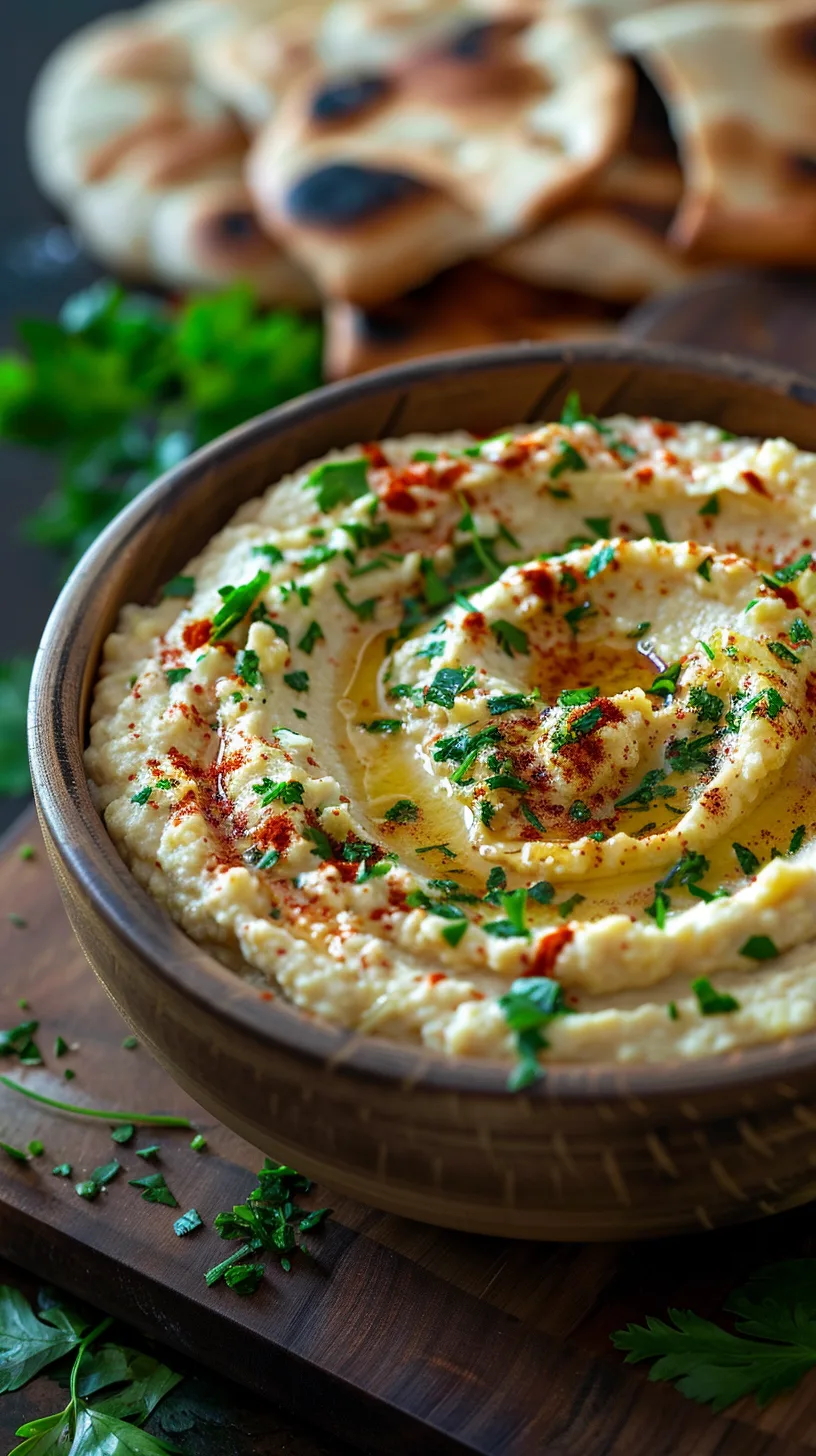
Cauliflower hummus is a creamy, plant-based dip made from roasted florets and traditional Mediterranean aromatics that serves as a nutrient-dense alternative to chickpea spreads. This cauliflower hummus provides a velvety texture and rich, nutty flavor profile while significantly reducing the carbohydrate count of your appetizer platter. By roasting the vegetables before blending, we unlock deep caramelization that transforms humble frozen florets into an elegant and satisfying snack for health-conscious diners.
Recipe Overview
| Prep Time | 10 Minutes |
| Cook Time | 45 Minutes |
| Total Time | 55 Minutes |
| Servings | 6 Servings |
| Difficulty | Beginner |
| Cuisine | Middle Eastern Inspired |
| Category | Appetizer / Snack |
| Calories | 185 kcal per serving |
Why This Recipe Works
This recipe succeeds because roasting the cauliflower and onions removes excess moisture while intensifying their natural sugars. Frozen cauliflower often carries a high water content, but the high-heat oven treatment ensures the final spread is thick rather than watery. I find that using frozen florets actually saves significant preparation time without sacrificing the quality of the final emulsion.
The inclusion of a whole head of roasted garlic introduces a mellow, buttery sweetness that raw garlic simply cannot provide. This technique rounds out the sharp acidity of the lemon juice and the earthy bitterness of the tahini. It results in a sophisticated dip that appeals to both keto enthusiasts and traditional hummus lovers who appreciate complex flavor layers.
Ingredients
| Ingredient | Quantity | Purpose | Substitutions |
|---|---|---|---|
| Frozen Cauliflower Florets | 20 oz | The main base and bulk of the dip. | Fresh cauliflower florets. |
| Head of Garlic | 1 Whole | Provides a sweet, roasted aromatic base. | 2 tbsp roasted garlic paste. |
| Medium Onion | 1 Sliced | Adds savory depth and sweetness. | Shallots for a milder taste. |
| Olive Oil | 2 tsp | Coats vegetables for even roasting. | Avocado oil or grapeseed oil. |
| Salt & Black Pepper | 1/2 tsp & 1/4 tsp | Enhances all the natural flavors. | Sea salt or white pepper. |
| Tahini | 1/3 cup | Adds creaminess and nutty richness. | Sunflower seed butter (nut-free). |
| Lemon Juice | 2 tbsp | Provides essential brightness and acidity. | Lime juice or white vinegar. |
| Extra Virgin Olive Oil | For garnish | Adds a silky finish for serving. | Flavored chili oil. |
Step-by-Step Instructions
Phase 1: Roasting the Vegetables
- Preheat your oven to 400°F and line a large rimmed baking sheet with parchment paper to prevent sticking.
- Combine the frozen cauliflower florets, olive oil, salt, and pepper in a large mixing bowl.
- Toss the mixture thoroughly to ensure every floret is evenly coated with the oil and seasoning.
- Slice the head of garlic in half horizontally, exposing the cloves, and drizzle the cut side with a drop of oil.
- Place the garlic halves cut side down on the parchment paper to allow for direct caramelization.
- Spread the seasoned cauliflower and sliced onions across the remaining space on the baking sheet in a single layer.
- Bake the vegetables for 45 minutes or until the cauliflower becomes tender and develops golden-brown edges.
- Remove the tray from the oven and allow the vegetables to cool for about five to ten minutes before handling.
Phase 2: Blending and Emulsifying
- Squeeze the softened roasted garlic cloves out of their skins directly into the bowl of a food processor.
- Add the roasted cauliflower florets and caramelized onions to the processor along with the tahini and lemon juice.
- Process the mixture on high speed until the texture becomes creamy and completely smooth.
- Add water one tablespoon at a time if the hummus appears too thick or grainy until you reach your desired consistency.
- Taste the mixture and add more salt or lemon juice if necessary to balance the richness of the tahini.
- Transfer the finished spread to a container and refrigerate until the flavors meld and the dip is thoroughly chilled.
- Top the chilled hummus with pomegranate molasses, dukkah, fresh herbs, and chopped vegetables before serving.
Chef Tips for Perfect Results
- Ensure the oven is fully preheated to 400°F before the vegetables go in to encourage immediate browning rather than steaming.
- Use a high-quality tahini that is runny and well-stirred, as the bottom of the jar can often be too dry for smooth blending.
- Do not rush the roasting process because those charred, brown spots on the cauliflower provide the most significant flavor impact.
- Process the cauliflower while it is still slightly warm to help the tahini and oils emulsify into a lighter, fluffier texture.
- Always use fresh lemon juice rather than bottled concentrate to maintain a clean, vibrant citrus note that cuts through the fat.
Common Mistakes to Avoid
Using a food processor that is too small can lead to uneven blending and a chunky texture. Use a standard 7-cup or larger processor to allow enough room for the ingredients to circulate freely. If you find chunks remaining, stop the machine and scrape down the sides with a spatula frequently.
Squeezing the garlic cloves while they are piping hot can cause burns and makes the process difficult. Wait until the garlic is cool enough to handle comfortably so you can extract all the softened cloves without mess. Overcrowding the baking sheet is another error that leads to soggy cauliflower; use two sheets if necessary for a single layer.
Ignoring the resting period in the fridge can result in a dip that feels a bit muted. Chilling the hummus for at least an hour allows the roasted garlic and tahini to fully integrate. Finally, adding too much water too quickly can ruin the body of the dip, so always measure by the tablespoon.
Variations and Substitutions
| Ingredient | Substitution | Flavor Impact | Best Use |
|---|---|---|---|
| Tahini | Almond Butter | Bolder, nuttier profile. | Paleo preparations. |
| Roast Garlic | Roasted Red Pepper | Sweet, smoky, and vibrant. | Color-focused platters. |
| Lemon Juice | Apple Cider Vinegar | Tangy with fruity undertones. | When lemons are unavailable. |
| Pomegranate Molasses | Balsamic Glaze | Sweet and syrupy acidity. | Modern fusion salads. |
Serving Suggestions and Pairings
This roasted cauliflower spread serves as a versatile anchor for any Mediterranean-style mezze platter. Pair it with warm pita bread or crunchy seed crackers for a traditional dipping experience that satisfies different textures. For a lower-carb option, serve it alongside raw cucumber spears, bell pepper strips, and blanched green beans.
You can also use this hummus as a flavorful base for a grain bowl topped with grilled lamb or roasted chicken. It works exceptionally well as a sandwich spread in place of mayonnaise to add moisture and nutrients to wraps. For a drink pairing, consider a chilled sparkling water infused with mint and cucumber to cleanse the palate between bites.
Storage and Reheating
| Method | Duration | Instructions | Best Result |
|---|---|---|---|
| Refrigeration | 4 to 5 Days | Store in an airtight glass container with a thin layer of oil on top. | Best for daily snacking. |
| Freezing | Up to 3 Months | Place in a freezer-safe bag with excess air removed. | Acceptable, but texture might change. |
| Thawing | Overnight | Move from freezer to fridge 24 hours before you plan to eat. | Brings back the creamy texture. |
| Refreshing | 1 Minute | Add a splash of water and whisk vigorously to restore silkiness. | Restores “day-one” quality. |
Nutritional Information
| Nutrient | Amount per Serving |
|---|---|
| Calories | 185 kcal |
| Total Fat | 14g |
| Sodium | 220mg |
| Total Carbohydrates | 12g |
| Dietary Fiber | 5g |
| Protein | 6g |
Approximate values based on standard USDA data for the listed ingredients.
Frequently Asked Questions
Can I use fresh cauliflower instead of frozen for this recipe?
Yes, fresh cauliflower works perfectly and typically requires about the same roasting time as the frozen variety. Simply cut one large head into small florets and follow the same seasoning and roasting instructions provided in the guide.
What is the best way to fix a grainy hummus texture?
Graininess usually occurs if the cauliflower isn’t roasted long enough or if the tahini is too thick. Add a tablespoon of ice-cold water or more olive oil while the food processor is running to help the emulsion smooth out.
How do I store the leftovers for the best taste?
Store the hummus in an airtight container in the refrigerator and keep the garnishes separate until you are ready to serve. This prevents the fresh vegetables and pomegranate molasses from bleeding into the spread over time.
Is pomegranate molasses necessary for the final dish?
While not strictly necessary for the structural integrity of the recipe, pomegranate molasses provides a sour-sweet contrast that elevates the roasted flavors. If you do not have it, a small drizzle of aged balsamic vinegar can offer a similar complexity.
Can I make this cauliflower hummus ahead of time for a party?
This is an excellent make-ahead dish as the flavors develop and deepen after 24 hours in the refrigerator. Simply stir it well before serving and add fresh garnishes at the last minute to ensure the presentation remains vibrant.
Conclusion
This cauliflower hummus represents a thoughtful evolution of the traditional chickpea dip by focusing on the deep, caramelized notes of roasted vegetables. It provides a satisfyingly smooth texture and a sophisticated flavor profile that fits perfectly into modern American kitchens looking for lower-carb alternatives. Whether you are hosting a formal gathering or preparing a simple weekday snack, this recipe offers a nutritional boost without sacrificing culinary excellence. Experience the rich harmony of buttery roasted garlic and nutty tahini in every savory, vegetable-packed bite.
PrintCauliflower Hummus: A Roasted Low-Carb Dip Recipe
A creamy, plant-based dip made from roasted cauliflower and Mediterranean aromatics. This velvety, low-carb hummus alternative uses caramelized roasted vegetables and tahini for a rich, nutty flavor, perfect for keto diets and health-conscious diners.
- Prep Time: 10
- Cook Time: 45
- Total Time: 55
- Yield: 6 servings
- Category: Dinner
- Method: Roasting/Blending
- Cuisine: Middle Eastern Inspired
- Diet: Vegetarian
Ingredients
20 oz frozen cauliflower florets (about 2.5 cups)
1 whole head of garlic
1 medium onion, sliced
2 tsp olive oil
1/2 tsp salt
1/4 tsp black pepper
1/3 cup tahini
2 tbsp lemon juice
Extra virgin olive oil (for garnish)
Instructions
Preheat oven to 475°F (250°C)
In a bowl, toss cauliflower and onion with olive oil, salt, and black pepper
Spread on a baking sheet and roast for 35 minutes until caramelized
While roasting, prepare roasted garlic by cutting top of head and roasting on same sheet
In a food processor, combine roasted cauliflower, onion, garlic, tahini, and lemon juice
Blend until smooth, adjusting consistency with additional olive oil or water if needed
Transfer to serving bowl, drizzle with extra virgin olive oil, and season with salt if desired
Notes
Frozen cauliflower saves prep time but fresh works if blanched first
Add paprika or sunflower seeds for garnish
Store in airtight container for up to 3 days
For nut-free version, substitute tahini with sunflower seed butter