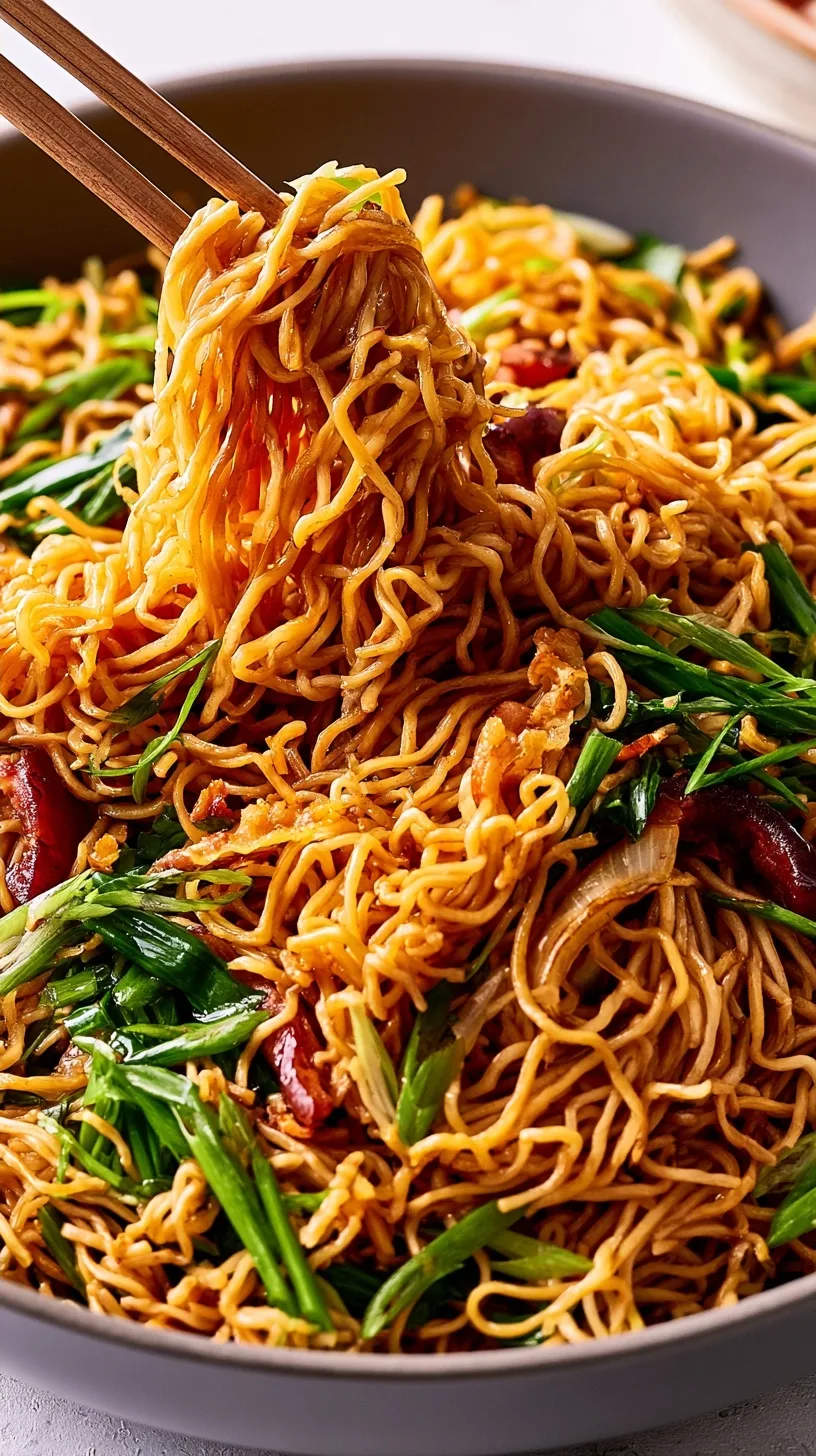
Cantonese Chow Mein is a hallmark of Hong Kong cuisine defined by thin, golden egg noodles that are pan-fried until crispy on the outside while remaining tender within. This specific Cantonese Chow Mein preparation focuses on the delicate balance of a savory soy-based sauce and the refreshing crunch of fresh bean sprouts and scallions. Unlike soft lo mein, this dish prioritizes texture through a high-heat searing process that creates a signature bird’s nest appearance. It is a staple of traditional dim sum houses and a favorite for those seeking a quick, professional-grade vegetarian meal at home.
Recipe Overview
| Prep Time | Cook Time | Total Time | Servings | Difficulty | Cuisine | Category | Calories |
|---|---|---|---|---|---|---|---|
| 10 Minutes | 10 Minutes | 20 Minutes | 2 Servings | Intermediate | Cantonese | Main Course | 485 kcal |
Why This Recipe Works
This Cantonese Chow Mein recipe achieves restaurant-quality results by utilizing the dry-fry technique which ensures your noodles never turn soggy or greasy. My approach focuses on layering flavors by searing the aromatics and noodles separately to maintain distinct textures and deep umami profiles. By using specific thin, Hong Kong-style egg noodles, we allow for maximum surface area contact with the wok, resulting in that coveted smoky flavor often called wok hei.
American home cooks will appreciate this recipe because it uses accessible pantry staples to create an authentic flavor profile without requiring specialized equipment. The combination of dark and regular soy sauces provides both a rich mahogany color and a complex salty-sweet baseline. It is a versatile base that works perfectly as a standalone lunch or as a side dish for a larger multi-course Chinese dinner.
Efficiency is another key factor that makes this recipe a winner for busy weeknights. The entire cooking process takes less than ten minutes once your mise en place is prepared, making it faster than ordering takeout. Because we avoid heavy meats and thick cornstarch slurries, the final dish feels light, vibrant, and incredibly satisfying.
Ingredients
| Ingredient | Quantity | Purpose | Substitutions |
|---|---|---|---|
| Thin Fresh Egg Noodles | 12 oz | Structural base and provide crunch | Steamed yakisoba noodles |
| Yellow Onion | 1/2 small | Provides sweetness and aroma | Shallots or white onion |
| Green Onions | 5 stalks | Adds onion bite and fresh color | Chives or garlic scapes |
| Bean Sprouts | 2 cups | Provides essential crunch and volume | Sliced cabbage or snow peas |
| Corn Oil | 3 tbsp | High smoke point frying medium | Grapeseed or avocado oil |
| Dark Soy Sauce | 2 tbsp | Adds deep color and caramel notes | Extra regular soy with molasses |
| Regular Soy Sauce | 1 tbsp | Provides salinity and savory depth | Tamari for gluten-free needs |
| Oyster Sauce | 1 tablespoon | Adds savory umami and body | Vegetarian mushroom sauce |
| Fish Sauce | 1/2 tsp | Boosts complexity and funk | Salt or vegan fish sauce |
| Granulated Sugar | 1 tbsp | Balances the saltiness of the soy | Honey or brown sugar |
| Sesame Oil | 1 tsp | Finishing aromatic oil | Toasted sesame seeds |
Step-by-Step Instructions
Phase 1: Noodle Preparation
- Place your fresh Hong Kong-style noodles into a large heat-proof bowl.
- Pour boiling water over the noodles and let them soak for 30 to 60 seconds until they are just softened.
- Drain the noodles immediately into a colander and shake off all excess moisture.
- Spread the noodles out on a tray to air dry slightly while you prepare the sauce.
Phase 2: The Stir Fry Sauce
- Combine the dark soy sauce, regular soy sauce, oyster sauce, fish sauce, sugar, and water in a small mixing bowl.
- Whisk the mixture thoroughly until the sugar has completely dissolved into the liquid.
Phase 3: Searing Aromatics
- Heat one tablespoon of corn oil in a well-seasoned wok or large non-stick skillet over medium-high heat.
- Add the sliced yellow onions and the white parts of the green onions to the hot oil.
- Sauté for approximately 1 minute until the onions are translucent and fragrant, then remove them from the pan.
Phase 4: Achieving the Perfect Crisp
- Wipe the wok clean and add another tablespoon of corn oil, heating for 2 minutes until shimmering.
- Add the noodles and spread them into an even, thin layer across the bottom and sides of the pan.
- Press down slightly and sear for 2 minutes without moving them to develop a golden crust.
- Flip the noodle cake over carefully and drizzle the final tablespoon of oil around the edges.
- Cook for an additional 2 minutes until both sides are delightfully crispy and browned.
Phase 5: The Final Assembly
- Return the sautéed onions and the reserved green parts of the scallions to the wok.
- Add the fresh bean sprouts and pour the prepared sauce over the entire mixture.
- Toss everything gently for 1 to 2 minutes using tongs to ensure even coating without breaking the noodles.
- Turn off the heat, drizzle with sesame oil, and serve the Cantonese Chow Mein immediately while hot.
Chef Tips for Perfect Results
- Always dry your noodles thoroughly after soaking because excess water will steam the noodles instead of frying them.
- Use a cast iron wok or a heavy-bottomed carbon steel pan to maintain the consistent high heat necessary for crisping.
- Wait for the oil to reach its smoke point before adding the noodles to prevent them from sticking to the pan surface.
- Resist the urge to stir the noodles constantly; let them sit undisturbed for the full two minutes to develop a crust.
- Add the bean sprouts at the very end of the cooking process so they retain their liquid and crunch rather than wilting into the sauce.
Common Mistakes to Avoid
Overcrowding the pan is the most frequent error, leading to steamed noodles rather than the crispy Cantonese Chow Mein texture you desire. If your wok is small, it is better to fry the noodles in two smaller batches to ensure every strand gets direct heat. Using only light soy sauce is another mistake that results in a pale, unappetizing dish lacking the complex depth provided by dark soy sauce. Failing to dissolve the sugar in the sauce before adding it to the wok can lead to grainy spots or burnt patches of sugar in your stir fry. Finally, skipping the soaking step or soaking for too long will either leave noodles brittle or turn them into a gummy mass that won’t crisp properly.
Variations and Substitutions
| Ingredient | Substitution | Flavor Impact | Best Use |
|---|---|---|---|
| Fresh Egg Noodles | Dried thin noodles | Slightly chewier texture | Pantry-friendly meals |
| Corn Oil | Beef tallow | Much richer, savory finish | Traditional Cantonese flavor |
| Sugar | Agave Nectar | Milder sweetness | Direct 1:1 replacement |
| Fish Sauce | Sea Salt | Simpler salty profile | Vegan-friendly diets |
Serving Suggestions and Pairings
Cantonese Chow Mein serves as a fantastic base for a complete Chinese-inspired feast in any American household. It pairs exceptionally well with protein-heavy dishes like Mongolian beef or honey walnut shrimp to balance the meal. For a lighter lunch, serve these crispy noodles alongside a hot bowl of wonton soup or a side of steamed bok choy. If you enjoy heat, a dollop of crispy chili oil on the side allows guests to customize their spice level. I recommend serving this dish immediately as the noodles will naturally soften the longer they sit in the sauce.
Storage and Reheating
| Method | Duration | Instructions | Best Result |
|---|---|---|---|
| Refrigerator | 3 Days | Store in an airtight container once cooled. | Good for lunches |
| Freezer | Not Suggested | Freezing ruins the noodle texture. | Avoid freezing |
| Stove Reheating | 3-5 Minutes | Re-fry in a hot skillet with a teaspoon of oil. | Best for crunch |
| Microwave | 1-2 Minutes | Heat on high with a damp paper towel on top. | Softens noodles |
Nutritional Information
| Nutrient | Amount per Serving |
|---|---|
| Calories | 485 kcal |
| Protein | 12g |
| Fat | 22g |
| Carbohydrates | 58g |
| Fiber | 4g |
| Sugar | 7g |
| Sodium | 1150mg |
Approximate values based on standard ingredients.
Frequently Asked Questions
Can I use dried noodles if I cannot find fresh Hong Kong-style noodles?
Yes, you can use dried thin egg noodles, but you must boil them until just al dente before following the frying steps. Ensure they are completely drained and patted dry to achieve the same crispy exterior as fresh noodles.
How do I stop my noodles from sticking to the wok?
The key to non-stick noodles is a combination of a very hot pan and a generous amount of oil. Make sure the oil is shimmering and coat the entire surface of the wok before the noodles make contact.
Is this dish supposed to be vegetarian?
This specific version is vegetarian-friendly if you use mushroom-based oyster sauce and omit the fish sauce. Traditionally, Cantonese Chow Mein is a flexible vegetable-forward dish that can easily accommodate added proteins like shrimp or tofu.
What is the difference between Chow Mein and Lo Mein?
Chow mein refers to fried noodles where the texture is intended to be crispy or firm, whereas lo mein translates to tossed noodles which are soft and saucy. This Cantonese version is the pinnacle of the fried noodle style.
Can I prepare the components ahead of time?
You can pre-mix the sauce and chop all your vegetables up to 24 hours in advance. However, the noodles should be fried and tossed just before serving to maintain their signature crispy texture.
Conclusion
Mastering Cantonese Chow Mein at home is a rewarding experience that brings the authentic taste of a traditional tea house directly to your kitchen. By following the double-fry method and focusing on fresh aromatics, you create a dish that is far superior to standard takeout options. This recipe offers the perfect harmony of textures with its shatteringly crisp noodles and tender, savory interior. Gather your ingredients and fire up your wok to experience the incredible depth of this classic fried noodle masterpiece tonight.
PrintCantonese Chow Mein Recipe: The Ultimate Crispy Stir-Fried Noodles
Cantonese-style chow mein features golden egg noodles pan-fried until crispy with savory soy sauce and aromatic stir-fried veggies. A light, restaurant-quality vegetarian dish ready in under 20 minutes.
- Prep Time: 10
- Cook Time: 10
- Total Time: 20
- Yield: 2 servings
- Category: Dinner
- Method: Stir-Frying
- Cuisine: Cantonese
- Diet: Vegetarian
Ingredients
12 oz thin fresh egg noodles
1/2 small yellow onion
5 stalks green onions, split (2 for chopping, 3 for slicing)
2 cups bean sprouts
3 tbsp corn oil
2 tbsp dark soy sauce
2 tbsp regular soy sauce
1 tbsp oyster sauce
1 tsp minced garlic
Pinch of salt
Instructions
Cook noodles in boiling water for 1 minute (fresh noodles), drain, and shake to remove excess moisture
Heat wok or large skillet over high heat, add corn oil
Add garlic and sauté for 30 seconds until fragrant
Add yellow onion halves, stir-fry for 2 minutes until softened
Sprinkle salt over noodles and add to the pan, toss constantly for 3 minutes until crispy
Push noodles to one side, add bean sprouts and remaining onion stalks, stir-fry for 2 minutes
Mix in soy sauces and oyster sauce, stir-fry until noodles are coated and sprouts are tender-crisp
Serve immediately in bowls
Notes
Achieve the ‘bird’s nest’ effect by cooking noodles in a hot, dry pan
For best crispiness, avoid overhydrating noodles during cooking
Use Hong Kong-style noodles for authentic texture
Oyster sauce is vegetarian-friendly in this recipe, but substitute with mushroom sauce if desired
Serve with pickled mustard greens or lime wedges for authentic dim sum pairing