This post may contain affiliate links. Please read our disclosure policy.
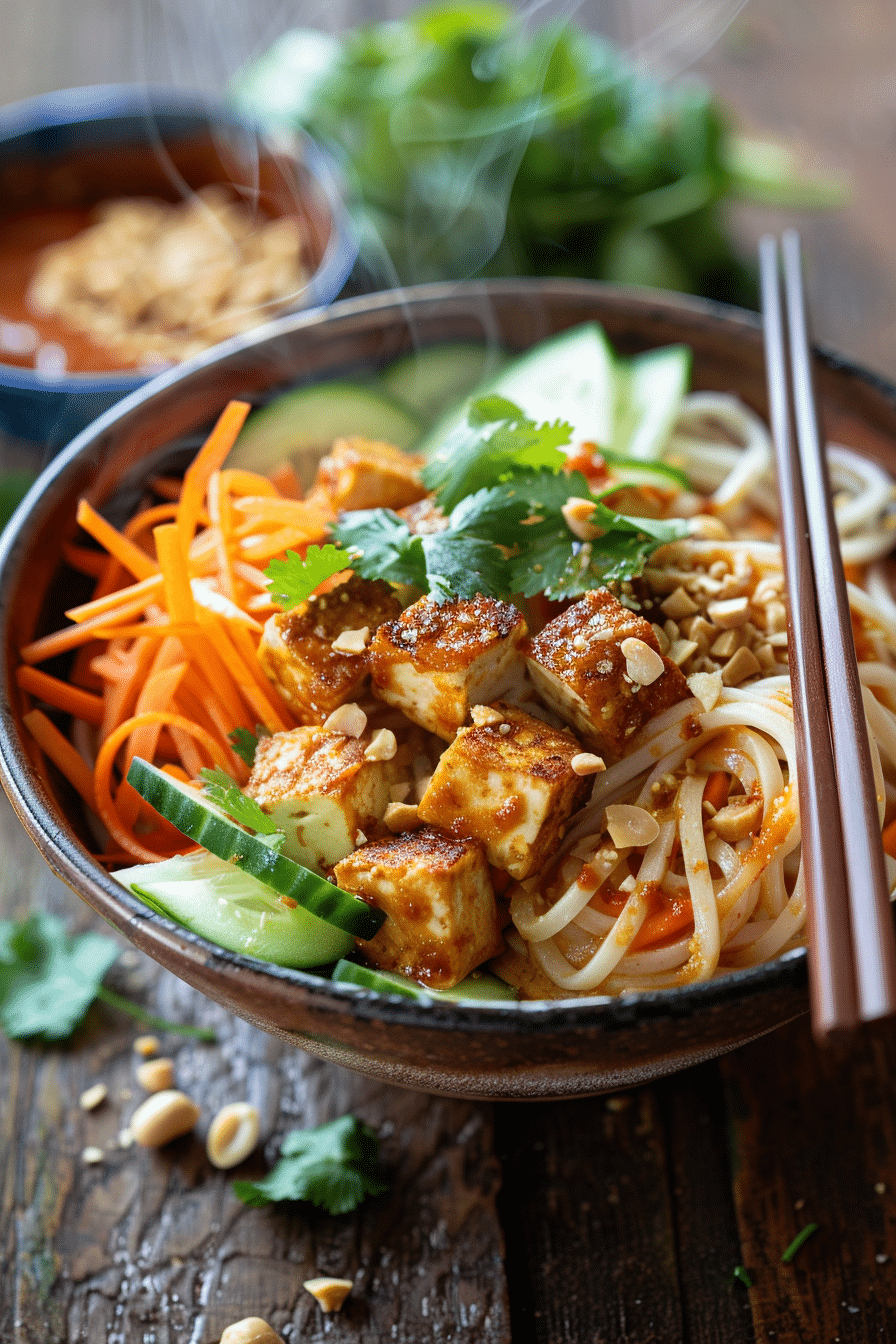
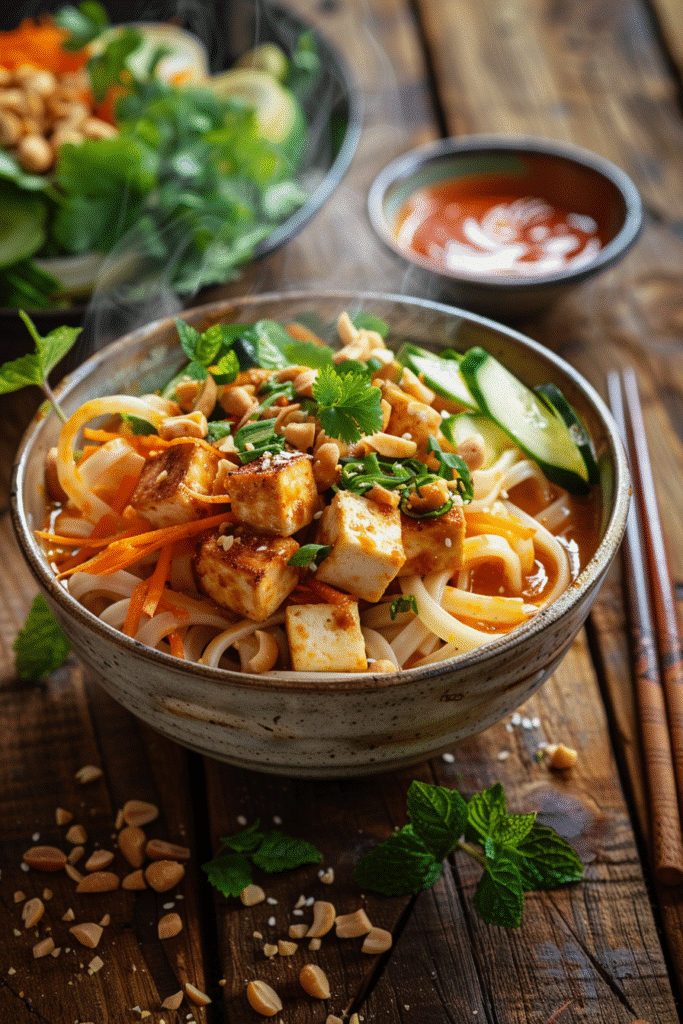
Looking for quick dinner ideas that don’t sacrifice flavor? These peanut noodles are your new weeknight hero. With a creamy, savory peanut sauce coating tender noodles and topped with fresh vegetables and tofu, this dish comes together faster than takeout and tastes infinitely better. Whether you’re feeding a hungry family or meal prepping for the week ahead, this recipe checks all the boxes: quick, affordable, healthy, and absolutely delicious.
Table of Contents
Why You’ll Love This Peanut Noodles Recipe
This recipe has become a staple in kitchens everywhere for good reason. It’s one of those rare dishes that manages to be both incredibly simple and restaurant-quality impressive. The rich peanut sauce clings beautifully to the noodles, while the crisp vegetables add refreshing crunch and color. Best of all, it comes together in about 20 minutes using mostly pantry staples.
Perfect for busy weeknights when you need dinner ideas for family gatherings, this dish is endlessly adaptable. Serve it hot for a cozy meal or cold as a refreshing noodle salad. The flavors actually deepen when chilled, making it an excellent option for lazy dinners or potluck contributions. Kids love the mild, nutty flavor, while adults appreciate the option to amp up the heat with sriracha.
Ingredients You’ll Need
Creating restaurant-quality peanut noodles at home requires just a handful of ingredients. Here’s everything you’ll need:
| Ingredient | Amount | Notes |
|---|---|---|
| Peanut Sauce | 1 recipe | Homemade or store-bought |
| Dried Udon or Rice Noodles | 8 ounces | Can substitute with spaghetti |
| Tamari | 1 tablespoon | Use soy sauce if not gluten-free |
| English Cucumber | ½, julienned | Adds refreshing crunch |
| Carrot | 1 medium, julienned | Provides sweetness and color |
| Extra-Firm Tofu | 7 ounces | Cut into thin strips |
| Fresh Herbs | To taste | Mint, cilantro, basil, or Thai basil |
| Crushed Peanuts | For garnish | Or substitute sesame seeds |
| Sriracha | For serving | Adjust to taste preference |
Ingredient Tips
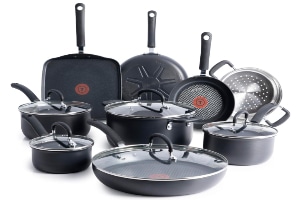
Noodles: While udon noodles provide that authentic chewy texture, rice noodles work beautifully for a gluten-free option. In a pinch, regular spaghetti or linguine can substitute perfectly. The key is cooking them to al dente so they don’t become mushy when tossed with the sauce. Having a reliable set of pots makes boiling noodles effortless.
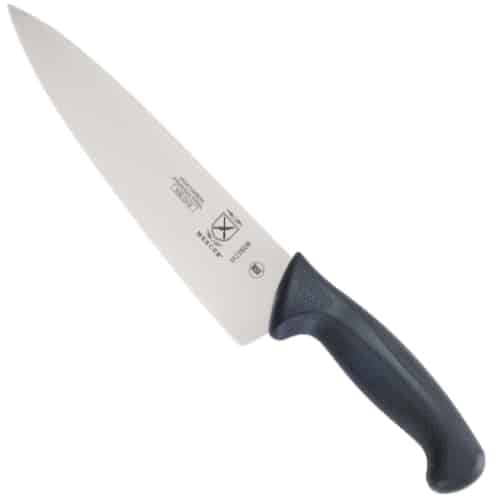
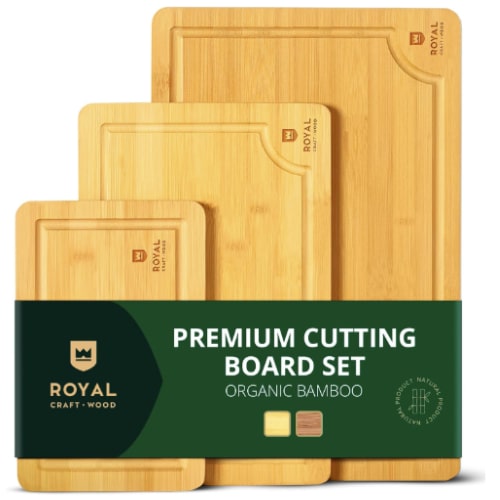
Tofu: Extra-firm tofu is essential for this recipe. It holds its shape when sliced and provides substantial protein. Press the tofu for at least 15 minutes before cutting to remove excess moisture. This helps it absorb the flavors better. A good cutting board and sharp chef’s knife make prep work safer and faster.
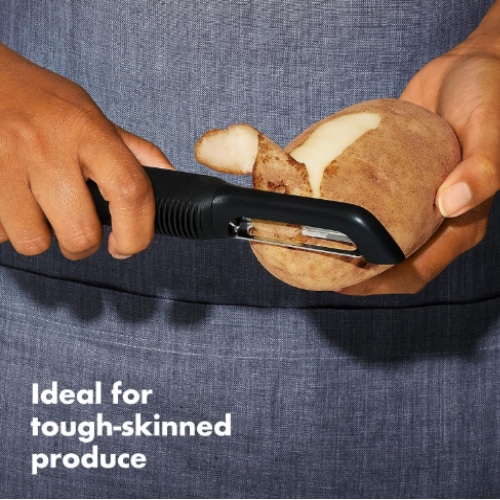
Vegetables: The julienned vegetables add crucial texture contrast. Use a sharp peeler or mandoline to create uniform strips. English cucumbers are preferred because they have fewer seeds and less water content than regular cucumbers.
Step-by-Step Instructions
Step 1: Prepare the Peanut Sauce
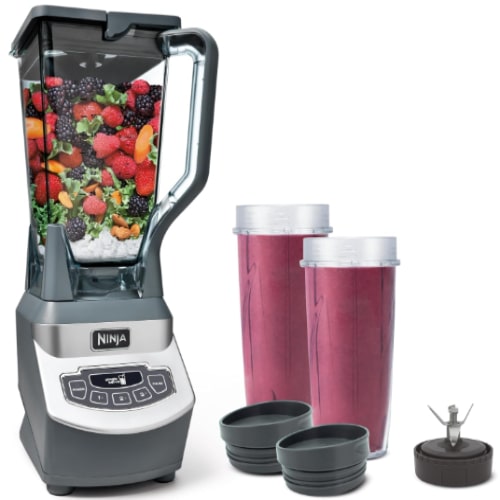
Start by making your peanut sauce according to your favorite recipe. A classic version combines creamy peanut butter, soy sauce, rice vinegar, sesame oil, garlic, ginger, and a touch of honey or maple syrup. The sauce should be thick but pourable. If you have a blender, you can blend all ingredients together for an ultra-smooth consistency. This step can be done up to 3 days in advance and stored in the refrigerator.
Step 2: Cook the Noodles
Bring a large pot of water to a rolling boil. Add your noodles and cook according to package directions until al dente. This typically takes 4-6 minutes for udon noodles and 8-10 minutes for rice noodles. Don’t overcook – the noodles will continue to soften slightly as they sit in the sauce. Using quality pots ensures even heat distribution for perfectly cooked noodles every time.
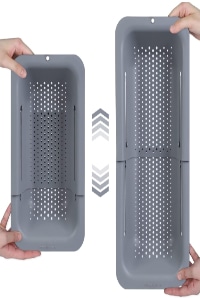
Once cooked, drain the noodles and rinse them thoroughly under cold running water. This stops the cooking process and removes excess starch, preventing the noodles from clumping. A good colander strainer basket makes this step much easier.
Step 3: Combine Noodles with Sauce
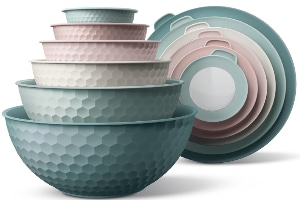
Transfer the drained, rinsed noodles to a large mixing bowl. Pour the peanut sauce over the noodles and add the tablespoon of tamari. Using tongs or large utensils, toss everything together until every noodle is evenly coated with the rich, creamy sauce. The tamari adds an extra layer of umami depth that complements the peanut flavor beautifully. A sturdy set of mixing bowls is essential for this step.
Step 4: Prepare Fresh Toppings
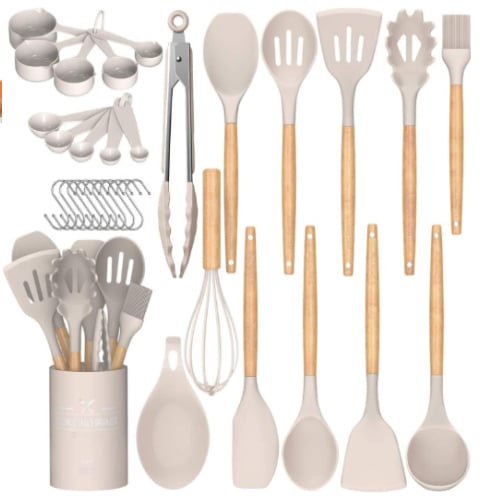
While the noodles rest, prepare your toppings. Julienne the cucumber and carrot into thin, matchstick-sized pieces. This can be done with a sharp knife, a julienne peeler, or a mandoline slicer. Slice the pressed tofu into thin strips. Chop your fresh herbs – a mix of cilantro, mint, and Thai basil creates the most authentic flavor profile. Having quality kitchen utensils makes prep work efficient.
Step 5: Assemble and Serve
Divide the dressed noodles among four serving bowls. Artfully arrange the cucumber, carrot, and tofu strips on top. Garnish generously with fresh herbs and crushed peanuts. Serve immediately with sriracha on the side, allowing everyone to customize their heat level. For a beautiful presentation, arrange the vegetables in sections rather than mixing everything together.
Equipment Needed
Creating this dish requires minimal equipment, but having the right tools makes the process smoother:
- Pots: A large pot for boiling noodles
- Colander Strainer Basket: For draining and rinsing noodles
- Mixing Bowls: Large bowl for tossing noodles with sauce
- Cutting Board: For preparing vegetables and tofu
- Chef’s Knives: Sharp knife for julienning vegetables
- Kitchen Utensils: Tongs or large spoons for tossing
- Blender: Optional, for making ultra-smooth peanut sauce
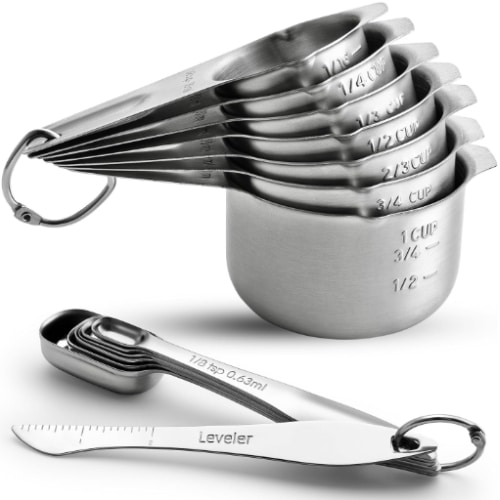
- Measuring Cups and Spoons Set: For accurate ingredient measurements
Tips for Perfect Peanut Noodles
Don’t Skip the Cold Rinse: After draining your noodles, rinsing them under cold water is crucial. This removes excess starch that can make the dish gummy and stops the cooking process to maintain that perfect al dente texture.
Adjust Sauce Consistency: If your sauce seems too thick, thin it with a tablespoon of water, rice vinegar, or reserved pasta cooking water. If it’s too thin, add a spoonful more peanut butter. The sauce should coat the noodles like a glaze, not pool at the bottom of the bowl.
Toast Your Peanuts: For an extra flavor dimension, toast your peanuts in a dry pan for 2-3 minutes before crushing them. This brings out their natural oils and intensifies their nutty flavor.
Make It Your Own: This recipe is incredibly versatile. Add shredded chicken, sautéed shrimp, or keep it vegetarian. Swap the vegetables for whatever you have on hand – bell peppers, snap peas, or bean sprouts all work wonderfully.
Meal Prep Friendly: These noodles keep well in the refrigerator for up to 4 days. Store the dressed noodles separately from the fresh toppings for best results. The flavors meld together beautifully overnight, making them even more delicious the next day.
Serving Suggestions
These peanut noodles shine as a main dish but can also play a supporting role. Serve them alongside:
- Crispy spring rolls or pot stickers as appetizers
- Simple cucumber salad for added freshness
- Steamed edamame sprinkled with sea salt
- Asian-style coleslaw for extra crunch
For a complete dinner spread, pair these noodles with miso soup and some steamed dumplings. The combination creates a satisfying, restaurant-quality meal at home that’s perfect for supper ideas when you want something special without the fuss.
Nutritional Benefits
Beyond being delicious, peanut noodles offer substantial nutritional value. Peanuts provide healthy fats, protein, and important minerals like magnesium and potassium. Tofu adds plant-based protein and calcium. The fresh vegetables contribute fiber, vitamins, and antioxidants. This balanced combination makes it one of the healthier dinner ideas recipes you can prepare.
For those watching their nutrition, this dish can be customized to fit various dietary needs. Use whole grain noodles for added fiber, reduce the oil in the sauce, or load up on extra vegetables to increase the nutrient density. It’s naturally dairy-free and can easily be made gluten-free with the right noodle and tamari choices.
Why This Recipe Works for Families
Finding dinner dishes that please everyone can be challenging, but peanut noodles consistently win over even picky eaters. The mild, slightly sweet peanut flavor appeals to kids, while the fresh herbs and sriracha option satisfy adult palates. It’s one of those rare kid-friendly dinners that parents actually enjoy eating too.
The recipe is also budget-friendly, making it ideal for cheap dinners for a family. Most ingredients are pantry staples, and the vegetables can be swapped based on what’s on sale. A single batch serves four people generously, and leftovers (if there are any) make excellent next-day lunches.
Common Questions
Can I make this dish ahead? Absolutely! The peanut sauce can be made 3-5 days in advance. The noodles can be cooked and dressed up to 2 days ahead, though they’re best served within 24 hours. Add fresh toppings just before serving.
What if I don’t have udon noodles? Rice noodles, soba noodles, spaghetti, linguine, or even ramen noodles all work beautifully. Choose based on your dietary needs and preferences.
How can I make this spicier? Add chili garlic sauce or sambal oelek to the peanut sauce. Top with sliced fresh chilies or increase the sriracha. Start conservatively – you can always add more heat.
Is this recipe gluten-free? It can be! Use rice noodles instead of udon, substitute tamari for soy sauce, and ensure your peanut sauce ingredients are gluten-free.
Can I serve this hot or cold? Both! It’s delicious warm as a comforting dinner or chilled as a refreshing noodle salad. The flavors develop differently at each temperature.
Printtop Peanut Noodles Recipe : 20-Minute Asian-Inspired Dinner
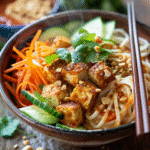
Delicious peanut noodles tossed in a creamy, savory sauce with fresh vegetables and tofu. Ready in just 20 minutes, this Asian-inspired dish is perfect for easy weeknight dinners.
- Prep Time: 10
- Cook Time: 10
- Total Time: 20
- Yield: 4
- Category: Main Course
- Method: Boiling
- Cuisine: Asian
- Diet: Vegetarian
Ingredients
1 recipe Peanut Sauce
8 ounces dried udon or rice noodles
1 tablespoon tamari
½ English cucumber, julienned
1 medium carrot, julienned
7 ounces extra-firm tofu, cut into thin strips
Fresh mint, cilantro, basil, and/or Thai basil leaves, for garnish
Crushed peanuts or sesame seeds, for garnish
Sriracha, for serving
Instructions
1. Prepare the peanut sauce according to your favorite recipe or use store-bought.
2. Bring a large pot of water to a boil. Prepare the noodles according to the package instructions, cooking until al dente. Drain and rinse under cold water.
3. Transfer the noodles to a large bowl and toss with the peanut sauce and tamari until evenly coated.
4. Portion the noodles into four bowls and top with the julienned cucumber, carrot, and tofu strips.
5. Garnish generously with fresh herbs and crushed peanuts. Serve with sriracha on the side for added heat.
Notes
For a gluten-free version, use rice noodles and ensure your tamari is certified gluten-free.
The peanut sauce can be made up to 3 days in advance and stored in the refrigerator.
This dish is delicious served hot or cold – perfect for meal prep!
Feel free to customize with your favorite vegetables or protein options.
Toast the peanuts before crushing for enhanced flavor.
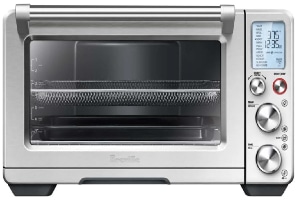
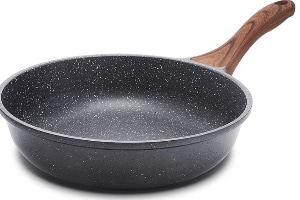
If you found this recipe helpful, feel free to check out the kitchen equipment below. Click on any image to view and purchase the product through our Amazon affiliate links at no extra cost to you. Your support helps us keep Deliciousavors.com running and bringing you great recipes!