This post may contain affiliate links. Please read our disclosure policy.
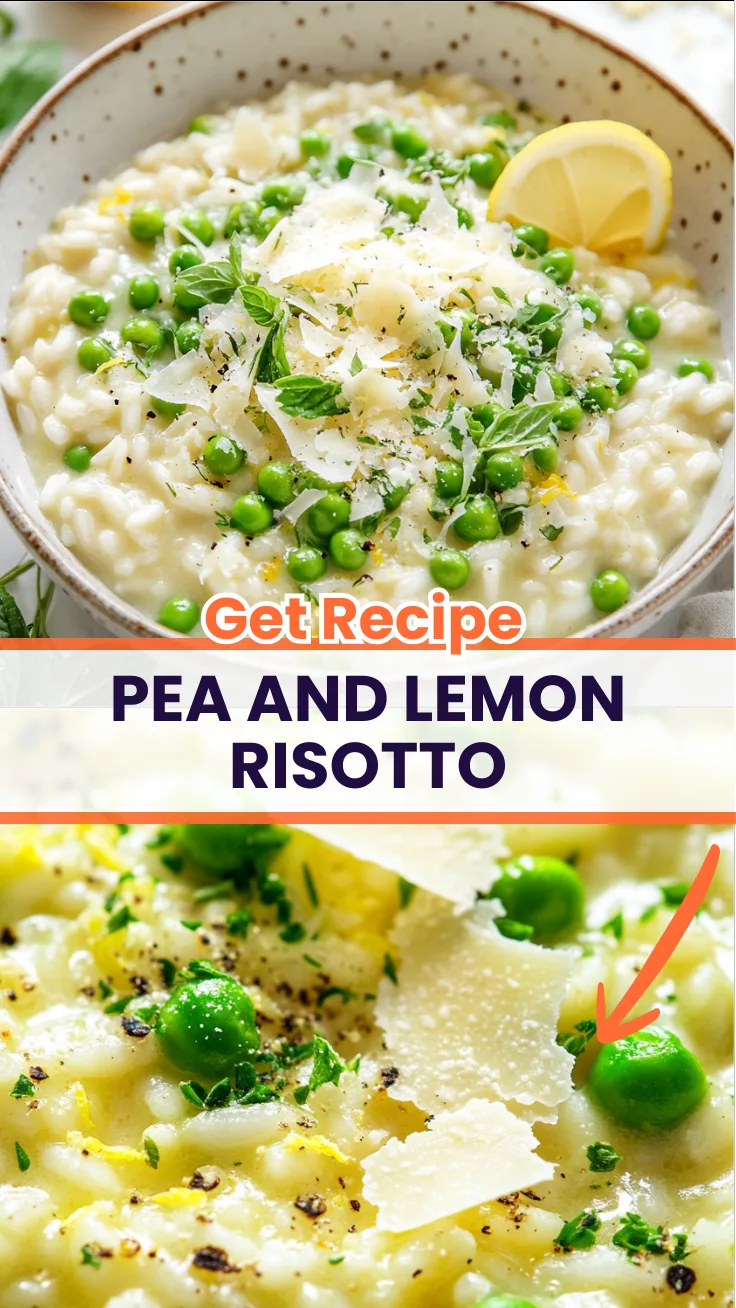
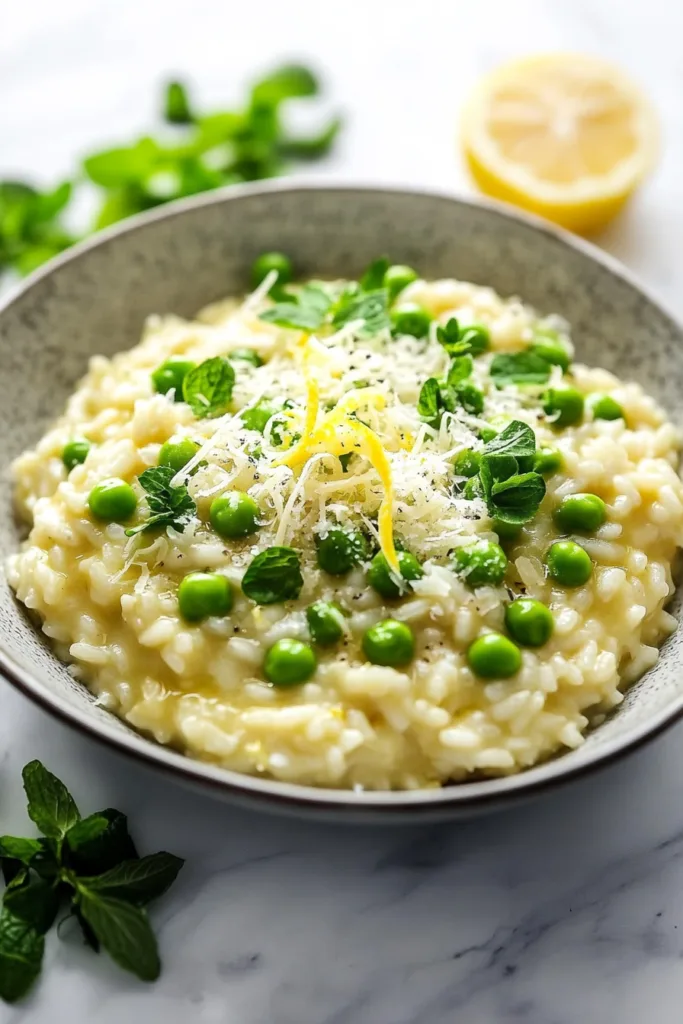
If you are looking for a dish that captures everything bright and beautiful about the season, this Spring Pea and Lemon Risotto is exactly what you need. It is one of those easy spring recipes that feels sophisticated enough for a dinner party yet simple enough for a busy weeknight. Creamy arborio rice, sweet fresh peas, a splash of dry white wine, and a generous hit of lemon zest come together in one pan to create a bowl of pure comfort with a seasonal twist.
Whether you are planning spring lunch ideas for family, putting together spring party food for guests, or simply craving a plate of spring dishes that celebrate the season’s best produce, this risotto checks every box. It is vegetarian-friendly when made with vegetable stock, naturally gluten-free, and endlessly satisfying. Let us walk through everything you need to know to make it perfectly every single time.
Table of Contents
Why You Will Love This Recipe
- Ready in under 35 minutes from start to finish
- Uses simple, fresh ingredients available at any grocery store
- Perfect as a main course or elegant side dish
- Easily adapted for vegetarians by swapping to vegetable stock
- A stunning addition to any Easter food ideas dinner spread
Equipment You Will Need
Having the right tools makes risotto much easier to manage. Here is what you will need for this recipe:
- Pot for warming the stock over low heat
- Wide, deep frying pan or saute pan the key vessel for building your risotto
- Kitchen utensils a wooden spoon or silicone spatula for stirring
- Cutting board for prepping shallots and zesting lemon
- Chef’s knife for finely dicing your shallot
- Measuring cups and spoons set for precise ingredient portions
- Mixing bowls for prepping and holding your ingredients
- Kitchen scale optional but helpful for weighing rice and Parmesan
Ingredients for Spring Pea and Lemon Risotto
This recipe serves approximately 4 people as a main course or 6 as a side dish. Gather everything before you start risotto moves quickly once you begin.
| Ingredient | Quantity | Notes |
|---|---|---|
| Salted butter, divided | 5 tablespoons | 3 Tbsp for cooking, 2 Tbsp for finishing |
| Extra virgin olive oil | 1 tablespoon | Adds depth and prevents butter from burning |
| Shallot, diced | 1/2 cup | About 2 medium shallots |
| Arborio rice | 1 1/2 cups | Do not rinse the starch is essential for creaminess |
| Salt and black pepper | To taste | Season in layers throughout cooking |
| Dry white wine (Pinot Grigio) | 1 cup | Adds brightness and acidity |
| Warm chicken or vegetable stock | 4 cups | Keep warm on adjacent burner throughout cooking |
| Fresh spring peas | 1 cup | Frozen peas work in a pinch |
| Lemon zest | Zest of 1 lemon | Zest before cutting the lemon much easier |
| Fresh lemon juice | 1 tablespoon | Brightens the finished dish |
| Parmesan, finely grated | 1/2 cup + more for serving | Use a microplane or fine grater for best melt |
How to Make Spring Pea and Lemon Risotto
Follow these steps carefully, and you will have a perfectly creamy, restaurant-quality risotto on your table in about 30 minutes. Use your wide, deep frying pan or saute pan for best results, and keep your kitchen utensils close at hand.
- Warm your stock. Pour 4 cups of chicken or vegetable stock into a pot and heat over medium-low. Keep it warm not boiling throughout the entire cooking process. Cold stock added to hot rice will slow the cooking and affect the texture.
- Start your base. Place a wide, deep saute pan over medium heat. Add 3 tablespoons of butter and the olive oil. When the butter turns frothy and begins to melt, you are ready for the next step.
- Soften the shallots. Add the diced shallot to the pan using your chef’s knife-prepped pieces and stir quickly. You want them soft and translucent, not browned about 1 minute. Keep the heat at medium and stay attentive.
- Toast the rice. Add the 1 1/2 cups of arborio rice to the pan. Stir frequently for about 2 minutes until each grain turns slightly translucent at the edges. This toasting step is what gives risotto its signature nutty depth. Lightly season with salt and pepper at this point using your measuring spoons for accuracy.
- Add the wine. Pour in 1 cup of dry white wine and stir well. Allow it to absorb into the rice, stirring frequently. You will smell the alcohol cook off and the liquid will reduce this takes about 2 to 3 minutes.
- Add stock, one ladle at a time. Once the wine has absorbed, ladle in approximately 1 cup of warm stock. Stir occasionally (not constantly) and let the liquid absorb before adding the next ladle. Repeat this process for about 20 to 25 minutes. Taste as you go the rice should be creamy and ever-so-slightly chewy when it is done.
- Add the peas. With the final ladle of stock, add the fresh spring peas directly to the pan. Stir them in and let them cook gently as the last of the stock absorbs. They will turn bright green and tender in just a couple of minutes.
- Finish with butter, lemon, and Parmesan. When the stock is about halfway absorbed in this final stage, stir in the remaining 2 tablespoons of butter, the lemon zest, and the grated Parmesan. Mix everything together until the risotto is glossy, creamy, and cohesive. Finally, pour in the tablespoon of fresh lemon juice, stir, and taste for seasoning.
- Serve immediately. Risotto does not wait. Spoon into warm bowls and pass extra Parmesan at the table.
Pro Tips for Perfect Risotto Every Time
- Never rinse your arborio rice. The surface starch is what creates the creamy texture you are after. Rinsing removes it.
- Keep your stock warm. Adding cold liquid to hot rice shocks it and slows the cooking. A second pot on a nearby burner is the easiest solution.
- Stir with purpose, not obsessively. You do not need to stand over the pot stirring every second. Stir every 30 to 60 seconds to prevent sticking and encourage creaminess.
- Taste constantly. Every stove is different. Start tasting the rice for doneness at the 18-minute mark so you do not overcook it.
- Use a microplane for zesting. A kitchen utensil like a microplane zester gives you fine, fragrant zest without the bitter white pith.
- Zest before you juice. Always zest the lemon first it is much easier to grip and zest a whole lemon than a cut one.
- Use a wide pan. A wide base allows the liquid to absorb more evenly, speeding up the process and improving texture.
Serving Suggestions
This Spring Pea and Lemon Risotto shines on its own as a vegetarian main course, but it also pairs beautifully alongside simple proteins. Try it next to roasted salmon, pan-seared chicken thighs, or grilled shrimp. For an elegant Easter food ideas dinner, serve it as a refined side dish in place of a standard grain or starch. It also makes a gorgeous centerpiece for spring party food spreads simply double the recipe and keep it warm in the pan over very low heat, stirring occasionally.
Storage and Reheating
- Refrigerator: Store leftover risotto in an airtight container for up to 3 days.
- Reheating: Add a splash of warm water or stock to the risotto in a frying pan over medium-low heat. Stir until creamy and heated through. The texture will not be quite as silky as freshly made, but it will still be delicious.
- Freezing: Risotto does not freeze well the rice becomes grainy upon thawing. Enjoy it fresh for the best experience.
Frequently Asked Questions
Can I make Spring Pea and Lemon Risotto without wine?
Yes. Simply replace the 1 cup of white wine with an equal amount of warm chicken or vegetable stock and add a small squeeze of lemon juice to compensate for the acidity the wine provides. The result will still be delicious.
Can I use frozen peas instead of fresh spring peas?
Absolutely. Frozen peas work perfectly in this recipe. There is no need to thaw them first just add them with the final ladle of stock and they will cook through in the pan. Fresh spring peas are preferred when in season for their sweetness and texture, but frozen is a reliable year-round substitute.
What type of rice is best for this Spring Pea and Lemon Risotto?
Arborio rice is the classic choice and is easy to find at any grocery store. Carnaroli or Vialone Nano are also excellent options if you can source them they hold their shape slightly better and produce an equally creamy result.
Is Spring Pea and Lemon Risotto gluten-free?
Yes, this recipe is naturally gluten-free as long as your stock is certified gluten-free. Always check labels when using store-bought broth or stock, as some brands may contain additives with gluten.
Can I make this risotto ahead of time for a dinner party?
You can partially cook the risotto about 80% of the way through, then spread it on a baking sheet to stop the cooking. When ready to serve, return it to the pan, add warm stock, and finish the recipe. This technique is commonly used in restaurant kitchens and works very well for spring party food planning.
How do I know when my Spring Pea and Lemon Risotto is done?
The rice should be creamy, loose, and flow slightly when you tilt the pan Italians call this “all’onda,” meaning “wave.” The grains should be tender with just a faint firmness at the center. If it is too thick, stir in a small splash of warm stock. If it is too loose, cook for another minute or two.
Make It Your Own
One of the best things about this easy spring recipe is how easily it adapts to your taste and what you have on hand. Stir in a handful of baby spinach or arugula at the end for added greens. Swap the Parmesan for Pecorino Romano for a sharper, saltier finish. Add sauteed mushrooms for earthiness, or fold in some crispy pancetta for a savory, smoky contrast. A drizzle of high-quality extra virgin olive oil just before serving adds a beautiful finishing touch.
This risotto is more than just a meal it is a celebration of the season. With its vibrant green peas, golden Parmesan richness, and zesty lemon brightness, every bite tastes like spring on a plate. Whether this is your first time making risotto or your fiftieth, this recipe will not disappoint. Give it a try this weekend and let it become your new seasonal staple.
If you found this recipe helpful, feel free to check out the kitchen equipment. Click on any url to view and purchase the product through our Amazon affiliate links at no extra cost to you. Your support helps us keep Deliciousavors.com running and bringing you great recipes!
PrintSpring Pea and Lemon Risotto : Creamy, Fresh & Ready in 30 Minutes

A creamy, bright, and elegant Spring Pea and Lemon Risotto made with arborio rice, fresh spring peas, dry white wine, lemon zest, and Parmesan cheese. Ready in 30 minutes and perfect for spring lunch ideas, Easter food ideas dinner, or any occasion calling for easy spring recipes.
- Prep Time: 10 minutes
- Cook Time: 25 minutes
- Total Time: 35 minutes
- Yield: 4 servings
- Category: Main Course, Side Dish
- Method: Stovetop
- Cuisine: Italian
Ingredients
5 tablespoons salted butter, divided
1 tablespoon extra virgin olive oil
1/2 cup diced shallot
1 1/2 cups arborio rice
Salt and pepper, to taste
1 cup dry white wine (such as Pinot Grigio)
4 cups warm chicken or vegetable stock
1 cup fresh spring peas
Zest of one lemon
1 tablespoon fresh squeezed lemon juice
1/2 cup Parmesan, finely grated, plus more for serving
Instructions
1. Warm the stock in a pot over medium-low heat and keep it warm throughout cooking.
2. Warm a wide, deep saute pan over medium heat and add 3 tablespoons butter and the olive oil.
3. When butter is frothy, add shallot and stir quickly so they soften but do not brown, about 1 minute.
4. Add rice and stir frequently until translucent, about 2 minutes. Lightly season with salt and pepper.
5. Pour in wine and stir well, allowing the wine to absorb fully into the rice.
6. When wine is absorbed, ladle in 1 cup of stock, stirring occasionally until absorbed. Keep repeating until the stock is gone or the rice is creamy and slightly chewy, about 20-25 minutes.
7. With the final ladle of stock, also add the fresh spring peas to the rice.
8. When stock is halfway absorbed, stir in remaining 2 tablespoons butter, lemon zest, and Parmesan cheese.
9. Pour in lemon juice, taste for seasoning, and adjust as needed.
10. Serve immediately with extra Parmesan for passing.
Notes
Do not rinse the arborio rice — the surface starch creates the creamy texture.
Always keep your stock warm on a separate burner while cooking.
Zest the lemon before cutting it — it is much easier to zest a whole lemon.
Risotto does not wait — serve immediately straight from the pan for the best texture.
Frozen peas can be substituted for fresh spring peas with excellent results.
For a vegetarian version, use vegetable stock instead of chicken stock.