This post may contain affiliate links. Please read our disclosure policy.
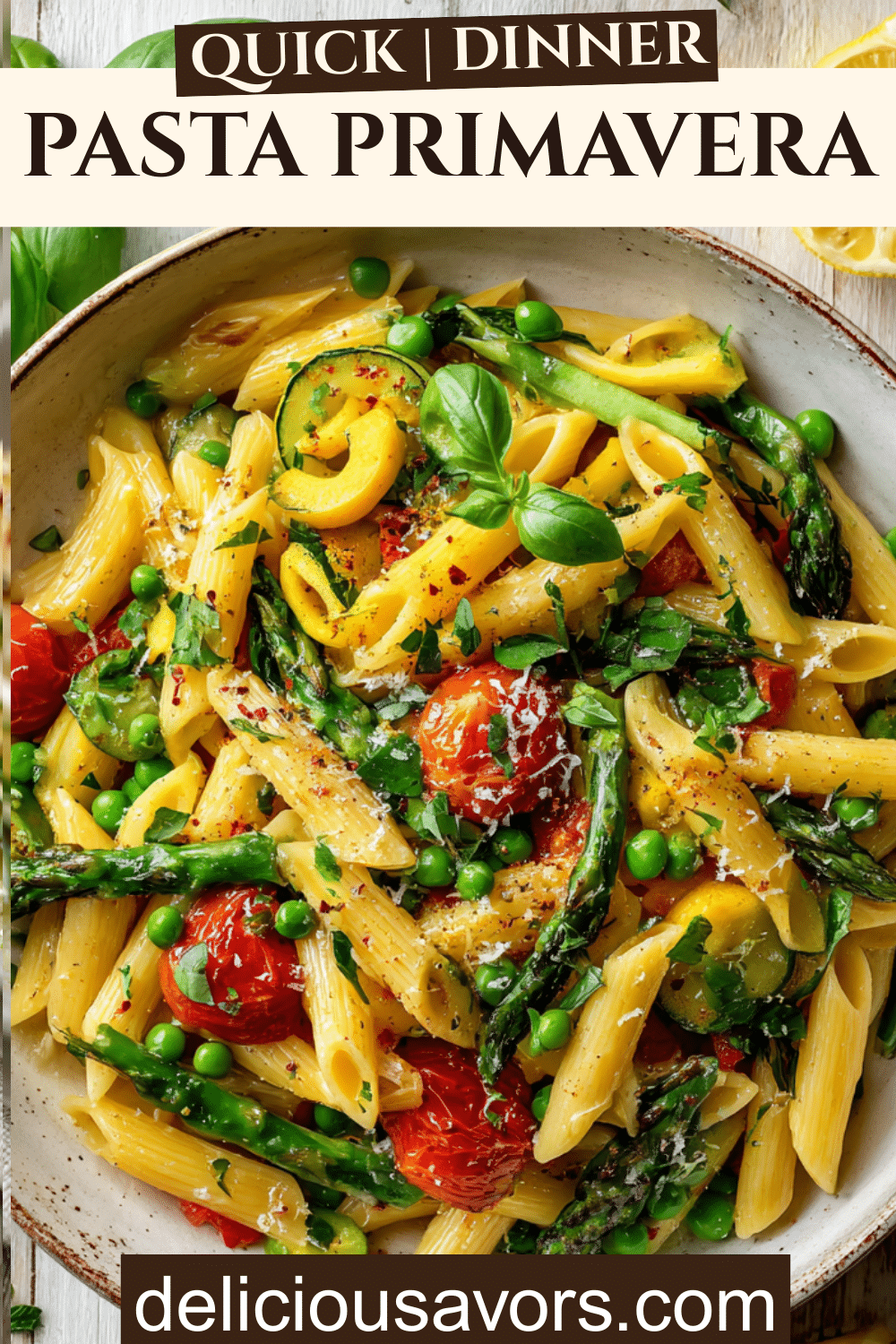
When dinnertime rolls around and you’re searching for quick dinner ideas that satisfy everyone at the table, Pasta Primavera emerges as the ultimate solution. This colorful Italian-American classic transforms simple vegetables and pasta into a restaurant-worthy meal that’s ready in just 30 minutes. Whether you’re planning easy weeknight dinners or looking for healthy dinner ideas for family gatherings, this versatile dish checks all the boxes.
Pasta Primavera literally means “spring pasta” in Italian, celebrating the season’s freshest produce. However, this adaptable recipe works beautifully year-round, making it one of those reliable dinner ideas for family meals that never goes out of style. The combination of tender vegetables, al dente pasta, and a light lemon-pecorino sauce creates a balanced meal that appeals to adults and children alike making it a true kid-friendly dinner winner.
Table of Contents
Why This Pasta Primavera Recipe Works
This recipe stands out among supper ideas for several compelling reasons. First, it’s incredibly economical, qualifying as one of those cheap dinners for a family that doesn’t taste budget-friendly. Second, the cooking technique is straightforward enough for lazy dinners when you don’t want to fuss, yet impressive enough for casual entertaining. Finally, the nutritional profile delivers vegetables in a format that even picky eaters embrace.
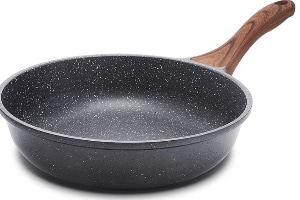
The secret lies in the perfect balance of textures and flavors. Crisp-tender vegetables maintain their vibrant colors and slight bite, while the pecorino cheese and fresh lemon juice create a light, creamy coating that brings everything together without heavy cream or butter. Using a large pot ensures even cooking, while a quality frying pan helps achieve that perfect sauté on your vegetables.
Essential Ingredients for Perfect Pasta Primavera
| Ingredient | Quantity | Purpose |
|---|---|---|
| Penne pasta | 10 ounces | Base of the dish |
| Extra-virgin olive oil | 2 tablespoons + drizzle | Cooking fat and flavor |
| Garlic cloves | 4, sliced | Aromatic base |
| Yellow squash | 1 medium | Sweet, tender vegetable |
| Zucchini | 1 medium | Mild, nutritious addition |
| Asparagus | 1 bunch | Spring flavor and texture |
| Cherry tomatoes | 1 cup, halved | Bright acidity and color |
| Red onion | 1 cup, thinly sliced | Sharp, sweet flavor |
| Frozen peas | ½ cup, thawed | Pop of color and sweetness |
| Pecorino cheese | ¾ cup, grated | Salty, savory element |
| Fresh lemon juice | 3 tablespoons | Bright acidity |
| Sea salt | 1 teaspoon | Seasoning |
| Red pepper flakes | Pinch | Subtle heat |
| Fresh basil | 1 cup leaves | Herbaceous freshness |
| Fresh tarragon | ¼ cup (optional) | Anise-like complexity |
| Black pepper | To taste | Seasoning |
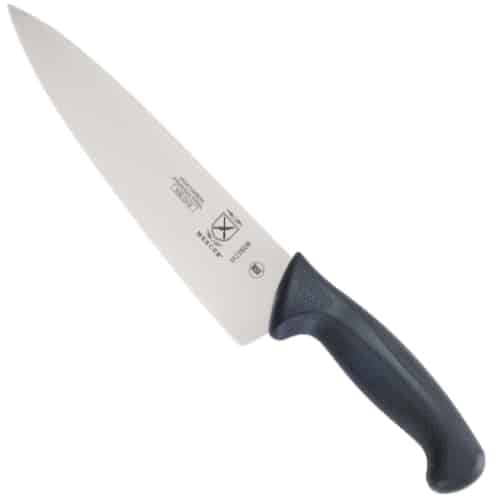
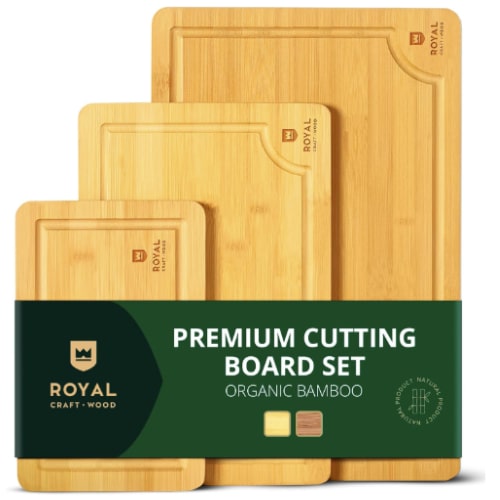
Having the right kitchen utensils and sharp chef’s knives makes prep work significantly faster. Use a quality cutting board to safely slice your vegetables into uniform pieces for even cooking.
Step-by-Step Instructions
Step 1: Cook the Pasta
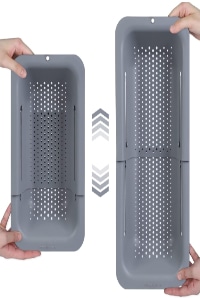
Fill your large pot with water, add a generous amount of salt (the water should taste like the sea), and bring to a rolling boil. Add the penne pasta and cook according to package directions until al dente usually 8-10 minutes. Drain using a colander strainer basket and toss with a light drizzle of olive oil to prevent sticking. Reserve about ½ cup of pasta water before draining in case you need to adjust the sauce consistency later.
Step 2: Prepare the Vegetables
While the pasta cooks, prepare your vegetables using sharp chef’s knives on a stable cutting board. Slice the garlic thinly, cut the yellow squash and zucchini into thin half-moons, chop the asparagus into 1-inch pieces, halve the cherry tomatoes, and thinly slice the red onion. Having everything prepped before you start cooking ensures smooth execution.
Step 3: Sauté the Vegetables
Heat 2 tablespoons of extra-virgin olive oil in a large frying pan over medium heat. Once the oil shimmers, add the sliced garlic and cook for about 30 seconds until fragrant but not browned. Add the yellow squash, zucchini, asparagus, cherry tomatoes, red onion, sea salt, and several generous grinds of black pepper. Sauté for 3-4 minutes, stirring occasionally with your kitchen utensils, until the vegetables are tender but still maintain a slight bite. The tomatoes should begin to soften and release their juices.
Step 4: Combine Everything
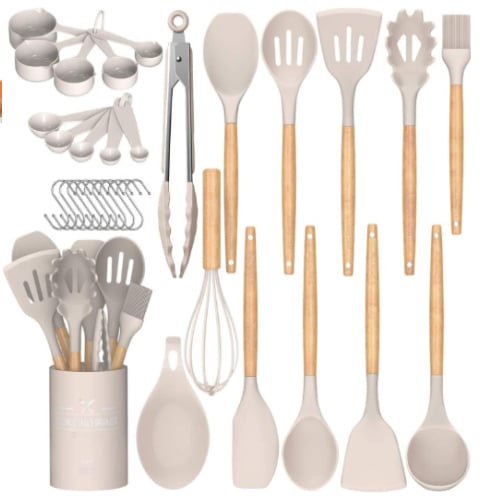
Add the cooked pasta and thawed peas to the skillet with the vegetables. Sprinkle in the grated pecorino cheese, drizzle with fresh lemon juice, and add a pinch of red pepper flakes for subtle warmth. Toss everything together using tongs or wooden spoons from your kitchen utensils set, ensuring the cheese melts and coats the pasta evenly. If the mixture seems dry, add a splash of the reserved pasta water to create a light sauce.
Step 5: Finish with Fresh Herbs
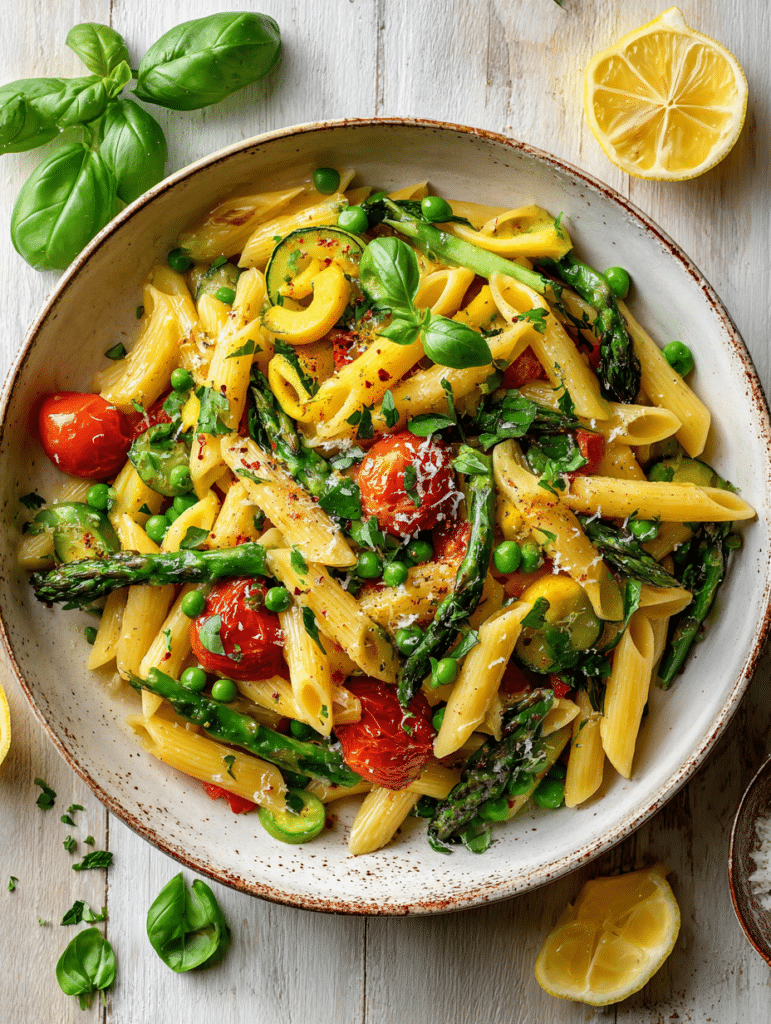
Remove the pan from heat and stir in the fresh basil leaves and tarragon if using. The residual heat will gently wilt the herbs and release their aromatic oils. Taste and adjust seasoning with additional salt and pepper as needed. Transfer to a serving platter or individual bowls, garnish with extra basil leaves, and serve immediately while hot.
Pro Tips for the Best Pasta Primavera
Choose the Right Pasta Shape: While penne works wonderfully, other short pasta shapes like rigatoni, farfalle, or fusilli also work well because they catch the vegetables and cheese in their ridges and curves.
Don’t Overcook the Vegetables: The key to vibrant Pasta Primavera is maintaining the vegetables’ color and texture. They should be tender-crisp, not mushy. If your vegetables release too much water, increase the heat slightly to evaporate excess moisture.
Season the Pasta Water Generously: Properly salted pasta water seasons the pasta from within, which is essential since there’s no heavy sauce to mask bland pasta. Use about 1-2 tablespoons of salt per gallon of water.
Use Fresh, Quality Ingredients: Since this dish relies on simple, fresh components, quality matters. Fresh vegetables, good olive oil, real pecorino cheese, and fresh herbs make a noticeable difference in the final result.
Customize Your Vegetables: Feel free to swap vegetables based on what’s in season or what your family prefers. Bell peppers, snap peas, broccoli florets, or green beans all work beautifully in this versatile recipe.
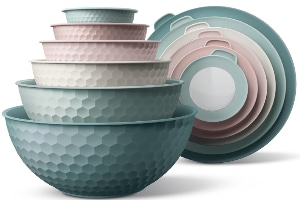
Make It Ahead: While best served fresh, you can prep all the vegetables in advance and store them in mixing bowls covered in the refrigerator for up to 24 hours before cooking.
Equipment You’ll Need
Having the right tools makes preparing this dinner recipe significantly easier:
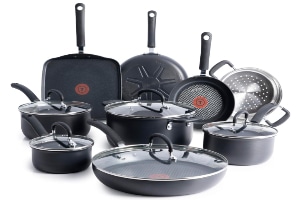
- Large pot for boiling pasta
- Large frying pan for sautéing vegetables
- Chef’s knives for efficient vegetable prep
- Cutting board for safe slicing
- Kitchen utensils including tongs and wooden spoons
- Colander strainer basket for draining pasta
- Mixing bowls for prep and serving
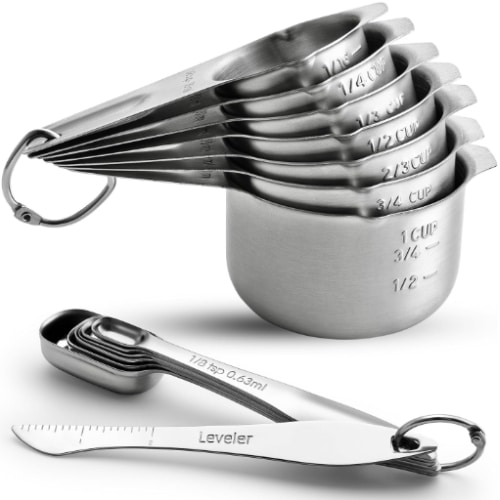
- Measuring cups and spoons set for accuracy
Nutritional Benefits
This Pasta Primavera qualifies as one of the healthier dinner dishes you can serve your family. Each serving delivers substantial amounts of fiber, vitamins A and C, folate, and antioxidants from the colorful vegetable medley. The asparagus provides vitamin K and folate, while the tomatoes offer lycopene. The whole grain option adds additional fiber and nutrients if you choose whole wheat pasta.
By focusing on vegetables as the star and using cheese sparingly for flavor rather than as a heavy sauce base, you create a lighter dish that doesn’t leave you feeling overly full. The olive oil provides heart-healthy monounsaturated fats, and the fresh lemon juice aids digestion while adding brightness without calories.
Frequently Asked Questions
Can I make Pasta Primavera ahead of time?
While this dish is best enjoyed fresh, you can prepare components ahead. Chop vegetables and store them in airtight containers in the refrigerator for up to 24 hours. Cook the pasta and sauté the vegetables just before serving for optimal texture and flavor.
What can I substitute for pecorino cheese?
Parmesan cheese works as an excellent substitute and is often more readily available. For a dairy-free version, use nutritional yeast for a cheesy flavor or simply omit the cheese and add extra lemon juice and olive oil.
How do I prevent my pasta from becoming mushy?
Cook pasta just until al dente (it should have a slight bite in the center), drain immediately, and toss with a bit of olive oil. Don’t let cooked pasta sit in water, and avoid overcooking it since it will continue to soften slightly when tossed with the hot vegetables.
Can I add protein to this recipe?
Absolutely! Grilled chicken, sautéed shrimp, pan-seared salmon, or white beans all complement this dish beautifully. Cook your protein separately and add it in step 4 when combining everything together.
What’s the best way to reheat leftovers?
Reheat gently in a frying pan over medium-low heat with a splash of water or broth to rehydrate the pasta. Avoid microwaving if possible, as it can make the vegetables soggy and the pasta gummy.
Can I use frozen vegetables instead of fresh?
While fresh vegetables provide the best texture and flavor, frozen vegetables can work in a pinch. Thaw and drain them thoroughly before adding to avoid excess water in your dish. The cooking time may need adjustment since frozen vegetables are partially cooked.
Is Pasta Primavera kid-friendly?
Yes! This is one of the best kid-friendly dinners because the mild flavors and colorful presentation appeal to children. You can adjust the vegetables based on your children’s preferences and reduce or omit the red pepper flakes for sensitive palates.
Storage and Meal Prep
Store leftover Pasta Primavera in an airtight container in the refrigerator for up to 3 days. The vegetables will soften slightly over time, but the dish remains delicious. For meal prep, consider storing the cooked pasta and sautéed vegetables separately, then combining and reheating when ready to eat.
This recipe doubles easily if you’re feeding a crowd or want leftovers for lunch. Simply use a larger frying pan or work in batches to avoid overcrowding, which can cause steaming rather than proper sautéing.
Why This Recipe Belongs in Your Rotation
Among all the dinner ideas recipes out there, Pasta Primavera deserves a permanent spot in your weekly meal plan. It transforms inexpensive, everyday ingredients into something special without requiring advanced cooking skills or exotic ingredients. The recipe is forgiving if you’re a few minutes late draining the pasta or your vegetables cook a bit longer, the dish still turns out delicious.
For families seeking cheap dinners for a family that don’t sacrifice nutrition or flavor, this recipe delivers exceptional value. A single batch serves 4-6 people depending on portion sizes, and the per-serving cost remains remarkably low. The vegetables provide substantial volume and nutrition, while the pasta offers satisfying sustenance.
As one of the ultimate lazy dinners, Pasta Primavera requires minimal cleanup just one pot for pasta and one pan for vegetables. The straightforward technique means you can have dinner on the table in less time than it takes to order takeout, making it perfect for those hectic weeknights when time is precious.
This Pasta Primavera recipe embodies everything you want in easy weeknight dinners: quick preparation, simple ingredients, family-friendly flavors, and impressive results. Give it a try tonight and discover why this classic combination of pasta and fresh vegetables has remained popular for generations!
PrintEasy Pasta Primavera Recipe : 30-Minute Fresh Veggie Dinner for Families
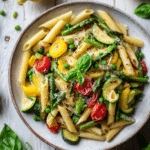
This vibrant Pasta Primavera combines tender penne pasta with fresh spring vegetables including zucchini, yellow squash, asparagus, cherry tomatoes, and peas. Tossed with a light lemon-pecorino sauce and fresh herbs, this 30-minute dish delivers restaurant-quality flavor perfect for easy weeknight dinners.
- Prep Time: 10
- Cook Time: 20
- Total Time: 30
- Yield: 4-6 servings
- Category: Main Course
- Method: Sautéing
- Cuisine: Italian-American
- Diet: Vegetarian
Ingredients
10 ounces penne pasta
2 tablespoons extra-virgin olive oil, plus more for drizzling
4 garlic cloves, sliced
1 yellow squash, sliced into thin half-moons
1 zucchini, sliced into thin half-moons
1 bunch asparagus, chopped into 1-inch pieces
1 cup cherry tomatoes, halved
1 cup thinly sliced red onion
1 teaspoon sea salt
½ cup frozen peas, thawed
¾ cup grated pecorino cheese
3 tablespoons fresh lemon juice
Red pepper flakes, to taste
1 cup fresh basil leaves, plus more for garnish
¼ cup fresh tarragon, optional
Freshly ground black pepper, to taste
Instructions
1. Bring a large pot of salted water to a boil. Prepare the pasta according to the package instructions, cooking until al dente. Drain and toss with a drizzle of olive oil to prevent sticking.
2. Heat the oil in a large, deep skillet over medium heat. Add the garlic, squash, zucchini, asparagus, tomatoes, onion, salt, and several grinds of pepper and sauté for 3 to 4 minutes, or until the vegetables are tender.
3. Add the pasta, peas, cheese, lemon juice, and a pinch of red pepper flakes and toss to combine. Stir in the basil and tarragon, if using.
4. Season to taste, garnish with more basil, and serve immediately.
Notes
For best results, cook pasta just until al dente as it will continue softening when combined with hot vegetables.
Reserve some pasta water before draining to adjust sauce consistency if needed.
Feel free to substitute vegetables based on seasonal availability or family preferences.
Whole wheat or legume-based pasta can be used for added nutrition.
This dish is best served immediately but can be stored in the refrigerator for up to 3 days.
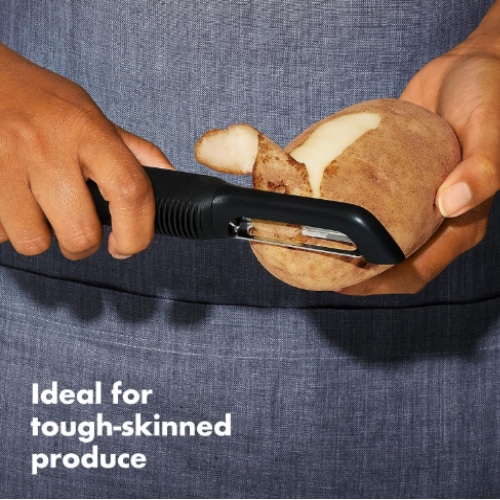
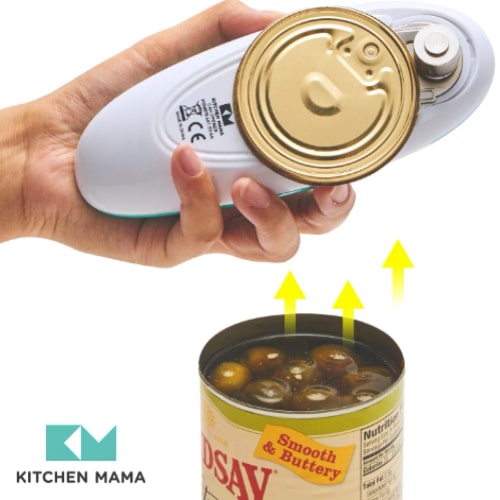
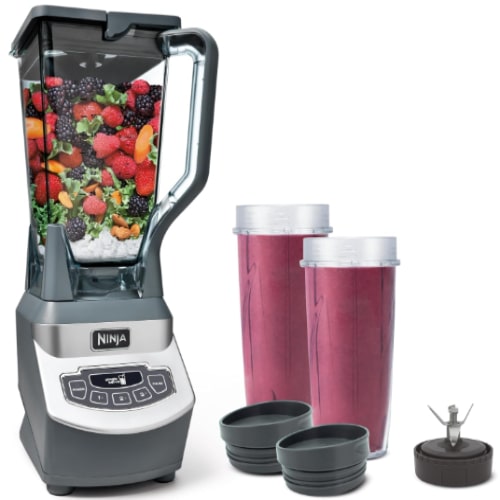
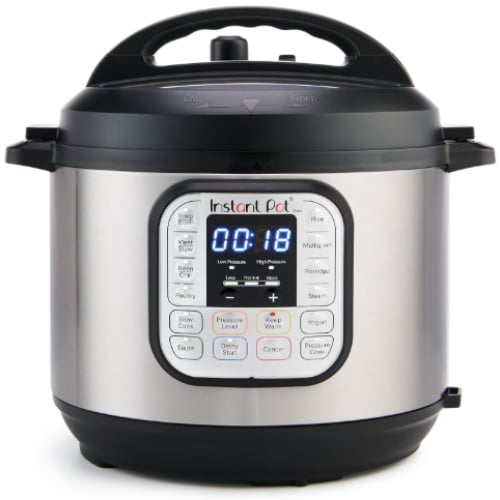
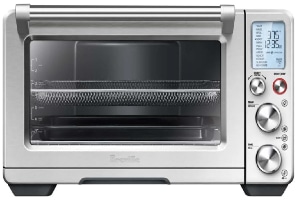
If you found this recipe helpful, feel free to check out the kitchen equipment below. Click on any image to view and purchase the product through our Amazon affiliate links at no extra cost to you. Your support helps us keep Deliciousavors.com running and bringing you great recipes!