This post may contain affiliate links. Please read our disclosure policy.
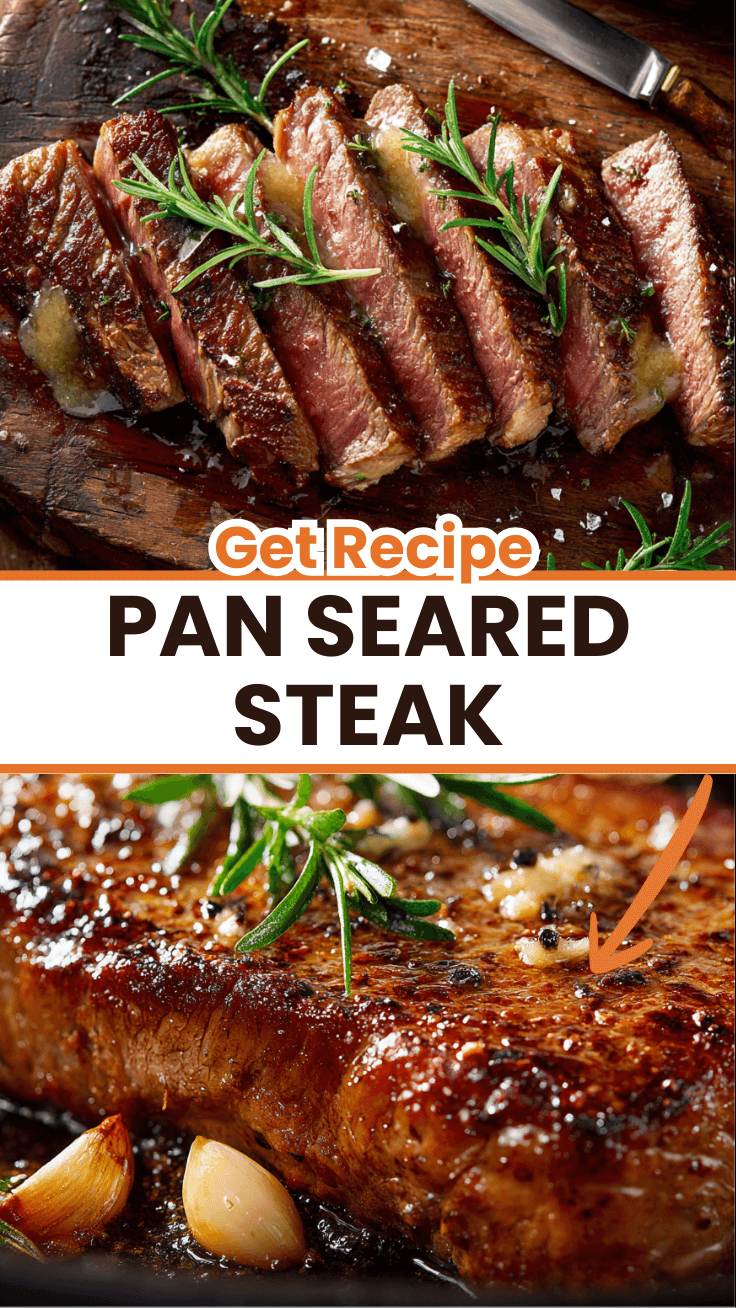
There’s something undeniably satisfying about cutting into a perfectly cooked steak that beautiful caramelized crust giving way to tender, juicy meat cooked exactly to your liking. If you’ve ever wondered how steakhouses achieve that golden-brown exterior and melt-in-your-mouth interior, you’re about to discover their secret. This pan seared steak recipe transforms simple ingredients into an extraordinary meal that rivals any high-end restaurant, and the best part? You can master this technique in just 15 minutes using equipment you likely already have in your kitchen.
Whether you’re celebrating a special occasion, impressing dinner guests, or simply treating yourself to something spectacular on a weeknight, this method delivers consistent, professional results every single time. The key lies in understanding a few fundamental techniques: proper seasoning, achieving the right pan temperature, and the game-changing butter-basting method that infuses your steak with rich, aromatic flavor. Let’s dive into everything you need to know to cook the perfect pan seared steak.
Table of Contents
Why This Pan Seared Steak Recipe Works
The beauty of pan searing steak lies in the Maillard reaction that magical chemical process that occurs when proteins and sugars in the meat react under high heat, creating hundreds of flavor compounds and that coveted brown crust. Unlike grilling, pan searing gives you complete control over temperature and allows you to continuously baste your steak with butter, garlic, and herbs, adding layers of flavor that penetrate the meat.
This recipe specifically uses a cast iron frying pan, which retains heat exceptionally well and creates an even cooking surface. The combination of initial high-heat searing followed by butter basting ensures your steak develops a perfect crust while remaining tender inside. The resting period after cooking allows the juices to redistribute throughout the meat, ensuring every bite is succulent and flavorful.
Ingredients You’ll Need
Quality ingredients make all the difference in this recipe. Here’s what you’ll need to create steakhouse-worthy results:
| Ingredient | Quantity | Notes |
|---|---|---|
| New York Strip Steaks | 2 lbs (2 steaks) | 1 1/4″ thick, or substitute with Ribeye or Top Sirloin |
| Vegetable Oil | 1/2 Tbsp | High smoke point oil like canola or extra light olive oil |
| Sea Salt | 1 1/2 tsp | Quality sea salt enhances flavor |
| Black Pepper | 1 tsp | Freshly ground for best flavor |
| Unsalted Butter | 2 Tbsp | Essential for basting and flavor |
| Garlic | 2 cloves | Peeled and quartered |
| Fresh Rosemary | 1 sprig | Adds aromatic flavor during basting |
Choosing the Right Cut
While this recipe works with various cuts, New York Strip, Ribeye, and Top Sirloin are ideal choices. Look for steaks that are at least 1 1/4 inches thick this thickness allows you to develop a proper crust without overcooking the interior. The marbling (white fat streaks throughout the meat) contributes to flavor and tenderness, so don’t shy away from well-marbled cuts.
Essential Equipment
Having the right tools ensures success with this recipe:
- Cast iron frying pan – Retains heat and creates perfect searing conditions
- Sharp chef’s knife – For trimming and slicing your finished steak
- Cutting board – Preferably wood or bamboo for resting and slicing
- Kitchen tongs – Essential for flipping and handling hot steaks
- Meat thermometer – Optional but helpful for precision cooking
- Paper towels – Critical for drying the steak before cooking
Step-by-Step Instructions
Preparation
1. Dry the Steaks Thoroughly: Remove your steaks from the refrigerator 30-40 minutes before cooking to bring them to room temperature. Use paper towels to pat them completely dry on all sides. This step is crucial moisture on the surface prevents proper browning and creates steam instead of a crust.
2. Season Generously: Just before cooking, season both sides of the steaks liberally with 1 1/2 tsp sea salt and 1 tsp freshly ground black pepper. Don’t be shy with the seasoning some will fall off during cooking, and a well-seasoned exterior is key to great flavor.
Cooking Process
3. Heat Your Pan: Place your cast iron pan over medium-high heat and let it preheat for 3-4 minutes until very hot. Add 1/2 Tbsp of vegetable oil and swirl to coat the entire surface. The oil should shimmer and almost smoke this indicates the pan is ready.
4. Sear the First Side: Carefully place the steaks in the hot pan (they should sizzle immediately). Don’t move them! Let them sear undisturbed for 4 minutes to develop a deep brown crust. Resist the urge to check or flip early patience here pays off.
5. Flip and Continue Searing: Using your kitchen tongs, flip the steaks and cook for another 3-4 minutes on the second side. The timing depends on your desired doneness and steak thickness.
6. Sear the Edges: Using tongs, hold each steak on its side to sear the fatty edges. This renders the white fat and adds flavor while creating an appealing appearance. Spend about 1 minute per edge.
The Butter Basting Technique
7. Add Butter and Aromatics: Reduce heat to medium and immediately add 2 Tbsp unsalted butter, quartered garlic cloves, and a sprig of fresh rosemary to the pan. As the butter melts and begins to foam, it will pick up flavors from the garlic and rosemary.
8. Baste Continuously: Tilt the pan slightly toward you, allowing the melted butter to pool. Using a large spoon, continuously scoop up the butter and pour it over the top of the steaks. This butter basting technique infuses incredible flavor while helping to cook the top surface. Continue for about 1 minute, or until the steak reaches 5-10 degrees below your target temperature.
Resting and Serving
9. Rest the Steaks: Transfer your steaks to a cutting board, loosely tent with aluminum foil, and let them rest for 10 minutes. This crucial step allows the juices to redistribute throughout the meat, ensuring every bite is juicy. The internal temperature will continue to rise by 5-10 degrees during this time.
10. Slice and Serve: Using a sharp chef’s knife, slice the steak against the grain into 1/2-inch strips. This cutting technique shortens the muscle fibers, making each bite more tender. Spoon any remaining butter sauce over the sliced steak before serving.
Temperature Guide for Perfect Doneness
| Doneness Level | Remove from Heat At | Final Temperature After Resting | Characteristics |
|---|---|---|---|
| Rare | 115-120°F | 125°F | Cool red center, very soft |
| Medium-Rare | 125-130°F | 135°F | Warm red center, ideal for most cuts |
| Medium | 135-140°F | 145°F | Warm pink center, slightly firm |
| Medium-Well | 145-150°F | 155°F | Slightly pink center, firm |
| Well-Done | 155°F+ | 160°F+ | No pink, very firm |
Pro Tips for Steakhouse Results
Room Temperature Matters: Letting your steak come to room temperature before cooking ensures even cooking from edge to center. A cold steak straight from the fridge will have an overcooked exterior before the center reaches the desired temperature.
Use High-Quality Salt: Quality sea salt or kosher salt makes a noticeable difference. The larger crystals adhere better to the meat and provide more consistent seasoning than table salt.
Don’t Overcrowd the Pan: Cook steaks in batches if necessary, leaving at least 2 inches between them. Overcrowding lowers the pan temperature and causes steaming rather than searing.
Save the Drippings: The butter sauce left in your pan is liquid gold. Use it as a finishing sauce, or save it to make a quick pan sauce by deglazing with wine or beef broth.
Invest in a Meat Thermometer: While experienced cooks can judge doneness by touch, a reliable instant-read thermometer removes all guesswork and ensures perfect results every time.
Common Mistakes to Avoid
Skipping the Drying Step: Wet steak = no crust. Always pat your steaks completely dry with paper towels before seasoning and cooking.
Using the Wrong Oil: Oils with low smoke points (like butter or regular olive oil) will burn at the high temperatures needed for searing. Stick with vegetable, canola, or avocado oil for the initial sear.
Moving the Steak Too Much: Constantly flipping or moving your steak prevents proper browning. Place it in the pan and leave it alone until it’s time to flip.
Cutting Into It Too Soon: Slicing your steak immediately after cooking causes all those precious juices to run out onto the cutting board instead of staying in the meat. Be patient and let it rest.
Serving Suggestions
Your perfectly cooked pan seared steak deserves equally impressive accompaniments:
- Classic Sides: Garlic mashed potatoes, roasted asparagus, or a crisp Caesar salad
- Sauces: Béarnaise, peppercorn sauce, or chimichurri complement the rich beef flavor
- Wine Pairing: Full-bodied red wines like Cabernet Sauvignon or Malbec enhance the dining experience
- Vegetables: Roasted Brussels sprouts, grilled mushrooms, or caramelized onions prepared in your oven
Storage and Reheating
While steak is best enjoyed fresh, you can store leftovers in an airtight container in the refrigerator for up to 3 days. To reheat without overcooking, bring the steak to room temperature, then warm it in a 250°F oven until just heated through (about 10-15 minutes). Alternatively, slice it thin and use in salads, sandwiches, or steak and eggs for breakfast.
Frequently Asked Questions
Q: Can I use a different type of pan?
A: While a cast iron frying pan is ideal due to its heat retention, you can use a heavy stainless steel pan. Avoid nonstick pans as they can’t handle the high heat needed for proper searing.
Q: How do I know when my pan is hot enough?
A: Add a drop of water to the pan if it immediately sizzles and evaporates, the pan is ready. The oil should shimmer and almost smoke before adding the steak.
Q: Should I marinate my steak?
A: For quality cuts like ribeye or New York strip, simple salt and pepper seasoning is all you need. The butter basting adds plenty of flavor. Save marinades for tougher, less expensive cuts.
Q: Why did my steak stick to the pan?
A: This usually happens when the pan isn’t hot enough or the steak is too wet. Ensure your pan is properly preheated and your steak is thoroughly dried before cooking.
Q: Can I cook frozen steak using this method?
A: While possible, it’s not recommended. Frozen steaks release moisture as they cook, preventing proper browning. Always thaw your steak completely and bring it to room temperature for best results.
Q: What’s the white stuff that appears on my steak?
A: That’s albumin, a protein that coagulates when heated. It’s completely harmless and indicates your steak was very fresh. Proper drying and high heat minimize its appearance.
Q: How thick should my steak be?
A: Aim for 1 1/4 to 1 1/2 inches thick. Thinner steaks cook too quickly and are prone to overcooking, while thicker steaks may burn on the outside before the center cooks through.
Q: Can I cook multiple steaks at once?
A: Only if your pan is large enough to leave 2 inches of space between steaks. Overcrowding lowers the pan temperature and causes steaming instead of searing. Cook in batches if necessary.
Conclusion
Mastering the pan seared steak technique transforms you into a confident home cook capable of producing restaurant-quality results. This method combines simplicity with sophistication requiring just a handful of quality ingredients and basic equipment from your kitchen. The combination of high-heat searing, aromatic butter basting, and proper resting ensures a steak that’s crusty on the outside, tender on the inside, and bursting with flavor in every bite.
Whether you’re preparing a romantic dinner for two, hosting a dinner party, or simply elevating your weeknight meal routine, this pan seared steak recipe delivers impressive results without the intimidation factor. Once you’ve nailed this fundamental technique, you’ll find yourself reaching for steak more often, experimenting with different cuts, and impressing everyone who sits at your table. The skills you develop here translate to countless other recipes, making you a more versatile and confident cook overall.
If you found this recipe helpful, feel free to check out the kitchen equipment. Click on any url to view and purchase the product through our Amazon affiliate links at no extra cost to you. Your support helps us keep Deliciousavors.com running and bringing you great recipes!
PrintPerfect Pan Seared Steak in 15 Minutes : Restaurant Quality at Home
Learn how to cook the perfect pan seared steak with a golden-brown crust and juicy interior. This restaurant-quality recipe uses simple ingredients and a butter-basting technique for incredible flavor.
- Prep Time: 10
- Cook Time: 15
- Total Time: 25
- Yield: 4
- Category: Main Course
- Method: Pan Searing
- Cuisine: American
Ingredients
2 lbs New York Strip Steaks (2 steaks), or Ribeye or Top Sirloin Steaks (1 lb each steak, 1 1/4″ thick)
1/2 Tbsp vegetable oil, or any high heat cooking oil like canola or extra light olive oil
1 1/2 tsp sea salt
1 tsp black pepper, freshly ground
2 Tbsp unsalted butter
2 cloves garlic, peeled and quartered
1 sprig fresh rosemary
Instructions
1. Thoroughly pat steak dry with paper towels. Just before cooking, generously season with 1 1/2 tsp salt and 1 tsp black pepper
2. Heat the cast iron pan until hot then add 1/2 Tbsp oil over medium-high heat, swirling to coat. Once the oil is very hot, add steaks to the skillet. Sear the steaks on the first side for 4 minutes until a brown crust has formed then flip and cook another 3-4 minutes. Using tongs, turn the steak on its sides to render the white fat and sear the edges (1-minute per edge)
3. Reduce heat to medium and immediately add 2 Tbsp butter, quartered garlic cloves and rosemary to the pan. Spoon the butter sauce over the steak, tilting the pan to get butter on your spoon. Continue spooning the sauce over the steak for a minute or until the steak is about 5-10 degrees from your desired doneness
4. Transfer steak to a cutting board, loosely cover and rest 10 minutes before slicing into 1/2″ strips to serve. Spoon extra butter sauce over sliced steak to serve
Notes
For best results, bring steaks to room temperature 30-40 minutes before cooking
Don’t skip the drying step – moisture prevents proper browning
Use a meat thermometer for precision cooking
The steak’s temperature will rise 5-10°F during resting
Slice against the grain for maximum tenderness