
This post may contain affiliate links. Please read our disclosure policy.
If you’ve ever tasted merguez sausage at a Mediterranean restaurant and wondered how to recreate that bold, spicy flavor at home, you’re in the right place. This homemade merguez sausage recipe delivers authentic North African flavors with aromatic spices, fiery harissa, and tender lamb that’s miles ahead of anything you’ll find in stores. Making sausage from scratch might sound intimidating, but with the right equipment and technique, you’ll be stuffing professional-quality links in no time.
Merguez is a traditional North African sausage that’s particularly popular in Morocco, Algeria, and Tunisia. What sets it apart from other sausages is its distinctive spice blend featuring cumin, coriander, and fennel, combined with the complex heat of harissa paste and cayenne pepper. The result is a sausage that’s intensely flavorful, slightly spicy, and incredibly versatile for grilling, pan-frying, or adding to stews and couscous dishes.
This recipe walks you through every step of the process, from toasting whole spices to grinding meat and stuffing casings. You’ll need a food processor or meat grinder, an electric mixer, and some basic kitchen utensils to get started. The hands-on time is minimal, and the payoff is enormous – you’ll have fresh, preservative-free sausage that you can customize to your heat preference.
Table of Contents
Why Make Merguez Sausage at Home?
Store-bought merguez often contains fillers, preservatives, and lackluster spice blends that don’t do justice to this incredible sausage. When you make it yourself, you control every ingredient, ensuring the highest quality lamb, the freshest spices, and the perfect heat level for your palate. Plus, homemade sausage tastes significantly better and allows you to adjust the recipe to your preferences.
Making sausage is also surprisingly economical. Lamb shoulder is relatively affordable, especially when purchased in bulk, and the spices you’ll use are pantry staples. You can make a large batch, freeze the links, and have gourmet sausage ready whenever you need a quick dinner solution. It’s a skill that impresses guests and elevates your home cooking to restaurant quality.
Essential Equipment for Sausage Making
Before you begin, make sure you have the right tools. A meat grinder or food processor is essential for breaking down the lamb and fat into the proper texture. You’ll also need an electric mixer with a paddle attachment to develop the meat’s bind, which helps the sausage hold together during cooking.
A cast iron frying pan works perfectly for toasting spices and testing your seasoning mixture. You’ll need mixing bowls for combining ingredients, a cutting board, sharp chef’s knives for cubing meat, and measuring cups and spoons for accurate spice proportions. If you’re grilling your merguez outdoors, make sure your grill grates are clean and well-oiled.
Ingredients Breakdown
| Ingredient | Quantity | Notes |
|---|---|---|
| Whole cumin seed | 2 teaspoons (6 g) | Toast before grinding for maximum flavor |
| Whole coriander seed | 2 teaspoons (6 g) | Adds citrusy, floral notes |
| Whole fennel seed | 2 teaspoons (6 g) | Provides subtle sweetness |
| Paprika | 2 tablespoons (14 g) | Use sweet or smoked paprika |
| Diamond Crystal kosher salt | 2 tablespoons (18 g) | Adjust to taste; use half for table salt |
| Cayenne pepper | 1 teaspoon (3 g) | Adjust for heat preference |
| Lamb shoulder | 3 pounds (1.4 kg) | Cut into 3/4-inch cubes, gristle removed |
| Lamb, beef, or pork fat | 1 pound (455 g) | Essential for moisture and flavor |
| Fresh minced garlic | 2 tablespoons (about 6 cloves; 25 g) | Use a garlic press for easy mincing |
| Harissa | 1/3 cup (75 g) | North African chili paste |
| Ice water | 1/3 cup (80 ml) | Keeps meat cold during mixing |
| Lamb casings | As needed | Soak in warm water 30 minutes before use |
Step-by-Step Instructions
Step 1: Toast and Grind the Spices
Begin by heating a cast iron frying pan over medium heat. Add the cumin, coriander, and fennel seeds and toast them for approximately 2 minutes, stirring occasionally, until they become fragrant and lightly colored. This step is crucial – toasting releases the essential oils in the spices and dramatically intensifies their flavor. Transfer the toasted seeds to a spice grinder and pulse until you achieve a fine powder. Combine this freshly ground spice mixture with the paprika, salt, and cayenne pepper in a small bowl.
Step 2: Prepare the Meat and Fat
Using sharp chef’s knives and a sturdy cutting board, cut your lamb shoulder into uniform 3/4-inch cubes, removing any tough gristle or silver skin. Cut the fat into similar-sized pieces. Place the meat and fat together in a large mixing bowl. Add your prepared spice mixture, the minced garlic (use a garlic press for quick work), and the harissa paste. Using your hands or kitchen utensils, toss everything together until the meat and fat are thoroughly coated with the spice mixture. Cover the bowl and refrigerate for about 20 minutes to keep everything cold.
Step 3: Grind the Mixture
Set up your meat grinder fitted with a small die, or prepare your food processor. Place a medium bowl inside a larger bowl filled with ice to keep the ground meat cold throughout the process. Grind the seasoned meat and fat mixture through the grinder directly into the chilled bowl. Keeping everything cold is essential for food safety and ensures the fat doesn’t smear, which would result in a greasy texture.
Step 4: Mix and Bind the Sausage
Transfer the ground meat mixture to the bowl of a stand mixer fitted with a paddle attachment (your electric mixer is perfect for this). Mix on low speed for 1 minute to begin developing the protein bind. Add the ice water and continue mixing until the liquid is fully incorporated and the sausage mixture becomes uniform and slightly sticky, about 1 additional minute. This sticky texture, called “primary bind,” is what helps your sausages hold together during cooking rather than crumbling apart.
Step 5: Test and Adjust Seasoning
Form a small patty from your sausage mixture and refrigerate the rest. Cook the test patty in a small frying pan over medium-high heat until cooked through. Taste it carefully and adjust the seasoning of the remaining mixture if needed – this is your last chance to add more salt, spice, or heat before stuffing the casings.
Step 6: Stuff the Casings
Rinse your soaked lamb casings under cold water and thread one onto your sausage stuffer attachment. Stuff the sausage mixture into the casings, being careful not to overfill (which can cause bursting) or underfill (which creates air pockets). Twist the filled casing into 6-inch links by pinching and rotating. Refrigerate the links until you’re ready to cook them.
Cooking Your Merguez Sausage
For the most authentic preparation, grill your merguez over medium-high direct heat. If using charcoal, light a full chimney and spread the coals evenly. Make sure to clean and oil your grill grates to prevent sticking. Grill the sausages, turning occasionally, until they reach an internal temperature of 155°F when checked with an instant-read thermometer. This usually takes 10-12 minutes. Let the sausages rest for 5 minutes before serving to allow the juices to redistribute.
Alternatively, you can cook merguez in a frying pan over medium heat, in your oven at 375°F, or even in an air fryer at 380°F for about 12-15 minutes. The key is reaching the safe internal temperature while achieving a nicely browned exterior.
Serving Suggestions
Merguez sausage is incredibly versatile. Serve it in warm pita bread with yogurt sauce, pickled vegetables, and fresh herbs for a Mediterranean sandwich. Slice it and add to pasta, grain bowls, or shakshuka for extra protein and flavor. Pair it with couscous, roasted vegetables, or a simple green salad for a complete meal. The spicy, aromatic profile pairs beautifully with cooling elements like tzatziki, labneh, or tahini sauce.
Storage and Freezing Tips
Fresh merguez will keep in the refrigerator for 2-3 days. For longer storage, freeze the uncooked links on a baking sheet until solid, then transfer to freezer bags. They’ll maintain quality for up to 3 months. Cook from frozen by adding a few extra minutes to the cooking time, or thaw overnight in the refrigerator before cooking.
Pro Tips for Perfect Merguez
- Keep everything cold throughout the process – meat, fat, equipment, and even your mixing bowls should be chilled
- Don’t skip the test patty step; it’s your only chance to adjust seasoning before stuffing
- Use a kitchen scale for accurate measurements, especially for salt
- Toast your spices fresh for each batch – pre-ground spices won’t give you the same depth of flavor
- If you don’t have a sausage stuffer, you can form the mixture into patties or use it as loose ground meat
- Add a splash of red wine vinegar to the mixture for extra tang if desired
- Consider making a double batch since the effort is the same and they freeze beautifully
Frequently Asked Questions
Can I make merguez without a meat grinder?
Yes! You can use a food processor to pulse the meat and fat into a coarse grind. Work in small batches and use the pulse function to avoid over-processing. Alternatively, ask your butcher to grind the meat and fat together for you, then mix in the spices at home.
What can I substitute for lamb?
While traditional merguez uses lamb, you can substitute beef, or use a combination of beef and lamb. Ground chicken or turkey also works but will require additional fat for moisture. Keep the fat ratio around 25% for best results.
Is merguez very spicy?
Merguez has moderate heat from the cayenne and harissa. You can adjust the spice level by reducing the cayenne to 1/2 teaspoon for mild or increasing to 1 1/2 teaspoons for extra heat. The harissa also contributes heat, so choose a mild variety if you’re sensitive to spice.
Do I need special casings?
Lamb casings are traditional and provide the authentic snap and appearance. However, you can use hog casings or even form the mixture into patties or use as loose ground meat if casings aren’t available.
How do I prevent casings from bursting?
Don’t overstuff the casings – they should be firm but have a slight give. Prick any visible air bubbles with a pin. Cook over moderate heat rather than high heat, and avoid flipping too frequently, which can cause the casings to tear.
Can I bake merguez in the oven?
Absolutely! Place the links on a baking sheet and bake in a preheated oven at 375°F for 20-25 minutes, turning once halfway through. They won’t have the charred flavor of grilled sausage, but they’ll still be delicious.
If you found this recipe helpful, feel free to check out the kitchen equipment. Click on any url to view and purchase the product through our Amazon affiliate links at no extra cost to you. Your support helps us keep Deliciousavors.com running and bringing you great recipes!
PrintHomemade Merguez Sausage Recipe : Spicy Lamb Sausage in 6 Easy Steps
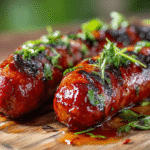
Authentic homemade merguez sausage featuring bold North African spices, aromatic harissa, and tender lamb. This spicy sausage is perfect for grilling and beats store-bought versions every time.
- Prep Time: 30 minutes
- Cook Time: 15 minutes
- Total Time: 45 minutes
- Yield: 12 sausage links
- Category: Main Course
- Method: Grilling
- Cuisine: North African
Ingredients
2 teaspoons (6 g) whole cumin seed
2 teaspoons (6 g) whole coriander seed
2 teaspoons (6 g) whole fennel seed
2 tablespoons (14 g) paprika
2 tablespoons (18 g) Diamond Crystal kosher salt, plus more to taste
1 teaspoon (3 g) cayenne pepper
3 pounds (1.4 kg) lamb shoulder, cut into 3/4-inch cubes, gristle removed
1 pound (455 g) lamb, beef, or pork fat, cut into 3/4-inch cubes
2 tablespoons freshly minced garlic (about 6 medium cloves; 25 g)
1/3 cup (75 g) harissa
1/3 cup (80 ml) ice water
Lamb casings, soaked in warm water for 30 minutes
Instructions
1. Toast cumin, coriander, and fennel seeds in a cast iron skillet over medium heat until fragrant, about 2 minutes. Grind in spice grinder to fine powder. Mix with paprika, salt, and cayenne.
2. Place lamb cubes and fat in large bowl. Add spice mixture, minced garlic, and harissa. Toss thoroughly to coat. Refrigerate for 20 minutes until chilled.
3. Grind seasoned meat and fat mixture through meat grinder fitted with small die into a bowl set over ice to keep cold.
4. Transfer ground mixture to stand mixer with paddle attachment. Mix on low speed for 1 minute. Add ice water and mix until incorporated and sticky, about 1 minute more.
5. Form small test patty and cook in frying pan over medium-high heat. Taste and adjust seasonings in remaining mixture if needed. Refrigerate mixture while testing.
6. Stuff sausage mixture into prepared lamb casings and twist into 6-inch links. Refrigerate until ready to cook.
7. Grill over medium-high direct heat until sausages reach internal temperature of 155°F, turning occasionally. Let rest 5 minutes before serving.
Notes
Keep all ingredients and equipment cold throughout the process for best texture.
Toasting whole spices fresh creates significantly better flavor than pre-ground spices.
Adjust cayenne and harissa quantities to control heat level.
Frozen uncooked links keep for up to 3 months.
Can be cooked on grill, in frying pan, oven at 375°F, or air fryer at 380°F.