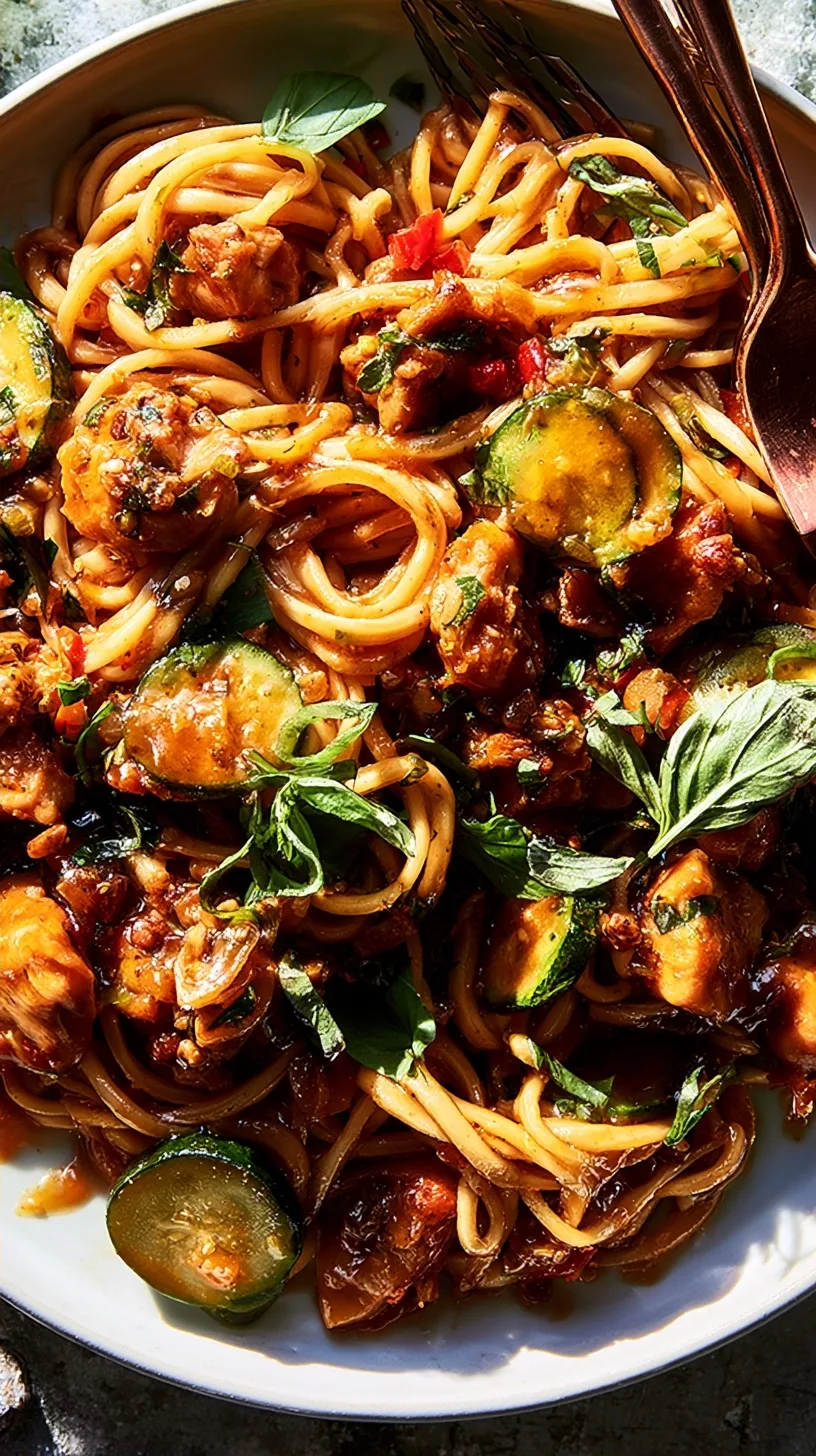
Sticky Garlic Chicken Noodles are a vibrant Asian-inspired stir-fry featuring tender chicken, wide rice noodles, and a glossy, aromatic garlic sauce. This dish offers the perfect balance of sweet and savory notes while providing a satisfying chew from the rice noodles. By using pantry staples like tamari and sweet chili sauce, you can create a restaurant-quality meal that rivals your favorite takeout spot in under half an hour. This specific preparation focuses on high-heat searing and a deliberate sauce reduction to ensure every strand of noodle is perfectly coated.
Recipe Overview
| Prep Time | Cook Time | Total Time | Servings | Difficulty | Cuisine | Category | Calories |
|---|---|---|---|---|---|---|---|
| 10 Mins | 20 Mins | 30 Mins | 4 | Easy | Asian-Inspired | Main Course | 545 |
Why This Recipe Works
As a professional recipe developer, I find that these Sticky Garlic Chicken Noodles succeed primarily because of the contrast between the crispy chicken and the silky, wide rice noodles. Tossing the chicken in a light coating of flour or cornstarch before searing creates a golden crust that traps juices inside while providing a surface for the sauce to cling to. The addition of salted butter during the final stages of cooking the chicken introduces a rich, velvety mouthfeel that oil alone cannot replicate.
The flavor profile relies on the strategic use of sweet Thai chili sauce and sushi ginger to provide a complex base without requiring dozens of obscure ingredients. These components provide acidity, heat, and sweetness in a single pour, making the cooking process efficient for busy home cooks. Using tamari instead of standard soy sauce provides a deeper umami flavor and keeps the dish accessible for those avoiding gluten, provided your noodle choice aligns with those needs.
Ingredients
| Ingredient | Quantity | Purpose | Substitutions |
|---|---|---|---|
| Wide Rice Noodles | 8 oz | Main starch and texture | Fettuccine or Pad Thai noodles |
| Tamari/Soy Sauce | 1/3 cup + 1 tbsp | Salty umami base | Coconut aminos |
| Sweet Thai Chili Sauce | 1/4 cup | Sweetness and mild heat | Honey with a dash of Sriracha |
| Toasted Sesame Oil | 2 tbsp | Nutty aroma | Peanut oil (less flavor) |
| Rice Vinegar | 2 tbsp | Bright acidity/tang | Apple cider vinegar |
| Sushi Ginger | 1 tbsp | Zesty, pickled bite | Fresh grated ginger |
| Chicken Thighs/Breasts | 1 lb | Main protein | Thinly sliced beef or tofu |
| Salted Butter | 3 tbsp | Fat for searing and gloss | Ghee or avocado oil |
| Thai Basil | 1 cup | Herbal freshness | Regular Italian basil or mint |
Step-by-Step Instructions
Noodle and Sauce Preparation
- Cook the wide rice noodles in boiling water according to the specific package directions until just tender.
- Drain the noodles immediately and rinse with cool water to prevent overcooking and sticking.
- Whisk together 1/3 cup tamari, sweet Thai chili sauce, rice vinegar, sesame oil, chopped sushi ginger, and chili flakes in a medium bowl.
- Stir in 1/4 cup of water to the sauce mixture to ensure there is enough liquid to coat the noodles later.
Searing the Protein and Aromatics
- Toss the sliced chicken pieces with the flour or cornstarch in a large bowl until evenly coated.
- Melt 2 tablespoons of salted butter in a large skillet over medium-high heat until bubbling.
- Sear the chicken in a single layer for approximately 5 minutes until the exterior is golden and crispy.
- Add the remaining 1 tablespoon of butter, 1 tablespoon of tamari, and the garlic to the skillet.
- Cook for 60 seconds until the garlic is fragrant, then transfer the chicken to a clean plate.
Stir-Frying and Finishing
- Add the sliced shallot, bell peppers, and scallions to the same skillet used for the chicken.
- Sauté the vegetables for 5 minutes until they soften slightly but retain a vibrant color.
- Return the chicken to the pan and pour in the prepared sauce and the cooked noodles.
- Toss the mixture continuously for 3 to 5 minutes until the sauce reduces into a thick, sticky glaze.
- Fold in half of the chopped Thai basil and remove the skillet from the heat source.
- Serve the noodles in bowls, garnishing with the remaining basil and toasted sesame seeds.
Chef Tips for Perfect Results
- Avoid overcooking the rice noodles during the initial boil as they will continue to soften once added to the hot sauce in the skillet.
- Pat the chicken thighs dry with a paper towel before tossing them in flour to ensure a truly crispy texture.
- Use a cast iron skillet or a heavy-bottomed wok to maintain consistent heat when searing the protein and vegetables.
- Prepare all vegetables and sauce components before starting the stove because the stir-fry process moves very quickly.
- Stir the sauce well before pouring it into the pan to reintegrate any settled chili flakes or ginger bits.
Common Mistakes to Avoid
Adding cold noodles to the pan can result in a gummy texture. To fix this, ensure your noodles are at room temperature or slightly warm before tossing with the sauce. Crowding the skillet during the chicken searing phase will steam the meat instead of browning it. If you have a small pan, cook the chicken in two separate batches to maintain high heat.
Neglecting to rinse the rice noodles after draining can lead to them clumping together into a single mass. A quick rinse with cold water removes excess surface starch and stops the cooking process instantly. Burning the garlic is another frequent error that causes bitterness in the final dish. Always add the garlic during the final minute of the chicken sear to protect its delicate flavor.
Variations and Substitutions
| Ingredient | Substitution | Flavor Impact | Best Use |
|---|---|---|---|
| Chicken | Large Shrimp | Briny and light | Summer dinners |
| Rice Vinegar | Lime Juice | Sharp and citrusy | Thai-inspired flavor |
| Bell Peppers | Snap Peas | Extra crunch | Vegetable-heavy meals |
| Thai Basil | Fresh Cilantro | Earthier note | When basil is out of season |
Serving Suggestions and Pairings
Sticky Garlic Chicken Noodles are a complete meal on their own, but they pair exceptionally well with a side of smashed cucumber salad. The cooling effect of the cucumbers balances the warmth of the chili flakes and the richness of the butter-garlic sauce. For a larger spread, consider serving these noodles alongside steamed bok choy or roasted broccoli seasoned with a touch of sesame oil and salt.
For beverages, a crisp sparkling water with a squeeze of lime or an iced green tea provides a refreshing contrast to the savory notes. If you are hosting a dinner, these noodles look beautiful served on a large platter family-style. This encourages guests to help themselves to the extra sauce and crispy bits at the bottom of the pan.
Storage and Reheating
| Method | Duration | Instructions | Best Result |
|---|---|---|---|
| Refrigerator | 3-4 Days | Store in an airtight glass container. | Standard quality kitchen storage |
| Microwave | 2 Minutes | Sprinkle with 1 tsp water and cover. | Best for quick office lunches |
| Stovetop | 5 Minutes | Reheat in a skillet with a splash of broth. | Restores the glossy sauce texture |
Nutritional Information
| Nutrient | Amount per Serving |
|---|---|
| Protein | 28g |
| Fat | 22g |
| Carbohydrates | 58g |
| Fiber | 3g |
| Sodium | 1450mg |
Note: Approximate values based on standard 1-pound chicken yield.
Frequently Asked Questions
Can I use frozen chicken for this recipe?
Yes, you can use frozen chicken as long as it is fully thawed and patted dry before slicing. Thawing ensures the flour coating sticks properly and the meat sears rather than boils in the pan. Avoid cooking directly from frozen as it will release too much moisture and ruin the sticky texture.
How do I prevent the rice noodles from breaking?
Prevent rice noodles from breaking by undercooking them slightly during the initial boil and using a gentle tossing motion with tongs. Wide rice noodles are delicate, so avoid aggressive stirring once they are in the skillet. If they seem too dry or brittle, add a tablespoon of water or broth to loosen them up.
Is there a substitute for sushi ginger?
You can substitute sushi ginger with one tablespoon of freshly grated ginger and a teaspoon of rice vinegar. This combination provides a similar zingy heat, although it lacks the distinct sweetness of the pickled version. If you use fresh ginger, add it to the skillet with the garlic to soften its sharp bite.
Can I make this dish ahead of time for meal prep?
This dish works well for meal prep, though the noodles will naturally absorb more sauce as they sit in the fridge. To refresh the flavor, add a small splash of water or tamari before reheating to restore the glossy consistency. Storing the extra fresh basil separately and adding it after reheating will keep the flavors bright.
What is the best way to achieve very crispy chicken?
High heat and sufficient fat are the keys to achieving perfectly crispy chicken in a home kitchen. Ensure the butter is hot and shimmering before adding the floured chicken pieces and do not move them for the first two minutes. This allows a crust to form properly before you flip the pieces for even browning.
Conclusion
Mastering Sticky Garlic Chicken Noodles allows you to enjoy a bold, savory, and professional-tasting meal with minimal cleanup. The combination of crispy seared chicken, aromatic garlic, and the unique addition of salted butter creates a depth of flavor that is truly exceptional. Whether you are cooking for a busy family or prepping lunches for the week, this recipe delivers consistent results every time. Enjoy the perfect balance of heat and sweetness in every bite of these decadent Sticky Garlic Chicken Noodles.
PrintSticky Garlic Chicken Noodles
A vibrant Asian-inspired stir-fry with tender chicken, wide rice noodles, and a glossy garlic sauce. Balanced sweet-savory flavors come from tamari, sweet chili sauce, and rice vinegar, all cooked in under 30 minutes for a quick weeknight dinner.
- Prep Time: 10
- Cook Time: 20
- Total Time: 30
- Yield: 4 servings
- Category: Dinner
- Method: Stir-fry/Steaming
- Cuisine: Asian-Inspired
- Diet: Halal
Ingredients
Boneless chicken thighs (1.5 lbs, cubed)1/4 c cornstarch
1/3 c tamari (or coconut aminos)
1 tbsp tamari
1/4 c sweet Thai chili sauce (or 2 tbsp honey + 1 tsp Sriracha)
2 tbsp toasted sesame oil (or peanut oil)
2 tbsp rice vinegar (or apple cider vinegar)
8 oz wide rice noodles
1 tbsp sushi ginger (finely grated)
2 tbsp unsalted butter
Instructions
Pat chicken dry and toss with 1/4 c cornstarch. Heat 1 tbsp sesame oil in a wok; sear chicken until golden (6-8 mins). Transfer to plate.
In same pan, stir tamari, sweet chili sauce, vinegar, remaining 1 tbsp cornstarch, and ginger. Add 1 tbsp oil, simmer until glossy (3-4 mins). Cook noodles in boiling water until al dente (3-4 mins).
Reduce sauce to 1/3 and return chicken. Stir in butter. Toss noodles with sauce; serve warm with cucumber, peanut, or soy-glazed veggie garnish.
Notes
Substitute rice noodles with fettuccine or pad Thai noodles
Replace tamari with coconut aminos for gluten-conscious diets
Use chicken if thighs are unavailable (bone-in for extra juiciness)
Omit ginger for halal/non-spicy version
Protein alternate: shrimp, tofu, or beef strips