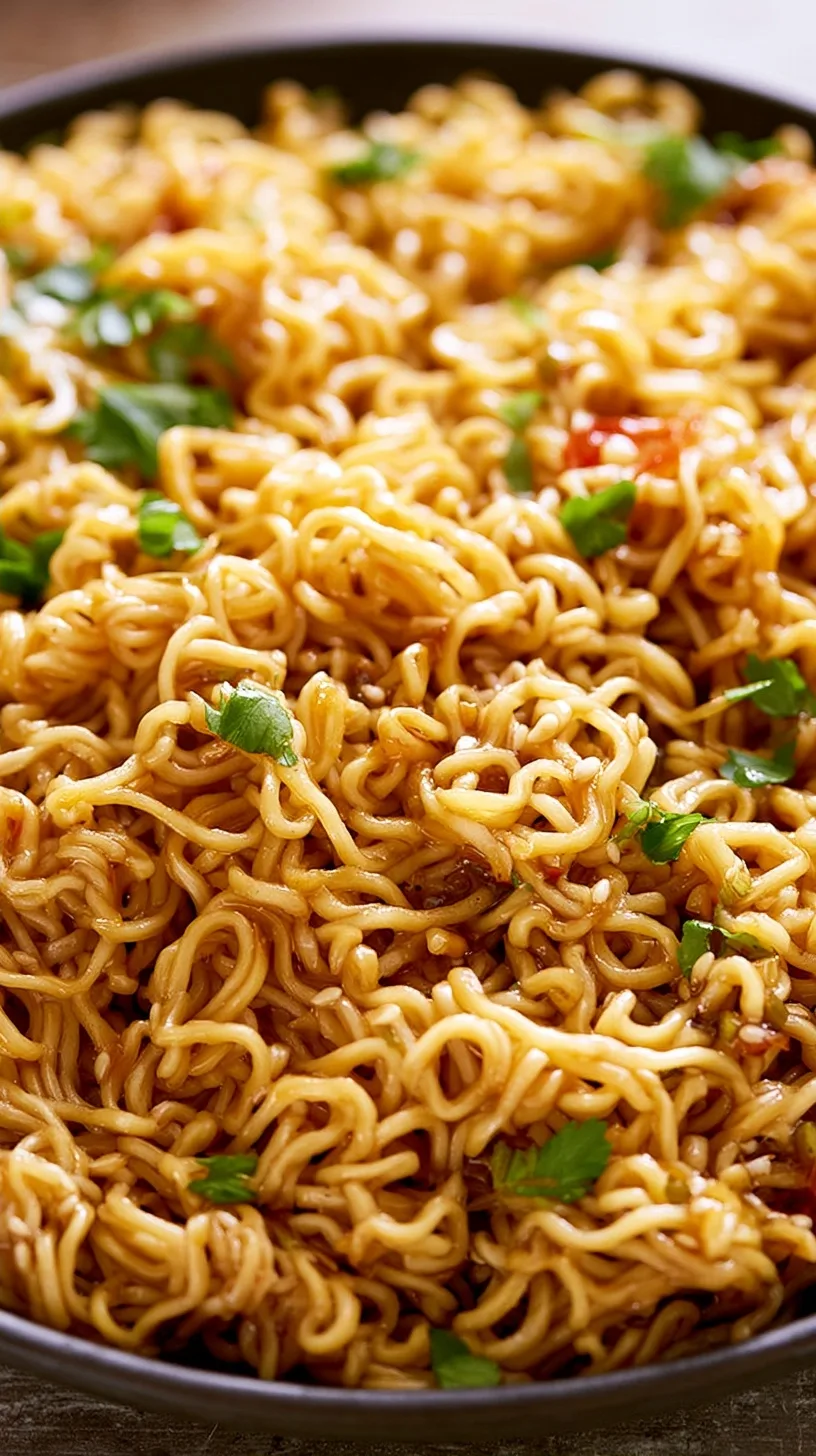
Sesame Garlic Ramen Noodles are a fast, flavorful, and incredibly satisfying upgrade to traditional instant noodles that utilize a savory homemade sauce instead of pre-packaged seasoning. This Sesame Garlic Ramen Noodles recipe combines the nutty depth of toasted sesame oil with the aromatic punch of fresh garlic and a touch of spicy sriracha. It serves as a perfect solution for busy weeknights when you need a high-quality meal on the table in under ten minutes. By skipping the salty powder packets, you take control of the ingredients and create a dish that tastes like a professional stir-fry from your favorite noodle shop.
| Prep Time | Cook Time | Total Time | Servings | Difficulty | Cuisine | Category | Calories |
|---|---|---|---|---|---|---|---|
| 2 Mins | 8 Mins | 10 Mins | 2 | Easy | Asian-Fusion | Main Course | 395 |
Why This Recipe Works
This recipe succeeds because it balances the five essential flavor profiles including salt, heat, sweetness, acidity, and fat with minimal effort. I focus on using high-quality fats like toasted sesame oil which provides a rich base that instantly elevates the inexpensive wheat noodles. The fresh garlic is gently sautéed to remove its raw bite while infusing the oil with a savory complexity that dried powders cannot replicate. Because the noodles have a high surface area, the emulsified sauce clings to every strand for a consistent flavor in every single bite.
Home cooks love this dish because it utilizes pantry staples to create a luxury experience on a budget. You likely already have soy sauce, sugar, and oil in your cupboard, meaning you are only minutes away from a hot meal. The texture of the curly ramen noodles provides a nostalgic chewiness that pairs perfectly with the slick, glossy sauce. It is a versatile foundation that works as a stand-alone lunch or a base for added vegetables and proteins like tofu or soft-boiled eggs.
Ingredients
| Ingredient | Quantity | Purpose | Substitutions |
|---|---|---|---|
| Ramen Noodles | 2 (3oz) Packs | Provides the chewy, curly carbohydrate base. | Udon or Rice Noodles |
| Sesame Oil | 2 Teaspoons | Adds a toasted, nutty aroma and silkiness. | Peanut Oil or Avocado Oil |
| Fresh Garlic | 2 Cloves | Delivers the primary aromatic and savory bite. | 1/2 tsp Garlic Powder |
| Low Sodium Soy Sauce | 1/4 Cup | Adds saltiness and deep umami color. | Tamari or Coconut Aminos |
| Brown Sugar | 1 Teaspoon | Balances the salt and spice with sweetness. | Honey or Maple Syrup |
| Sriracha Sauce | 2 Teaspoons | Introduces a gentle heat and vinegary tang. | Chili Garlic Sauce |
Step-by-Step Instructions
Preparing the Noodles
- Boil a medium pot of water and cook the two packages of ramen noodles according to the package instructions until they reach an al dente texture.
- Discard the silver or gold seasoning packets immediately to avoid excess sodium and chemical additives.
- Drain the noodles thoroughly in a colander and set them aside while you prepare the sauce.
Crafting the Garlic Sesame Sauce
- Place a small skillet or saucepan over medium heat and add the two teaspoons of sesame oil.
- Add the minced garlic to the hot oil and cook for precisely two minutes, stirring constantly to prevent burning.
- Remove the pan from the heat source to prevent the garlic from over-browning and becoming bitter.
- Whisk in the low-sodium soy sauce, brown sugar, and sriracha until the sugar has completely dissolved.
- Add the drained noodles to the skillet and toss vigorously with tongs until every strand is coated in the dark, glossy sauce.
- Garnish with freshly sliced green onions or toasted sesame seeds if you desire extra crunch and freshness.
Chef Tips for Perfect Results
- Under-cook your ramen by about thirty seconds because the noodles will continue to soften slightly once they hit the warm sauce.
- Use low-sodium soy sauce to ensure the dish is savory without being overwhelmingly salty for the average palate.
- Mince your garlic fresh rather than using the pre-jarred variety to achieve a much cleaner and more potent aromatic profile.
- Whisk the sauce off the heat to emulsify the oil and soy sauce properly without evaporating the liquids too quickly.
- Rinse your noodles briefly with cold water after draining if you are not ready to toss them in the sauce immediately to prevent sticking.
Common Mistakes to Avoid
Overcooking the garlic is the most frequent error which results in a bitter, acrid taste that ruins the delicate sesame flavor. To fix this, always keep your heat at medium and stay at the stove to stir constantly until the garlic looks pale gold. Another mistake is using the full-sodium soy sauce which often makes the ramen nearly inedible due to the concentration of the noodles. If you only have regular soy sauce, dilute it with a tablespoon of water or a splash of lime juice.
Adding the noodles while they are still dripping with water can dilute your sauce and prevent it from clinging to the starch. Ensure you shake the colander well to remove all excess moisture before combining the components. Finally, many cooks forget to remove the pan from the heat before adding the sugar and sriracha. The residual heat is plenty to melt the sugar, while direct flame might cause the sauce to reduce too much and become sticky rather than silky.
Variations and Substitutions
| Ingredient | Substitution | Flavor Impact | Best Use |
|---|---|---|---|
| Soy Sauce | Liquid Aminos | Slightly sweeter and gluten-free. | Celiac-friendly diets. |
| Sriracha | Red Pepper Flakes | Cleaner heat without the garlic/vinegar. | When sriracha is out of stock. |
| Brown Sugar | Honey | Floral notes and thicker glaze. | Crispy noodle stir-fries. |
| Ramen | Rice Noodles | Lighter texture and gluten-free. | Summer noodle salads. |
Serving Suggestions and Pairings
These Sesame Garlic Ramen Noodles function as a versatile canvas for a variety of side dishes and toppings commonly found in American kitchens. For a complete meal, consider adding a protein such as pan-seared tofu, grilled chicken breast, or a soft-boiled egg seasoned with furikake. You can find excellent guides on soft-boiled eggs to ensure the yolk remains jammy and rich. Steamed broccoli or sautéed bok choy provides a crisp, green contrast to the soft noodles.
If you are serving this for a gathering, pair it with a crisp cucumber salad dressed in rice vinegar or crispy vegetable spring rolls. For drinks, a cold unsweetened green tea or a sparkling lime water helps cleanse the palate between spicy, savory bites. This dish is especially popular as a late-night snack or a quick lunch for students and busy professionals who value flavor over complex preparation.
Storage and Reheating
| Method | Duration | Instructions | Best Result |
|---|---|---|---|
| Refrigerator | 3 Days | Store in an airtight glass container. | Keeps noodles moist. |
| Microwave | 2 Minutes | Add one teaspoon of water and cover loosely. | Steam helps loosen the sauce. |
| Stovetop | 4 Minutes | Reheat in a skillet with a splash of broth. | Restores the glossy texture. |
Nutritional Information
| Nutrient | Amount per Serving |
|---|---|
| Calories | 395 kcal |
| Total Fat | 14g |
| Saturated Fat | 5g |
| Sodium | 1150mg |
| Total Carbohydrates | 58g |
| Protein | 9g |
| Sugar | 4g |
Approximate values.
Frequently Asked Questions
Can I make these noodles ahead of time?
You can prepare the noodles and sauce ahead of time, but for the best texture, store them separately and combine just before serving. If mixed ahead, the noodles tend to absorb all the sauce, which may require you to add a splash of water during reheating. This dish is truly best when eaten immediately after the noodles are tossed in the fresh garlic oil.
Is it possible to make this recipe gluten-free?
Yes, you can easily make this gluten-free by swapping the wheat ramen for brown rice ramen or glass noodles. You must also ensure you use certified gluten-free tamari or liquid aminos in place of the standard soy sauce. Most sriracha brands are naturally gluten-free, but always check the label to be certain for your dietary needs.
How do I make the noodles less spicy?
To reduce the heat level, simply decrease the amount of sriracha to half a teaspoon or omit it entirely from the whisking step. The garlic and sesame oil will still provide plenty of aromatic flavor without the capsaicin burn. You can always add a pinch of black pepper at the end for a different kind of mild warmth.
What are the best vegetables to add to this dish?
Snap peas, shredded carrots, and bell peppers are excellent choices that provide a satisfying crunch to the soft noodles. I recommend sautéing these vegetables in the sesame oil for a few minutes before you add the garlic to the pan. This ensures the vegetables are cooked through while maintaining their vibrant colors and vitamins.
Why should I discard the seasoning packet?
Discarding the seasoning packet allows you to avoid high levels of MSG, artificial flavorings, and excessive sodium found in commercial ramen brands. By creating your own sauce with sesame oil and fresh garlic, you achieve a much more sophisticated and gourmet flavor profile. This DIY approach makes the meal feel intended and refined rather than a last-resort snack.
Conclusion
Learning how to make Sesame Garlic Ramen Noodles at home is a game-changer for anyone who appreciates fast, bold flavors without the need for takeout. This recipe proves that humble pantry items can transform into a stunning meal that rivals expensive noodle bars. By mastering the simple technique of building a garlic-infused oil base, you can customize your lunch with endless toppings or keep it simple and classic. Experience the perfect harmony of toasted sesame, savory soy, and spicy sriracha today in every glossy, garlic-coated bite.
PrintSesame Garlic Ramen Noodles
A fast, flavorful upgrade to instant noodles with a homemade sesame-garlic sauce. Quick and satisfying, this ramen is perfect for weeknight meals with a gourmet touch.
- Prep Time: 2
- Cook Time: 8
- Total Time: 10
- Yield: 2 servings
- Category: Dinner
- Method: Stir-Fry
- Cuisine: Asian-Fusion
- Diet: Vegetarian
Ingredients
2 (3oz) packs ramen noodles
2 teaspoons toasted sesame oil
2 cloves fresh garlic, minced
1/4 cup low sodium soy sauce
1 tablespoon brown sugar
1 teaspoon sriracha (optional)
Instructions
Boil ramen noodles according to package instructions. Sauté garlic in sesame oil until fragrant (1 minute). Mix in soy sauce, brown sugar, and sriracha; cook 30 seconds to dissolve sugar. Toss the sauce with cooked noodles until glossy and evenly coated.
Notes
Use udon or rice noodles as a substitute for ramen. Adjust spice level with more/less sriracha. Add steamed bok choy or tofu for extra protein. For halal compliance, ensure all soy sauce brands are alcohol-free.