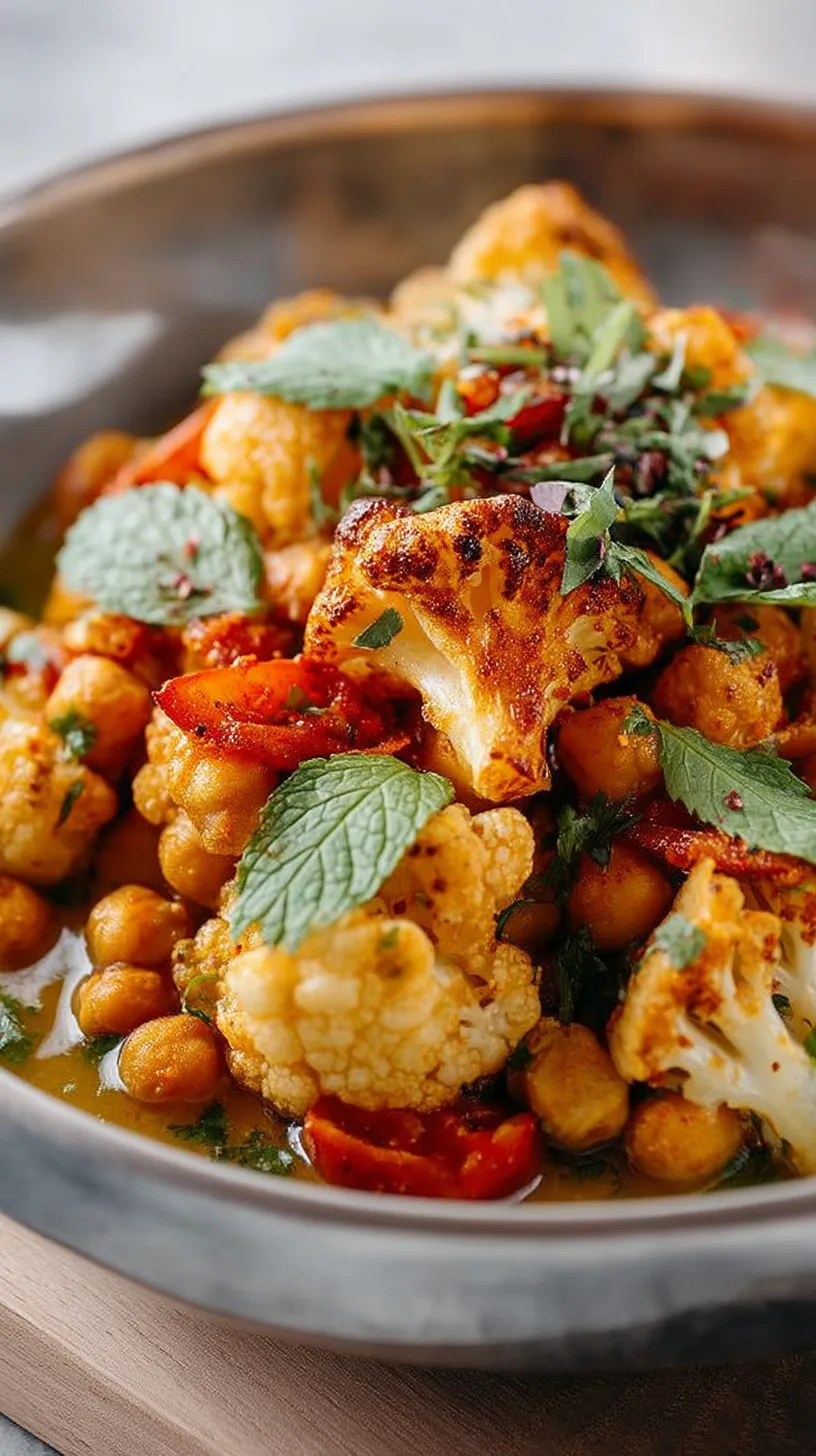
Indian-Spiced Cauliflower and Chickpea Stew is a hearty, plant-based meal that combines protein-rich legumes with tender vegetables in a warming, aromatic sauce. This recipe utilizes convenient frozen cauliflower and pre-made simmer sauce to deliver authentic flavors in under twenty minutes. It serves as an excellent weeknight dinner for busy American families looking for nutritious, meat-free alternatives that do not sacrifice depth or satisfaction. By balancing the earthy notes of turmeric and cumin with the acidity of fresh tomatoes, this stew provides a complete sensory experience that rivals long-simmered traditional curries.
As a professional recipe developer, I focused on creating a dish that bridges the gap between artisanal cooking and modern convenience. This stew relies on the quality of a jarred simmer sauce, which acts as a complex flavor base, while fresh ginger and garlic provide the bright top notes necessary for a restaurant-quality finish. The addition of canned chickpeas ensures a high fiber content, making it a filling standalone dish or a perfect companion to fluffy basmati rice. Whether you are a veteran of Indian cuisine or a newcomer to these spices, this recipe offers a foolproof path to a bold, comforting meal.
| Prep Time | Cook Time | Total Time | Servings | Difficulty | Cuisine | Category | Calories |
|---|---|---|---|---|---|---|---|
| 10 Mins | 15 Mins | 25 Mins | 6 Servings | Easy | Indian-Inspired | Main Dish | 285 kcal |
Why This Recipe Works
This Indian-Spiced Cauliflower and Chickpea Stew works because it maximizes efficiency through the smart use of frozen and canned staples without losing the integrity of fresh ingredients. Frozen cauliflower is a secret weapon in this recipe because it is already blanched, meaning it reaches the perfect fork-tender consistency in a fraction of the time required for fresh heads. The chickpeas provide a firm, nutty contrast to the softening vegetables, creating a multi-tonal texture that keeps every bite interesting and satisfying for both vegetarians and meat-eaters alike.
From an expert perspective, the layering of aromatics is what truly elevates this dish from a simple pot of vegetables to a structured meal. Starting with a base of sautéed onions and garlic allows the natural sugars to caramelize, adding a foundational sweetness that balances the heat of the simmer sauce. By adding fresh tomatoes late in the process, you preserve some of their bright acidity, which cuts through the richness of the coconut or cream-based sauces typically found in Indian cooking. This balance of sweet, heat, and acid is the hallmark of professional-grade vegetarian cooking.
Finally, the versatility of this stew makes it a staple for meal prep and diverse dietary needs. It is naturally gluten-free and can easily be made vegan depending on your choice of simmer sauce, such as a Jalfrezi or Rogan Josh. Because the flavors actually deepen as they sit, the leftovers often taste even better the following day. For those tracking nutrition, it provides a high volume of food with a relatively low caloric density, making it a practical choice for weight-conscious diners who refuse to compromise on flavor.
Ingredients
| Ingredient | Quantity | Purpose | Substitutions |
|---|---|---|---|
| Olive Oil | 1 tbsp | Sautéing aromatics | Avocado oil or Ghee |
| Medium Onion | 1 unit | Base flavor and sweetness | Yellow or White onion |
| Garlic Cloves | 2 cloves | Pungency and depth | 1 tsp Garlic powder |
| Frozen Cauliflower | 32 oz | Main vegetable bulk | Fresh cauliflower florets |
| Canned Chickpeas | 28 oz | Plant protein and texture | Cooked dry chickpeas |
| Ripe Tomatoes | 3 medium | Freshness and acidity | 14 oz Canned petite diced |
| Indian Simmer Sauce | 12-16 oz | Main flavor profile | Tikka Masala or Korma sauce |
| Curry Powder | 1 tsp | Color enhancement | Turmeric or omit |
| Minced Ginger | 1 tbsp | Zesty brightness | Fresh grated ginger root |
| Fresh Cilantro | 1/4 cup | Garnish and herby finish | Flat-leaf parsley or basil |
Step-by-Step Instructions
- Sauté the onion base. Heat the olive oil in a large soup pot over medium heat and add the finely chopped onion. Stir frequently for about five minutes until the onion becomes translucent and soft.
- Bloom the garlic. Add the minced garlic to the pot and continue to sauté for another minute or two. Stop when both the garlic and onion achieve a light golden color and fragrance.
- Combine main ingredients. Add the thawed cauliflower florets, rinsed chickpeas, chopped tomatoes, and the entire jar of simmer sauce to the pot. Pour in 1/2 cup of water to thin the sauce slightly for even cooking.
- Incorporate optional spices. Stir in the minced ginger and curry powder if you are using them for extra depth and color. These extra spices help reinforce the flavors already present in the pre-made sauce.
- Simmer the stew. Bring the liquid to a rapid simmer over medium-high heat. Once bubbling, reduce the heat to medium-low and cook for 5 to 8 minutes until the vegetables are heated through.
- Adjust seasoning. Taste the stew carefully and add salt and freshly ground pepper as needed. The amount of salt required will depend heavily on the sodium content of your specific simmer sauce brand.
- Finish with herbs. Stir in the freshly chopped cilantro or sliced basil leaves just before serving. This final addition ensures the herbs remain vibrant in color and flavor.
- Dish and serve. Ladle the hot stew into shallow bowls. You can serve it as a standalone soup or spoon it over a bed of warm grains.
Chef Tips for Perfect Results
- Ensure you thoroughly drain and rinse the chickpeas to remove the metallic taste often associated with the canning liquid.
- Choose a high-quality, glass-jarred simmer sauce from a reputable brand for the most authentic spice profile.
- Check the cauliflower for excess moisture after thawing; patting the florets dry helps the sauce cling better to the vegetables.
- Avoid overcooking the stew once it reaches a simmer, as the cauliflower can quickly turn mushy if left on the heat too long.
- If the sauce appears too thick after five minutes of simmering, add an extra splash of water or vegetable broth.
Common Mistakes to Avoid
Adding the garlic too early is a frequent error that leads to a bitter taste throughout the stew. Garlic cooks much faster than onions and will burn if sautéed for more than two minutes. To fix this, always wait until the onions are soft and translucent before introducing the minced garlic to the oil.
Using unthawed frozen cauliflower can lead to a watery sauce and uneven temperatures in the final dish. When frozen vegetables melt directly in the sauce, they release water that dilutes the spices. Thaw the cauliflower in the refrigerator overnight or use the defrost setting on your microwave before adding it to the pot.
Neglecting to taste for salt before serving is a missed opportunity for flavor enhancement. Simmer sauces vary wildly in salt content, and the addition of chickpeas and cauliflower usually requires extra seasoning. Always perform a final taste test to ensure the spices are popping and the salt levels are balanced.
Forgetting to rinse the chickpeas can introduce unwanted starch and preservatives into the delicate simmer sauce. The liquid in the can, known as aquafaba, has a distinct flavor that might clash with the Indian spices. Simply pouring the beans into a colander and running them under cold water for thirty seconds solves this issue immediately.
Variations and Substitutions
| Ingredient | Substitution | Flavor Impact | Best Use |
|---|---|---|---|
| Chickpeas | Red Lentils | Earthier and softer | High-protein thick stew |
| Cauliflower | Diced Potatoes | Starchy and filling | Hearty winter meals |
| Simmer Sauce | Coconut Milk + Curry Paste | Creamier and richer | Dairy-free/Vegan diets |
| Water | Vegetable Broth | Saltier and more savory | Boosting overall depth |
Serving Suggestions and Pairings
The most traditional way to serve this Indian-Spiced Cauliflower and Chickpea Stew is over a bed of aromatic basmati rice. For a healthier alternative, try quinoa or brown rice, which provides a nutty flavor that complements the chickpeas. If you prefer a lower-carb option, this stew is hearty enough to be eaten as a standalone dish in a large bowl with a side of steamed spinach.
No Indian-inspired meal is complete without a side of warm bread like garlic naan or pita. You can use the bread to scoop up the extra sauce, ensuring not a single drop of the spiced gravy goes to waste. A dollop of plain Greek yogurt or a cooling cucumber raita on top of the stew can also help manage the heat if you choose a spicy simmer sauce.
For a complete dinner party menu, pair this stew with a crisp side salad featuring a lemon-tahini dressing to provide a bright contrast. For beverages, an iced mango lassi or a simple ginger-infused sparkling water works beautifully to cleanse the palate between bites. These additions create a restaurant-style experience right in your American home kitchen.
Storage and Reheating
| Method | Duration | Instructions | Best Result |
|---|---|---|---|
| Refrigerator | 4-5 Days | Store in an airtight glass container. | Excellent flavor development. |
| Freezer | 3 Months | Freeze in portions with 1 inch of headspace. | Slightly softer cauliflower. |
| Stovetop Reheat | 5-7 Mins | Heat on low with a splash of water. | Preferred for texture. |
| Microwave | 2-3 Mins | Heat on high, stirring halfway through. | Fast and convenient. |
Nutritional Information
| Nutrient | Amount per Serving |
|---|---|
| Calories | 285 kcal |
| Total Fat | 9g |
| Protein | 11g |
| Carbohydrates | 42g |
| Fiber | 12g |
| Sodium | 780mg |
Approximate values per serving based on standard commercial ingredients.
Can I use fresh cauliflower instead of frozen?
Yes, you can absolutely use a fresh head of cauliflower by cutting it into small bite-sized florets. Note that fresh cauliflower will require a longer simmering time of approximately 12 to 15 minutes to become tender. You may also need to add an extra 1/4 cup of water to prevent the sauce from drying out during the extended cook time.
How do I know when the stew is finished cooking?
The stew is finished when the cauliflower is tender enough to be pierced easily with a fork and the sauce has thickened slightly. Since the ingredients are already partially cooked or canned, the goal is simply to merge the flavors and reach a piping hot temperature. Visually, the tomatoes should look softened and the sauce should be bubbling gently across the entire surface.
What is the best simmer sauce to use for a mild flavor?
Look for a Korma or Butter Masala simmer sauce if you prefer a mild and creamy flavor profile. These sauces usually contain coconut milk or cream and have a very low heat level suitable for kids or sensitive palates. Always check the label for a heat index rating, which is typically found on the front or back of the jar.
Can this recipe be made ahead of time for meal prep?
This recipe is an ideal candidate for meal prep because the spices continue to infuse the vegetables as they sit in the refrigerator. You can prepare a double batch on Sunday and enjoy it for lunch throughout the week without any loss in quality. Simply store it in individual containers for easy reheating in the microwave at school or the office.
Is it possible to add meat to this cauliflower stew?
While this is designed as a vegetarian dish, you can add diced chicken breast or shrimp if you prefer a meat-based protein. Sauté the chicken along with the onions and garlic until cooked through before adding the remaining ingredients. For shrimp, stir them in during the last three minutes of simmering to prevent them from becoming rubbery and overcooked.
Conclusion
This Indian-Spiced Cauliflower and Chickpea Stew is a testament to how quick and rewarding healthy home cooking can be. By leveraging high-quality pantry staples and aromatic fresh additions, you can serve a nutrient-dense meal that satisfies the soul and the palate. Its balance of hearty chickpeas and tender cauliflower makes it a reliable addition to your weekly rotation. Prepare this dish the next time you crave deep, warm spices and a vegetable-forward dinner that leaves everyone feeling full and nourished. Experience the comforting embrace of toasted spices and garden-fresh tomatoes in every spoonful of this vibrant, golden stew.
PrintIndian-Spiced Cauliflower and Chickpea Stew

A hearty, aromatic stew blending frozen cauliflower, canned chickpeas, and fresh tomatoes with warming spices like turmeric and cumin. Ready in 25 minutes, this plant-based dish balances earthy depth with bright acidity, perfect as a standalone main course or rice companion.
- Prep Time: 10
- Cook Time: 15
- Total Time: 25
- Yield: 6 servings
- Category: dinner
- Method: One-Pan Cooking
- Cuisine: Indian-Inspired
- Diet: Plant-Based
Ingredients
1 (16-oz) package frozen cauliflower florets
1 can (15 oz) chickpeas, drained and rinsed
1 cup fresh tomatoes, diced
2 tbsp olive oil
1 small onion, finely chopped
3 garlic cloves, minced
1 tbsp ground cumin
1 tsp turmeric
1/2 tsp ground coriander
1 jar (24 oz) Indian-spiced vegetable simmer sauce (no added alcohol)
1 tbsp fresh lemon juice
Salt to taste
Fresh cilantro for garnish (optional)
Instructions
Heat olive oil in a large pot over medium heat; sauté onion until softened, about 5 minutes. Add garlic, cumin, turmeric, and coriander, sauté 2 minutes until fragrant.
Pour in the simmer sauce, stir, and add frozen cauliflower. Bring to a gentle simmer.
Stir in drained chickpeas and cook 5 minutes until cauliflower begins to soften.
Add diced tomatoes; cook 5 more minutes until tomatoes break down into the sauce.
Season with lemon juice and salt. Garnish with cilantro before serving.
Notes
Frozen cauliflower reduces prep time and cooks faster than fresh. Use a vegan-friendly jarred sauce to keep this dish fully plant-based. Leftovers store well in glass containers for up to 3 days.