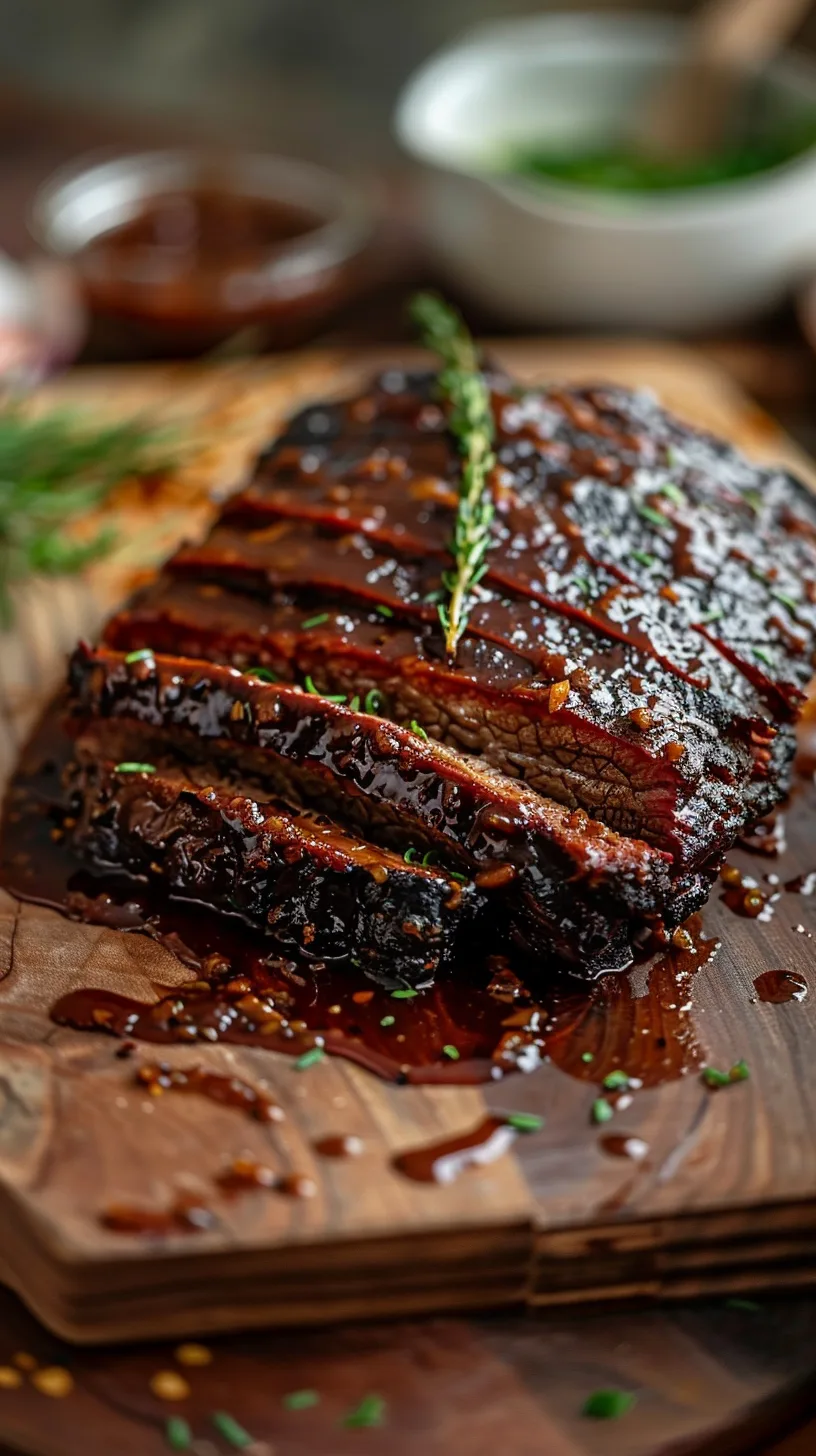
This Smoked Brisket Recipe yields a tender, juicy, and flavor-packed beef roast that serves as the gold standard of American barbecue. By utilizing a low-and-slow cooking method, we transform a tough packer brisket into a succulent masterpiece with a beautiful salt-and-pepper crust. This guide focuses on technique, temperature control, and patience to ensure every slice melts in your mouth without the need for complex additives.
Recipe Overview
| Prep Time | Cook Time | Total Time | Servings | Difficulty | Cuisine | Category | Calories |
|---|---|---|---|---|---|---|---|
| 45 mins | 9 hours | 10 hours | 12-14 | Intermediate | American BBQ | Main Course | 480 kcal |
Why This Recipe Works
This recipe works because it prioritizes the “Texas Trinity” of heat, smoke, and moisture to break down dense connective tissue. By maintaining a steady 225℉ environment, the intramuscular fat renders slowly, which naturally bastes the meat from the inside out. I have refined this method to focus on the essential stall period, ensuring the beef remains lubricated through the crutch phase.
The balance of coarse salt and cracked pepper creates a classic bark that provides a tactile contrast to the buttery interior. Using beef broth during the wrapping stage adds a focused savory depth that enhances the natural beef profile rather than masking it. This approach is accessible for home cooks using pellet grills but produces results comparable to professional smokehouses.
Ingredients
| Ingredient | Quantity | Purpose | Substitutions |
|---|---|---|---|
| Whole Packer Brisket | 12-14 lb | Primary protein and fat source. | Beef Chuck Roast (smaller scale) |
| Jacobsen or Kosher Salt | 1/3 Cup | Dry brines the meat and enhances flavor. | Sea Salt |
| Coarse Black Pepper | 1/3 Cup | Creates the signature spicy BBQ bark. | Table pepper (use 50% less) |
| Garlic Powder | 2 Tablespoon | Adds savory, aromatic depth. | Granulated Garlic |
| Onion Powder | 2 Tablespoon | Contextualizes the beef flavors. | Shallot Powder |
| Paprika | 2 Tablespoon | Provides color and mild sweetness. | Smoked Paprika |
| Chile Powder | 2 Teaspoon | Adds a subtle back-end warmth. | Cayenne (use 1/2 tsp) |
| Beef Broth | 1 1/2 Cup | Steam treats the meat during the wrap. | Water or Apple Juice |
Step-by-Step Instructions
Phase 1: Preparation and Seasoning
- Preheat your smoker to 225℉ with the lid closed for at least 15 minutes and engage the Super Smoke feature if your model supports it.
- Combine the garlic powder, onion powder, paprika, chili pepper, kosher salt, and coarse pepper in a small mixing bowl to create the dry rub.
- Apply the rub generously to all sides of the trimmed brisket, pressing the spices firmly into the meat to ensure they adhere well.
Phase 2: The Initial Smoke
- Place the brisket directly on the grill grate with the fat side facing down to protect the meat from the heat source.
- Smoke the meat undisturbed until it reaches an internal temperature of 160℉, which usually takes between 5 and 6 hours depending on ambient conditions.
- Remove the brisket from the grill once the internal temperature is confirmed and the bark has set into a dark, matte finish.
Phase 3: The Braising Finish
- Lay out a large double layer of heavy-duty aluminum foil and place the brisket in the center.
- Pour the beef broth over the meat and wrap the foil tightly to create a sealed environment that prevents steam from escaping.
- Return the foiled brisket to the smoker and continue cooking until the thickest part of the flat reaches 204℉.
- Take the brisket off the heat, unwrap the foil carefully to avoid steam burns, and let the meat rest for 15 minutes before carving.
- Slice the beef against the grain into pencil-width strips and serve immediately while the internal fats are still fluid.
Chef Tips for Perfect Results
- Trim the fat cap to a uniform quarter-inch thickness to allow the smoke to penetrate while still providing enough protection.
- Use a digital meat thermometer to track the “stall” around 150-160℉ where evaporation cools the meat and prevents internal temperature rise.
- Always slice against the grain by observing the muscle fibers on the raw meat and remembering their direction after it is cooked.
- Keep the smoker lid closed as much as possible because opening it causes temperature fluctuations that extend the total cook time.
- Rest the meat in a dry cooler if you need to hold it for longer than 30 minutes to maintain its internal temperature safely.
Common Mistakes to Avoid
One of the most frequent errors is pulling the meat based on time rather than internal temperature. Every brisket has a unique density and fat content, so you must use a reliable probe to determine when the collagen has fully converted to gelatin. If the meat feels tough, it likely needs more time in the foil to reach that target 204℉ mark.
Neglecting the rest period is another mistake that leads to dry meat. When you slice a brisket immediately after removing it from the heat, the internal juices escape onto the cutting board instead of staying in the fibers. Allow at least 15 minutes of resting to ensure the moisture redistributes throughout the entire roast.
Using finely ground pepper instead of coarse ground pepper will result in a muddy bark. Coarse pepper creates small air pockets and adds a necessary crunch that defines a professional-grade brisket. Avoid over-handling the meat once it is seasoned to prevent the rub from rubbing off before it sets in the smoker.
Variations and Substitutions
| Ingredient | Substitution | Flavor Impact | Best Use |
|---|---|---|---|
| Beef Broth | Black Coffee | Earthier, darker bark. | When looking for a savory, bitter contrast. |
| Chile Powder | Chipotle Powder | Adds a smoky heat. | For those who prefer a spicier finish. |
| Aluminum Foil | Butcher Paper | Crispier bark, less steaming. | Low-humidity environments. |
Serving Suggestions and Pairings
Serve this smoked brisket with traditional Southern sides such as creamy coleslaw, pit-style beans, and jalapeño cornbread. The acidity in pickled red onions or bread-and-butter pickles provides a necessary palate cleanser against the rich, fatty beef. For a complete meal, consider adding a side of smoked mac and cheese or a refreshing potato salad with a mustard base.
For beverages, pair the beef with a bold, unsweetened iced tea or a craft root beer to complement the smoky notes. This recipe is an ideal centerpiece for family gatherings, Fourth of July celebrations, or any weekend where you can dedicate the day to the pit. If you have leftovers, they make incredible sandwiches on toasted brioche buns with a drizzle of your favorite molasses-based BBQ sauce.
Storage and Reheating
| Method | Duration | Instructions | Best Result |
|---|---|---|---|
| Refrigerator | 4 Days | Wrap tightly in plastic wrap or airtight container. | Cold sandwiches or tacos. |
| Freezer | 3 Months | Vacuum seal to prevent freezer burn. | Long-term storage for meal prep. |
| Oven Reheat | 30 Mins | Cover with foil at 250℉ with a splash of broth. | Closest to fresh-off-the-smoker quality. |
Nutritional Information
| Nutrient | Amount per Serving |
|---|---|
| Calories | 480 kcal |
| Protein | 38g |
| Fat | 34g |
| Carbohydrates | 3g |
| Sodium | 820mg |
Approximate values.
Frequently Asked Questions
Can I use a different type of salt for the rub?
Yes, you can use sea salt or standard table salt, but you must adjust the measurements significantly. Table salt has much smaller granules than Jacobsen or Kosher salt, so you should use about half the volume to avoid over-salting the brisket. Coarse salt is generally preferred for its ability to create a thick, textured bark during the long smoking process.
How do I know if the brisket is done without a thermometer?
You can use the “probe tender” test by inserting a wooden skewer or an unheated thermometer probe into the thickest part of the meat. If the probe slides in and out with the consistency of warm butter, the connective tissues have successfully broken down. However, relying on a digital temperature reading of 204℉ is the most accurate way to ensure safety and texture.
What should I do if my brisket gets stuck in the stall?
The best way to push through the stall is to wrap the meat tightly in aluminum foil or butcher paper as we do in this recipe. This technique, known as the Texas Crutch, traps heat and moisture around the meat to prevent evaporative cooling. Do not raise the smoker temperature excessively, as this can dry out the exterior before the interior is ready.
Can I prepare the brisket a day in advance?
You can apply the dry rub and store the brisket in the refrigerator for up to 24 hours before you plan to smoke it. This allows the salt to penetrate deeper into the muscle fibers, acting as a dry brine that improves the final moisture content. Ensure the meat is well-covered to prevent it from absorbing other odors in the fridge.
Why did my brisket turn out dry even though I followed the directions?
Dry brisket often results from either an under-trimmed fat cap or pulling the meat too early before the fats have fully rendered. If the meat is crumbly, it may be overcooked, but if it is tough and hard to chew, it likely needed more time at its target temperature. Ensure your smoker’s thermometer is calibrated correctly, as internal temperatures can vary significantly from the built-in gauge.
Mastering this Smoked Brisket Recipe is a rewarding journey that elevates your backyard barbecue to a professional level. By focusing on the quality of the beef and the precision of the cook, you create a meal that defines the spirit of American cooking. Whether you are hosting a summer party or a cozy family dinner, this brisket provides a savory, tender experience that everyone will remember. Enjoy every bite of that perfectly rendered fat and peppery bark.
PrintSmoked Brisket Recipe: The Ultimate Guide to Perfect BBQ
A tender, juicy, and flavor-packed beef brisket with a salt-and-pepper crust, cooked low-and-slow for melt-in-your-mouth texture. Using the Texas Trinity of heat, smoke, and moisture, this recipe delivers restaurant-quality results for home cooks.
- Prep Time: 45
- Cook Time: 540
- Total Time: 600
- Yield: 12-14 servings
- Category: Dinner
- Method: Smoking
- Cuisine: American BBQ
- Diet: Non-Vegetarian
Ingredients
12-14 lb whole packer brisket
1/3 cup Jacobsen or Kosker Salt
1/3 cup coarse black pepper
2 tablespoons garlic powder
2 tablespoons onion powder
2 tablespoons paprika
2 teaspoons chile powder
1 1/2 cups beef broth
Instructions
Trim excess fat from brisket, keeping 1/4 inch for flavor and moisture
Mix rub: In a bowl, combine salt, pepper, garlic powder, onion powder, paprika, and chile powder
Rub the seasoning mix evenly all over the brisket using a paper towel
Preheat smoker to 225°F (107°C) using oak or hickory wood
Place brisket fat-side up on the smoker rack and smoke for 5-6 hours until internal temperature reaches 160°F (71°C)
Wrap brisket in heavy-duty aluminum foil with 1/2 cup beef broth and return to smoker for 3-4 hours until internal temperature reaches 203°F (95°C)
Let rest for 1 hour, then slice against the grain and serve
Notes
Use a ‘packer brisket’ with both the point and flat cut for maximum flavor
Monitor smoker temperature closely; maintain 225°F (107°C) with insulation wraps if necessary
Substitute beef chuck roast for a smaller-scale version; adjust cooking time by -15% per pound