This post may contain affiliate links. Please read our disclosure policy.
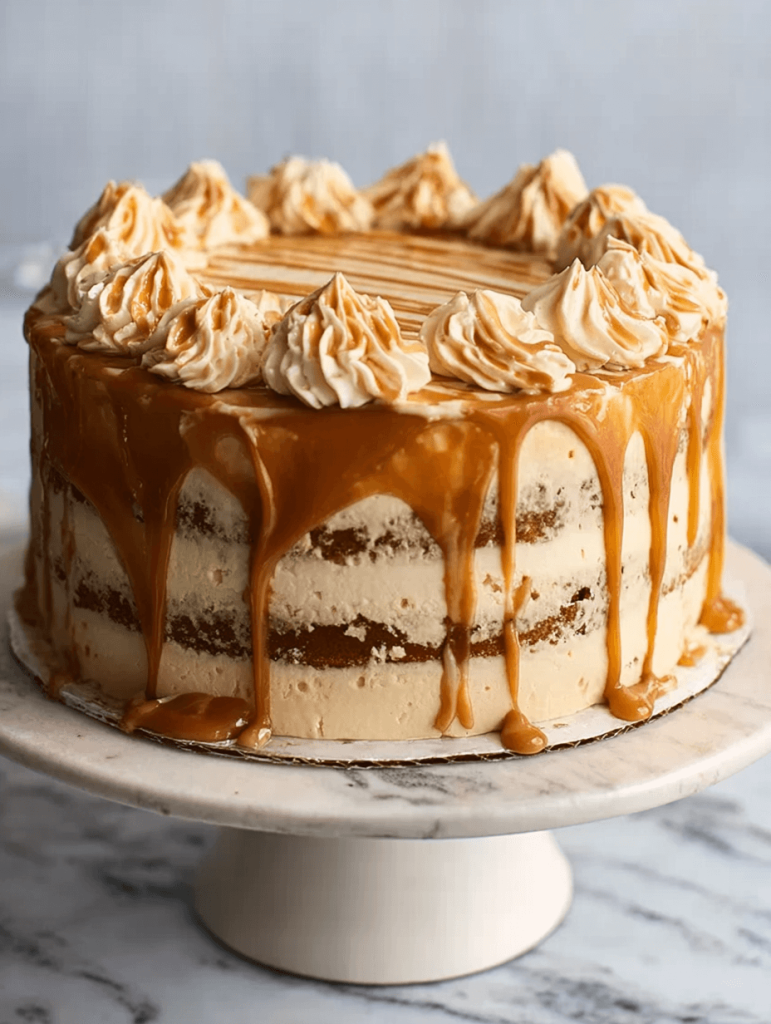
If you’ve been searching for the perfect show-stopping dessert that combines simplicity with incredible flavor, this salted caramel poke cake is your answer. The unique “poke” technique allows homemade salted caramel sauce to seep deep into the tender cake layers, creating pockets of rich, buttery sweetness in every single bite. Topped with luxurious cream cheese caramel frosting and finished with an elegant caramel drizzle, this cake delivers bakery-quality results right from your home kitchen.
Table of Contents
What Makes This Salted Caramel Poke Cake Special
Poke cakes have taken the dessert world by storm, and for good reason. Unlike traditional layer cakes, poke cakes are infused with flavor throughout, not just between layers. This salted caramel version elevates the concept to new heights by combining three distinct caramel components: the soaking sauce, the frosting, and the decorative drizzle. The balance of sweet and salty creates an addictive flavor profile that keeps everyone coming back for more.
The texture is equally impressive. The moist, fluffy vanilla cake base provides the perfect canvas for the silky caramel sauce. Using an electric mixer ensures your butter and sugar cream to perfect fluffiness, which is essential for achieving that cloud-like crumb. The cream cheese frosting adds tanginess that cuts through the sweetness, creating a perfectly balanced dessert.
Essential Equipment for Perfect Results
| Equipment | Purpose | Why It Matters |
|---|---|---|
| Electric mixer | Creaming butter and sugar | Creates proper aeration for fluffy texture |
| Mixing bowls | Combining ingredients | Multiple sizes needed for different components |
| Baking sheets | Supporting cake pans | Prevents spills and ensures even baking |
| Pots | Making caramel sauce | Heavy-bottom essential for even heat distribution |
| Measuring cups and spoons set | Precise measurements | Accuracy crucial for caramel success |
| Kitchen utensils | Mixing and spreading | Silicone spatulas ideal for caramel work |
Complete Ingredient Breakdown
For the Cake Base
| Ingredient | Quantity | Notes |
|---|---|---|
| Unsalted butter | 110g | Must be softened to room temperature |
| Caster sugar | 225g | Creates fine, even texture |
| Dark brown sugar | 150g (firm) | Adds moisture and depth |
| Eggs | 3 large | Room temperature for best incorporation |
| Vanilla extract | 1 tsp | Pure vanilla recommended |
| Plain flour | 240g | All-purpose flour works perfectly |
| Baking powder | 1 tsp | Ensures proper rise |
| Milk | 240ml | Whole milk for richness |
For the Salted Caramel Sauce
| Ingredient | Quantity | Notes |
|---|---|---|
| Granulated sugar | 200g | White sugar caramelizes best |
| Butter | 90g | Cubed and softened |
| Double cream | 120ml | Must be room temperature |
| Sea salt flakes | 1 tbsp | Crushed, adjust to taste |
For the Cream Cheese Caramel Icing
| Ingredient | Quantity | Notes |
|---|---|---|
| Butter | 75g | Softened |
| Icing sugar | 250g | Sifted for smooth texture |
| Cream cheese | 225g | Full-fat for best results |
| Salted caramel sauce | 100g | From the batch you made |
Step-by-Step Instructions
Step 1: Prepare and Bake the Cake Layers
Preheat your oven to 180°C (160°C fan/gas mark 4). Line two 20cm sandwich cake tins with parchment paper. Using your electric mixer, cream the softened butter with both the caster sugar and dark brown sugar until the mixture becomes light, fluffy, and pale in color this should take 3-4 minutes on medium speed.
Add the eggs one at a time, beating well after each addition. The mixture should look really aerated and almost mousse-like. If you notice any signs of splitting, add a tablespoon of your measured flour to bring it back together. Mix in the vanilla extract thoroughly.
Combine the flour and baking powder in a separate bowl. Add this to your butter mixture in three additions, alternating with the milk, beginning and ending with the flour. Use your mixing bowls to keep everything organized. Mix just until combined overmixing can create a tough cake.
Divide the batter evenly between your two prepared tins. Bake for 25-30 minutes, or until the tops are golden brown and a skewer inserted into the center comes out clean. Let the cakes cool in their tins for 10 minutes, then carefully flip onto a wire cooling rack and peel off the parchment paper. Allow to cool completely before proceeding.
Step 2: Create the Salted Caramel Sauce
This is where the magic happens. Place the granulated sugar in a medium pot over low to medium heat. Here’s the crucial part: resist the urge to stir. As the sugar begins to melt around the edges, gently swirl the pan to distribute the heat evenly. Continue cooking without stirring until the sugar turns a beautiful amber color this typically takes 5-6 minutes.
Remove the pan from heat immediately and add all the butter. The mixture will bubble vigorously this is normal. Let the butter melt completely before stirring. Slowly pour in the double cream (it will bubble again), then add the crushed sea salt flakes. Return the pan to gentle heat and stir until you have a smooth, glossy sauce. Pour into a heatproof jug and let it cool to room temperature. This step is essential hot caramel will make your cake soggy rather than beautifully soaked.
Step 3: Make the Cream Cheese Caramel Icing
In a clean bowl with your electric mixer, beat the butter until it’s light and creamy. Gradually add half of the sifted icing sugar in small portions, beating well between each addition until the mixture is fluffy. Add the cream cheese and 100g of your cooled salted caramel sauce, then add the remaining icing sugar. Whisk everything together until the frosting is pale, smooth, and holds soft peaks. Refrigerate until you’re ready to assemble the cake.
Step 4: Poke and Soak the Cake Layers
Transfer your completely cooled cake layers to a flat surface. Using a large skewer or thick straw, poke holes all across the top of each cake layer, spacing them about 2cm apart. Be careful not to poke all the way through to the bottom you want to create deep pockets without puncturing completely.
Reserve about 3 tablespoons of caramel sauce for the final decoration. Slowly drizzle the remaining caramel sauce over both cake layers, focusing on the holes. The caramel will sink in gradually you can add more as it absorbs. Use your kitchen utensils to spread any excess caramel across the surface. Let the layers sit for at least 15 minutes to fully absorb the caramel.
Step 5: Assemble and Decorate
Carefully place one caramel-soaked layer onto your serving plate. Spread half of the cream cheese frosting evenly across the top. Place the second layer on top and cover with the remaining frosting. For the signature marbled effect, drizzle the reserved caramel sauce over the top and use a toothpick or skewer to swirl it into the frosting, creating beautiful patterns.
Pro Tips for Perfect Poke Cake Success
Temperature Matters: All dairy ingredients should be at room temperature. Cold eggs won’t incorporate well, and cold cream will cause your caramel to seize.
Don’t Rush the Caramel: Making caramel requires patience. If your sugar burns, you’ll need to start over. Keep the heat moderate and watch it carefully.
Poke Pattern: Create a systematic grid of holes about 2cm apart. More holes mean more caramel pockets, but too many can make the cake structurally weak.
Caramel Consistency: If your caramel sauce is too thick, gently rewarm it with a splash of cream. If it’s too thin, let it cool longer it will thicken as it cools.
Storage: This cake actually improves overnight as the caramel continues to permeate the cake. Store covered in the refrigerator for up to 4 days.
Frequently Asked Questions
Can I make this cake ahead of time?
Absolutely! This cake is perfect for advance preparation. Bake the layers up to 2 days ahead and store wrapped in plastic wrap. Make the caramel sauce up to a week in advance and refrigerate. Assemble the cake up to 24 hours before serving the flavors actually deepen and improve.
Can I use store-bought caramel sauce?
While homemade caramel provides superior flavor, you can substitute with high-quality store-bought salted caramel in a pinch. You’ll need about 350ml total for both soaking and frosting.
Why did my caramel crystallize?
Crystallization happens when sugar crystals form during cooking. To prevent this, make sure your pan is completely clean, avoid stirring the sugar, and consider adding a tablespoon of corn syrup or lemon juice to the sugar before heating.
Can I freeze this cake?
Yes, but freeze the unfrosted, un-soaked layers individually wrapped in plastic wrap and foil for up to 3 months. Thaw, then proceed with poking and soaking before serving. Don’t freeze the assembled cake as the texture may become soggy.
How do I know when my caramel is the right color?
Look for a deep amber color similar to an old penny. It should smell nutty and sweet, not burnt. If you see any black spots or smell burning, start over.
Can I make this into cupcakes?
Yes! Divide the batter into cupcake liners and bake for 18-20 minutes. Poke and fill each cupcake individually with caramel, then top with frosting.
Equipment List
Before you begin, make sure you have these essential tools for the best results:
- Electric mixer – For perfectly creamed butter and sugar
- Mixing bowls – Multiple sizes for different components
- Baking sheets – To catch any drips and ensure even baking
- Pots – Heavy-bottom for caramel making
- Measuring cups and spoons set – Precision is key
- Kitchen utensils – Silicone spatulas work best
- Oven – Properly calibrated for even baking
If you found this recipe helpful, feel free to check out the kitchen equipment . Click on any url to view and purchase the product through our Amazon affiliate links at no extra cost to you. Your support helps us keep Deliciousavors.com running and bringing you great recipes!